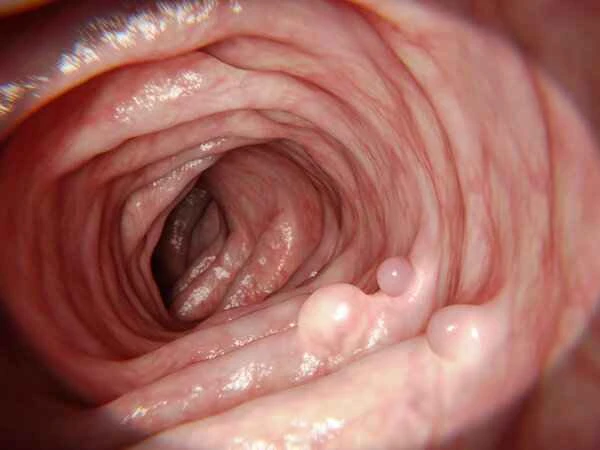
Intestinal polyps in children can lead to anemia because their presence can affect the absorption of nutrients in the intestines. Intestinal polyps are abnormal tissues that grow on the inner wall of the intestines; they can be benign, but sometimes they can impair normal digestive function.
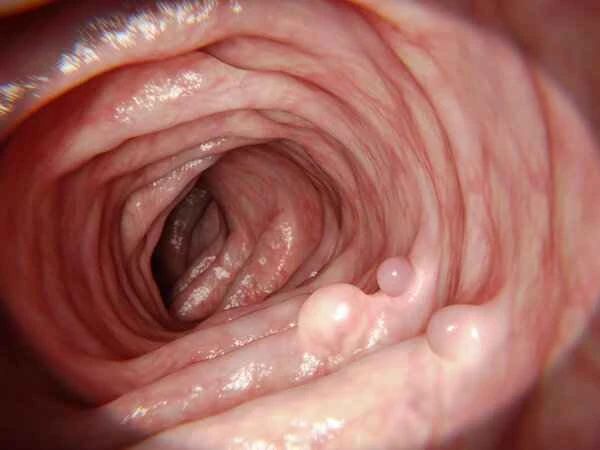
The main mechanism by which intestinal polyps cause anemia is that the presence of polyps can lead to intestinal bleeding. This bleeding is usually chronic and minor, and easily goes unnoticed. However, long-term, minute bleeding can cause the loss of iron in the body, which in turn affects the production of red blood cells, ultimately leading to anemia. Intestinal polyps may also affect the absorption of iron and other essential nutrients for hematopoiesis in the intestines, further exacerbating the anemia.
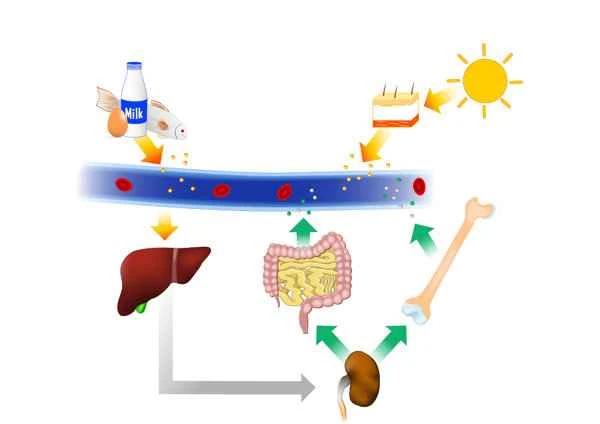
When managing anemia caused by intestinal polyps in children, parents and doctors need to consider several factors, including the size, location, and number of polyps, as well as the presence of chronic bleeding. Treatment typically involves endoscopic polypectomy to reduce the risk of bleeding, and may require iron supplementation or other nutrients to correct the anemia. There are also certain risks involved in treatment, including surgical complications, bleeding risks, and potential side effects from inadequate nutritional supplementation.

[Management Tip:]
1. Regular endoscopic examinations should be performed to monitor the growth of polyps.
2. Adjust your diet and increase your intake of foods rich in iron and vitamins.
3. If you experience persistent fatigue, paleness, or other symptoms, you should seek medical attention promptly.