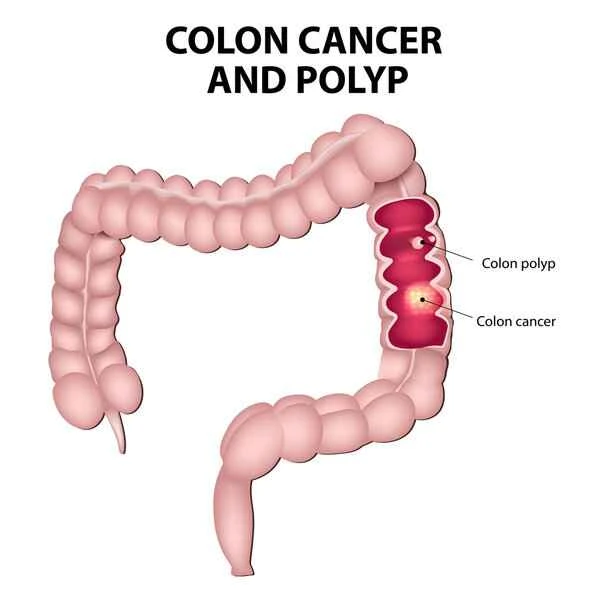
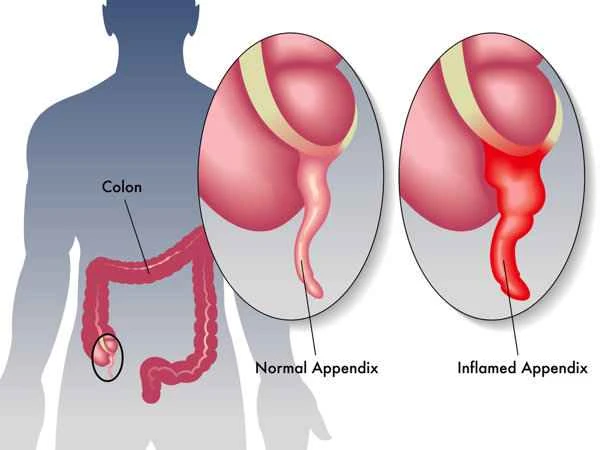
Intestinal polyps are abnormal growths of tissue that form on the inner wall of the intestine. They can be benign or precancerous lesions. The frequent occurrence of intestinal polyps may be related to a variety of factors, including genetics, dietary habits, and chronic inflammation. Understanding these factors can help in the better prevention and management of intestinal polyps.
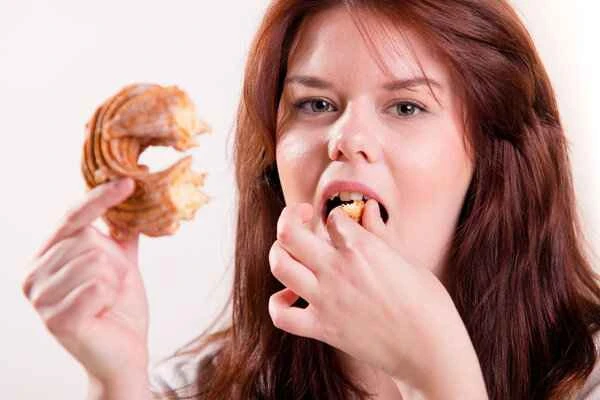
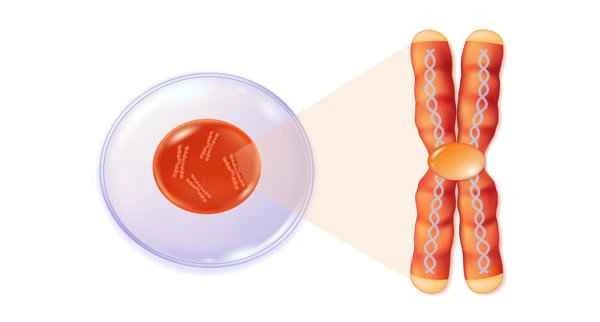
The formation of intestinal polyps may be closely related to genetic factors. If there is a family history of intestinal polyps or colon cancer, the individual's risk of developing intestinal polyps will increase accordingly. Dietary habits are also an important factor influencing intestinal polyp formation. A diet high in fat and protein and low in fiber may increase the incidence of intestinal polyps. Long-term chronic inflammation, such as ulcerative colitis or Crohn's disease, may also lead to frequent occurrences of intestinal polyps. Age is also an important factor; the incidence of intestinal polyps increases with age.
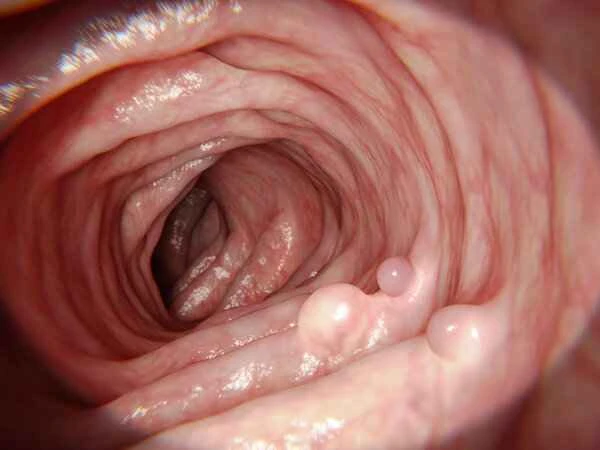
While some accompanying symptoms such as abdominal pain, constipation, or diarrhea may indicate the presence of intestinal polyps, these symptoms can also be related to other health problems. If you experience persistent abdominal pain, changes in bowel habits, or rectal bleeding, you should seek medical attention for a professional examination. The frequent appearance of intestinal polyps does not necessarily mean cancer, but regular colonoscopies to monitor changes in the polyps are very important. Avoid self-diagnosis and seek advice from a professional doctor.
[Prevention Tips:]
1. Maintain a balanced diet, increase dietary fiber intake, and reduce the intake of high-fat and high-protein foods.
2. Have regular physical examinations, especially for people with a family history of the disease, who should have regular colonoscopies.
3. Maintain adequate physical activity and avoid prolonged sitting.
4. Quit smoking and limit alcohol consumption to reduce the impact of unhealthy lifestyle habits on gut health.