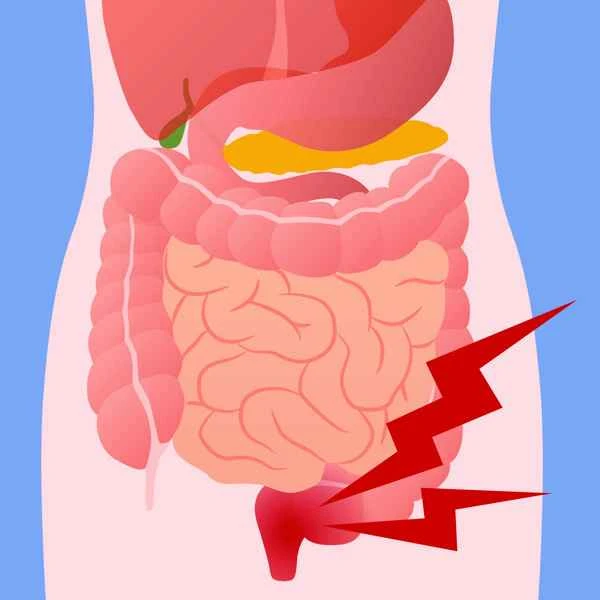
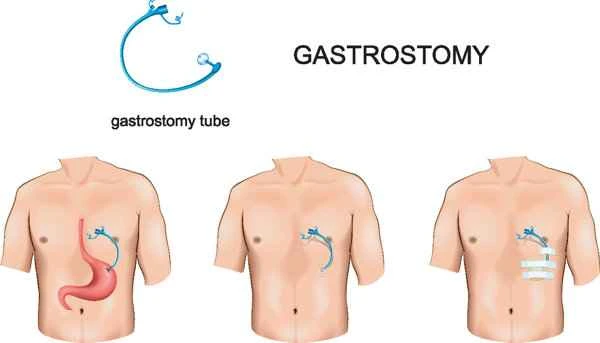
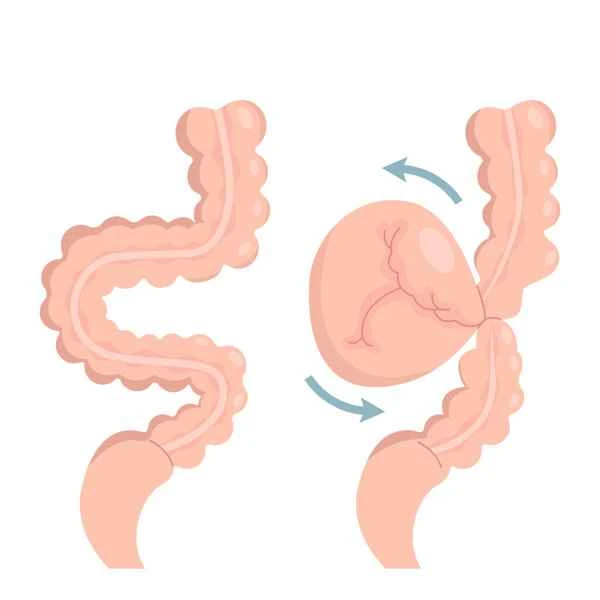
Postoperative care after radical sigmoid colon cancer resection refers to a series of nursing measures implemented after surgery to promote recovery and prevent complications. Postoperative care is a crucial aspect of ensuring surgical outcomes and patient recovery, encompassing multiple areas such as dietary adjustments, medication management, wound care, and regular medical checkups.
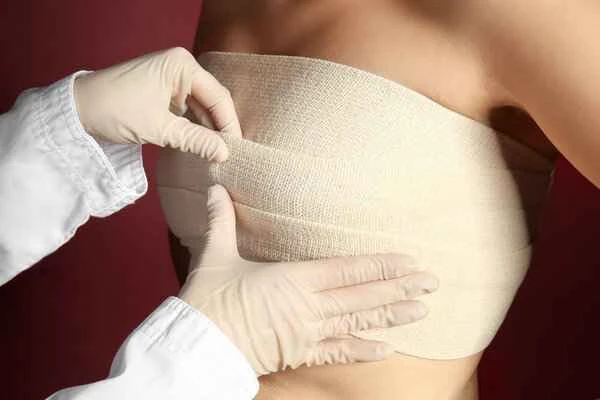
The core principles of postoperative care are maintaining the patient's nutritional status, promoting wound healing, preventing infection, and monitoring recovery through regular medical checkups. Diet-wise, patients need to gradually transition from liquid to soft foods, eventually resuming a normal diet; this process needs to be adjusted according to the patient's specific recovery progress. Medication management may require painkillers, antibiotics, and medications to promote bowel function recovery. Wound care includes keeping the wound dry and clean, observing wound healing, and preventing infection. Regular medical checkups are crucial for monitoring postoperative recovery, allowing for the timely detection and management of any potential complications.
In addition to the above-mentioned nursing measures, patients also need to avoid some common misconceptions. For example, some patients may think that resuming a normal diet immediately after surgery is a good thing, but in reality, resuming a normal diet too early may increase the burden on the gastrointestinal tract and affect wound healing. Some patients may neglect the importance of regular check-ups, thinking that everything is fine after a successful surgery. This idea may lead to potential problems being overlooked, thus affecting the recovery outcome. Postoperative care not only requires following the doctor's instructions, but also requires patients to have a certain degree of self-management ability to ensure a smooth recovery process.
[Management Tips]
1. In the early postoperative period, follow your doctor's instructions and gradually transition from liquid foods to soft foods, and then gradually resume a normal diet.
2. Regular check-ups are necessary to monitor recovery progress, and medical attention should be sought immediately if any abnormalities are detected.
3. Pay attention to personal hygiene, keep the wound dry and clean, and prevent infection.
4. Take medications as prescribed by your doctor, including painkillers, antibiotics, and medications that promote bowel function recovery.