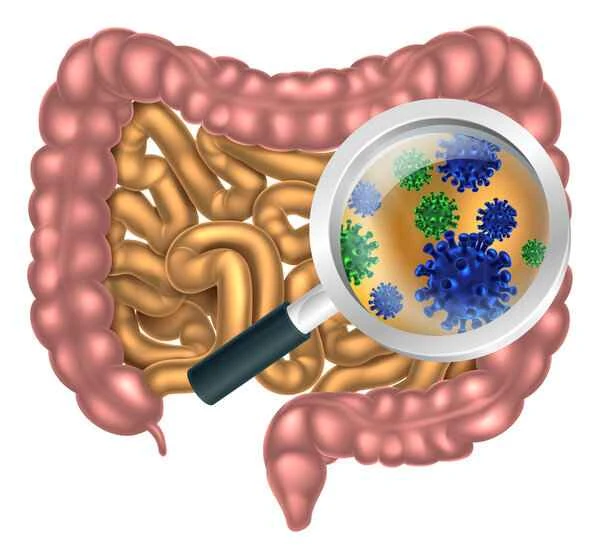
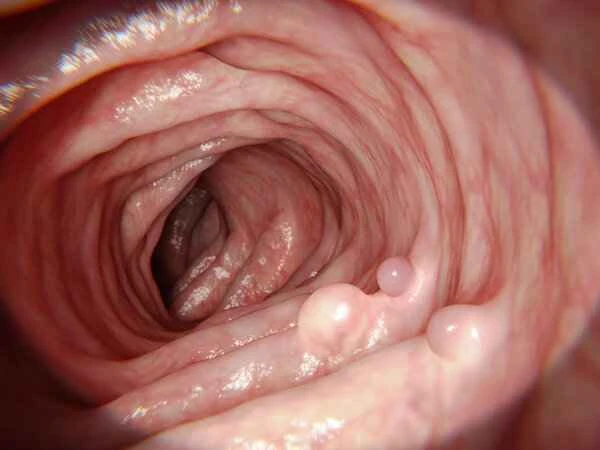
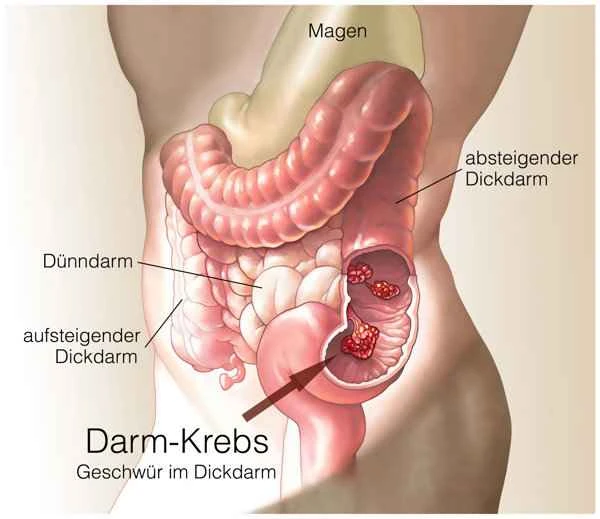
Whether acute colitis can develop into colorectal cancer is not a definitive answer, but depends on a variety of factors. Acute colitis refers to a sudden inflammation of the colon, usually caused by infection, an autoimmune reaction, or certain medications. Colorectal cancer, on the other hand, is a more serious disease, closely related to chronic inflammation, genetic factors, and dietary habits. While acute colitis itself does not directly cause colorectal cancer, long-term, recurrent colitis may increase the risk of developing colorectal cancer. For patients with acute colitis, timely treatment and prevention of recurrence are crucial.
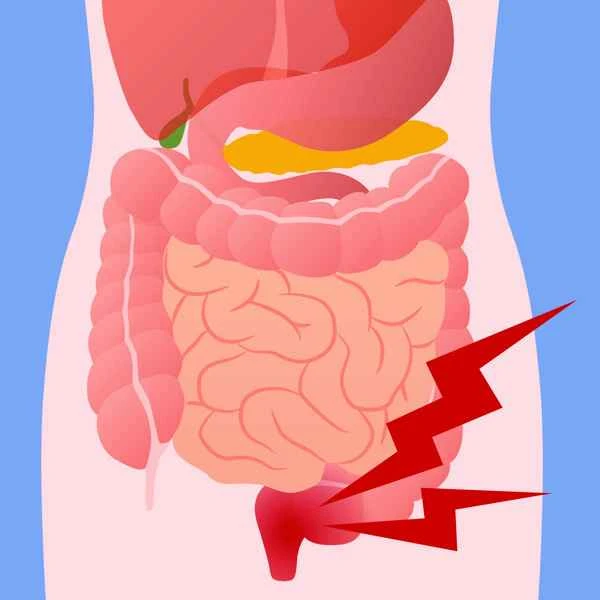
The transformation of acute colitis into colorectal cancer is not instantaneous, but rather a process involving prolonged chronic inflammation that eventually leads to cell mutations and the formation of malignant tumors. Long-term chronic inflammation irritates the colonic mucosa, potentially causing DNA damage to cells, which in turn triggers abnormal cell proliferation and may ultimately develop into colorectal cancer. Genetic factors, dietary habits (such as high-fat, low-fiber diets), and obesity are also risk factors for colorectal cancer. For patients with acute colitis, active treatment and prevention of recurrence, along with lifestyle modifications, can effectively reduce the risk of colorectal cancer.
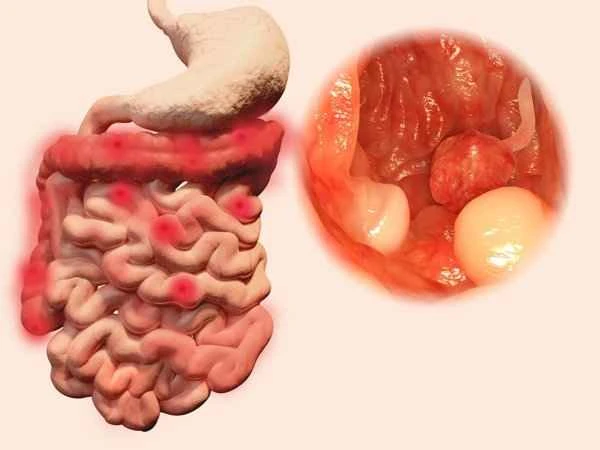
When treating acute colitis, in addition to focusing on the direct treatment of the disease, it is also necessary to be aware of some potential risks and misconceptions. Treatment of acute colitis cannot rely solely on antibiotics, as not all cases are caused by bacterial infections. Patients may experience drug side effects during treatment; for example, antibiotics may cause intestinal flora imbalance, thus affecting treatment efficacy. Finally, patients may experience psychological stress during treatment, such as anxiety and depression, which can all affect recovery. Therefore, treating acute colitis requires a comprehensive consideration of multiple factors to achieve the best treatment outcome.
[Management Tip:]
1. Have regular colonoscopies to monitor the health of your colon.
2. Adjust your diet, increase your intake of dietary fiber, and reduce your intake of high-fat foods.
3. Maintain regular lifestyle habits and avoid prolonged mental stress.