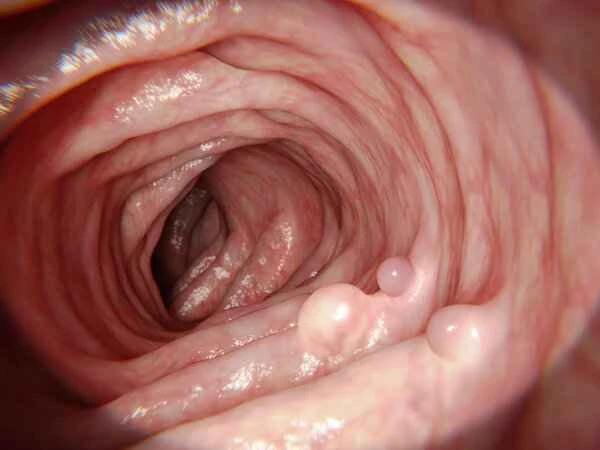
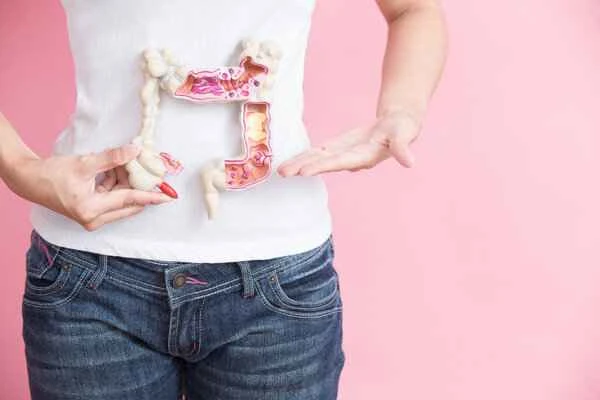
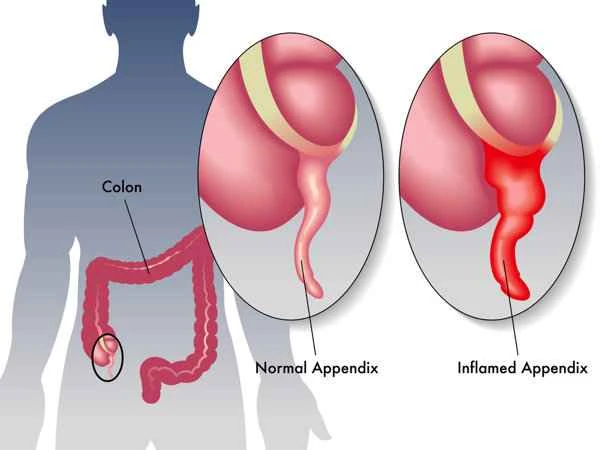
Titanium clips left in the intestines refer to clips left in the intestines as a fixation tool after certain surgeries. This situation can lead to a range of health problems and affect the patient's quality of life. Titanium clips in the intestines may cause local inflammation, pain, and bowel dysfunction.
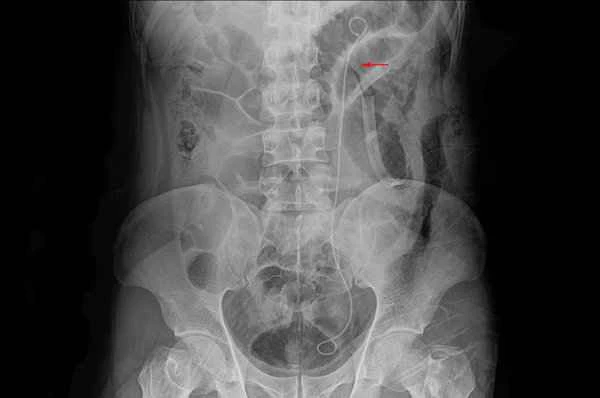
Titanium clips left in the intestines can cause discomfort and pain, especially in specific areas of the abdomen. The pain may worsen after meals because food may rub against the clips as it passes through the intestines. If the clips are close to the intestinal mucosa, they may trigger a local inflammatory response, leading to redness and swelling of the intestinal wall and increased secretions. In severe cases, the clips may compress the intestinal wall, affecting normal intestinal motility and potentially causing intestinal obstruction, which impairs the normal digestion and absorption of food. Symptoms of intestinal obstruction may include bloating, vomiting, and constipation.
For patients experiencing problems with titanium clips lodged in the intestines, it's crucial to seek immediate medical attention if they experience severe abdominal pain, persistent vomiting, inability to defecate or pass gas, or other symptoms. These could be signs of intestinal obstruction and require prompt treatment to prevent more serious complications. Simultaneously, patients should not ignore minor discomfort or pain, as these symptoms may be early warning signs of inflammation or other issues. Avoiding self-diagnosis and seeking evaluation and advice from a professional physician is essential.

[Prevention Tips]
1. Have regular abdominal checkups, especially during the recovery period after surgery.
2. Pay attention to your eating habits and avoid eating foods that are too hard or difficult to digest.
3. If persistent abdominal pain or other abnormal symptoms occur, seek medical attention promptly.