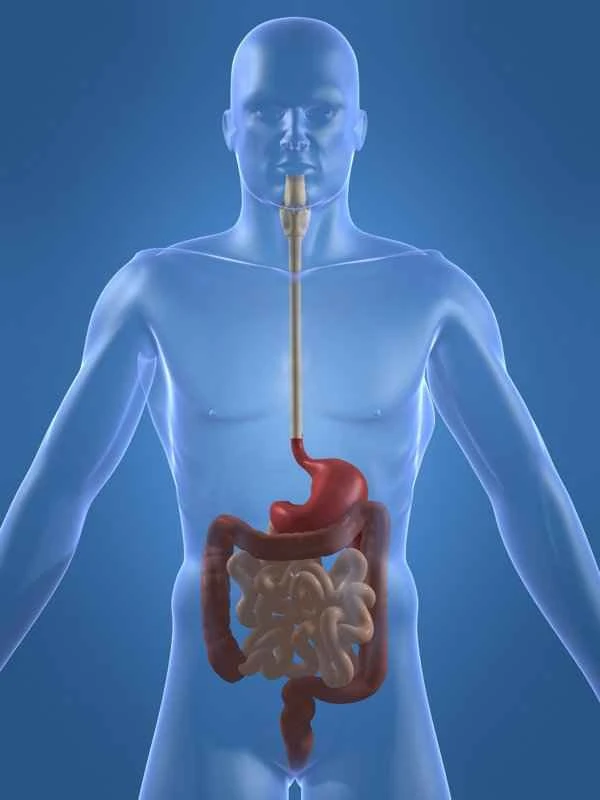
Colonic obstruction is a type of gastrointestinal obstruction. Its importance lies in the fact that colonic obstruction occurs when the lumen of the colon is blocked, preventing the normal passage of stool and potentially causing symptoms such as abdominal pain, bloating, and constipation. In severe cases, it can even be life-threatening. Understanding and identifying the types of colonic obstruction is crucial for timely diagnosis and treatment.

Colonic obstruction usually occurs because factors inside or outside the colon obstruct the colonic lumen. Internal factors include tumors, polyps, and inflammation, while external factors may include intestinal adhesions and hernias. When the colonic lumen is obstructed, gas and fluid in the intestines cannot pass through smoothly, leading to increased pressure within the colon and thus causing obstructive symptoms. This obstruction can be complete, meaning the passage of the intestines is completely blocked, or incomplete, meaning the passage of the intestines is partially blocked.
When faced with a diagnosis of colonic obstruction, it's crucial to understand the specific meaning of the test results and follow the doctor's advice for appropriate treatment. For example, X-ray or CT scan results can help doctors determine the location and extent of the obstruction, but interpreting these results requires specialized knowledge. Patients should view these test results objectively and be wary of potential misdiagnosis or treatment delays. In managing colonic obstruction, the most important thing is to follow the guidance of a professional doctor and avoid self-medication or unproven treatments.
【Useful Tips:】
1. Carefully observe and record symptoms such as abdominal pain, bloating, and constipation so that you can provide detailed information to your doctor.
2. Follow your doctor's instructions to undergo necessary imaging examinations, such as X-rays or CT scans, to help determine the specific location and extent of the obstruction.
3. During treatment, maintain good eating habits and avoid high-fiber foods to prevent worsening of the obstruction.
4. Regular follow-up examinations and timely feedback on treatment effectiveness are necessary to ensure the effectiveness of the treatment plan.