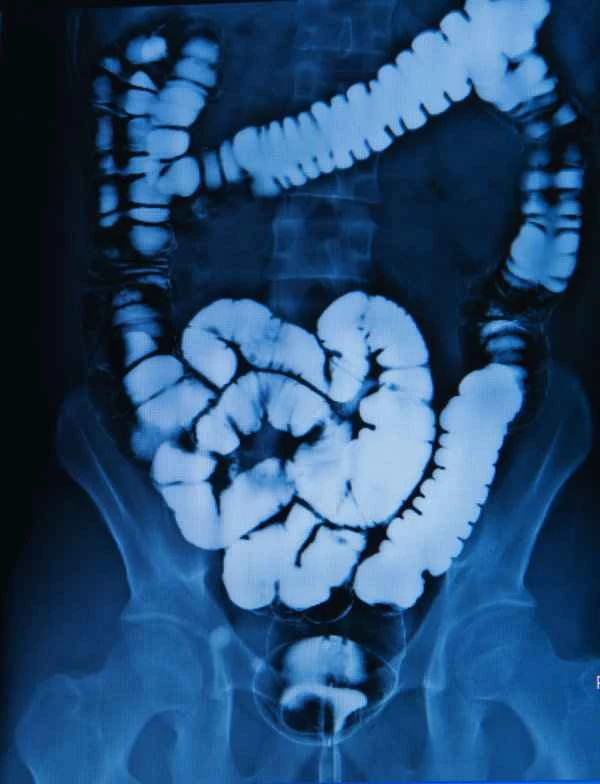
Intestinal perforation is a serious medical emergency that usually does not last a lifetime. It occurs when the intestinal wall breaks, causing intestinal contents to leak into the abdominal cavity, potentially leading to serious complications such as infection and peritonitis. With timely and appropriate treatment, most patients can fully recover without long-term effects.
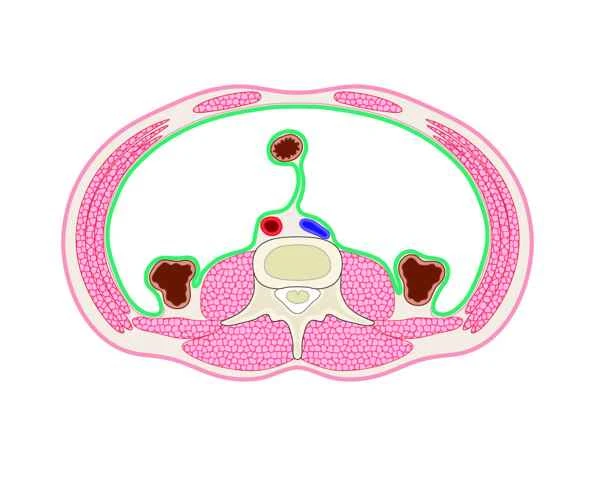
Treatment for intestinal perforation typically involves surgical repair and antibiotic therapy. The purpose of surgery is to remove the source of infection from the abdominal cavity, repair the damaged intestine, and prevent further complications. Antibiotic therapy is used to control the infection and prevent the spread of bacteria. After successful surgery, the patient's bowel function usually returns to normal without long-term sequelae. The recovery from intestinal perforation is influenced by various factors, including the size and location of the perforation, the patient's overall health, and the timeliness of treatment. Delayed or inadequate treatment can lead to serious complications and even be life-threatening.
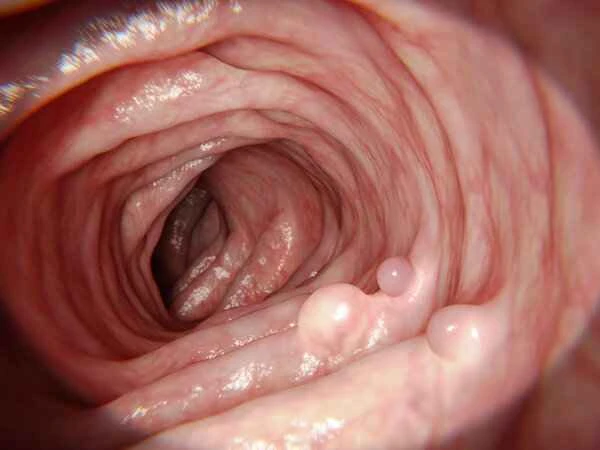
During the treatment of intestinal perforation, patients may face some risks and misconceptions. Treatment for intestinal perforation is not a quick fix; patients need a recovery period after surgery, during which their physical condition needs close monitoring, and they must follow their doctor's instructions regarding diet and activity restrictions. Some patients may misunderstand the postoperative recovery process, believing they can immediately return to normal life after surgery. This misconception can lead to postoperative complications. Finally, the treatment of intestinal perforation may require multiple surgeries and long-term medical follow-up. Patients and their families need to be psychologically prepared and actively cooperate with the doctor's treatment plan.
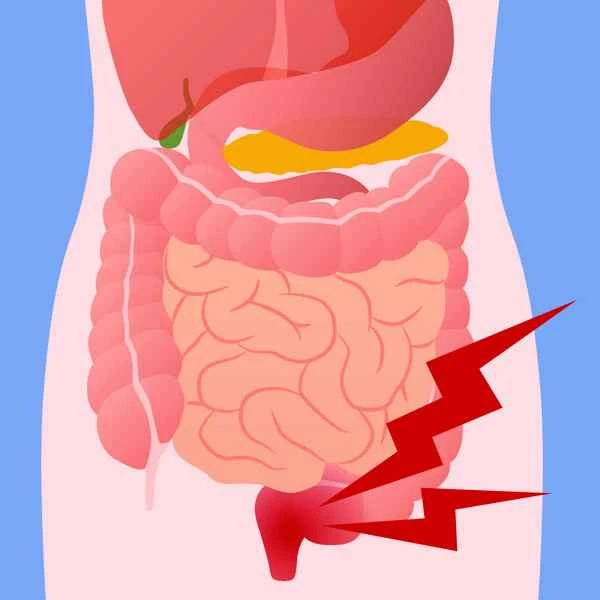
[Management Tips]
1. Regular follow-up examinations after surgery to monitor the body's recovery.
2. Follow your doctor's advice, arrange your diet and activities reasonably, and avoid overexertion.
3. If symptoms such as fever, abdominal pain, or nausea occur, seek medical attention promptly.