Mid-to-late stage gastric cancer refers to a serious disease in which gastric cancer is not detected in its early stages or treatment is delayed, leading to the spread of cancer cells to other parts of the stomach or metastasizing to other organs of the body.

Mid-to-late stage gastric cancer is important because it not only signifies a considerably advanced stage of the disease but also indicates greater difficulty in treatment and a worse prognosis. Understanding mid-to-late stage gastric cancer can help us better prevent and detect it early, thereby improving treatment outcomes and survival rates.
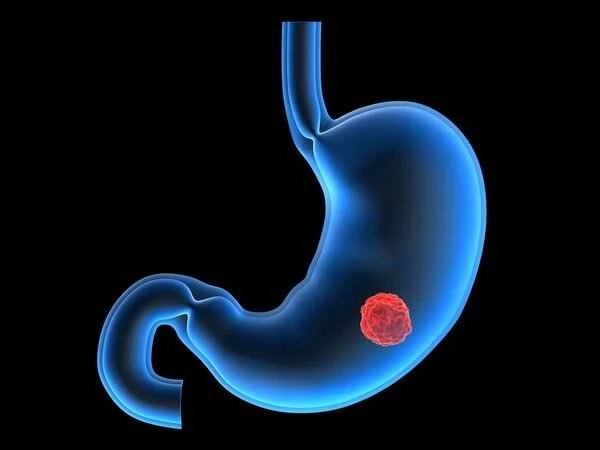
The characteristic of mid-to-late stage gastric cancer is that cancer cells have broken through the innermost layer of the stomach wall and spread to other layers of the stomach wall, and may even metastasize to distant organs such as the liver and lungs. Treatment for this stage of gastric cancer typically includes surgical resection, chemotherapy, and radiotherapy, but even so, the treatment outcomes are often not as good as for early-stage gastric cancer. The speed of progression and the extent of spread of gastric cancer determine the complexity and challenge of treatment.
After understanding mid-to-late stage gastric cancer, we need to learn how to objectively interpret examination results and treatment recommendations. For example, gastroscopy and pathological biopsy are important tools for diagnosing gastric cancer, but they only provide information about the condition at a specific point in time. The choice of treatment plan requires comprehensive consideration of factors such as the patient's overall health, the location and size of the tumor, and whether there is distant metastasis. When faced with examination results and treatment recommendations, the most important thing is to maintain good communication with your doctor, ensure you understand the advantages and disadvantages of the treatment plan, and follow your doctor's professional guidance.
【Useful Tips】
1. Have regular stomach health checkups, especially for people with a history of stomach disease or a family history of stomach cancer.
2. Pay attention to a healthy diet, avoid high-salt and pickled foods, and reduce the risk of stomach cancer.
3. If you experience symptoms such as stomach pain, indigestion, or weight loss, you should seek medical attention promptly.
4. Maintain a positive attitude, cooperate with the doctor's treatment, and improve the treatment effect and quality of life.