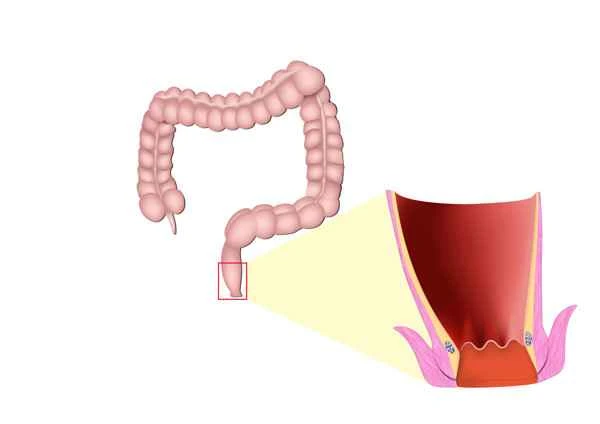
Intestinal polyps and ulcers are a condition that requires timely treatment, involving damage and inflammation of the intestinal mucosa. The primary task in treating intestinal polyps and ulcers is to determine the cause and implement appropriate treatment measures to relieve symptoms, promote healing, and prevent further deterioration.
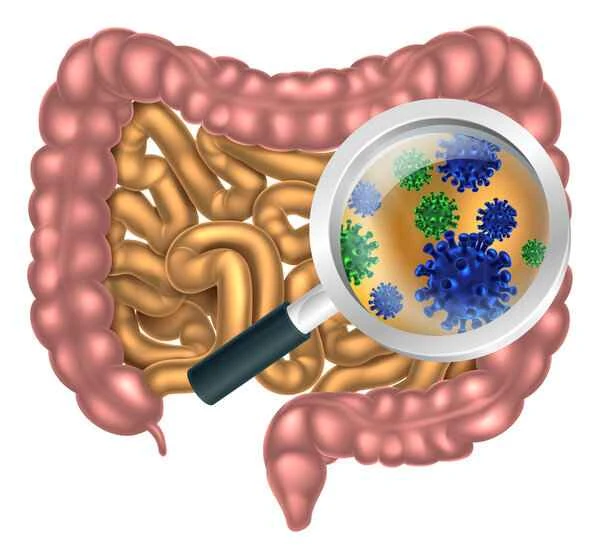
Treatment for intestinal polyps and ulcers typically involves both medication and lifestyle modifications. Medication primarily relies on anti-inflammatory drugs, pain relievers, and possibly antibiotics to control inflammation, reduce pain, and prevent infection. Doctors may recommend specific medications to promote ulcer healing, such as proton pump inhibitors (PPIs), which reduce stomach acid secretion, thereby relieving pressure on the ulcer site and promoting healing. Lifestyle modifications include following a low-fiber diet, avoiding irritating foods such as spicy foods and alcohol to minimize irritation to the ulcer site, and ensuring adequate rest and avoiding overexertion to aid recovery.
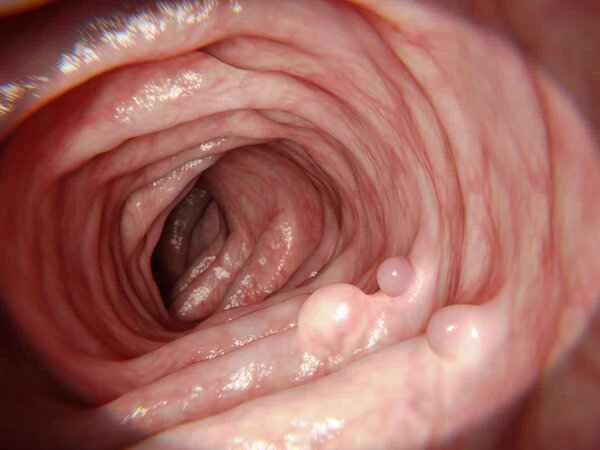
Treatment for intestinal polyps and ulcers may present challenges for patients, such as medication side effects and difficulties adjusting their diet. During treatment, patients need to closely monitor their reactions and maintain close communication with their doctors to adjust the treatment plan promptly. Treating intestinal polyps and ulcers is not a quick fix; it may take some time to see noticeable results. Patients need sufficient patience and confidence, while maintaining a positive attitude towards life, which is also crucial for recovery.
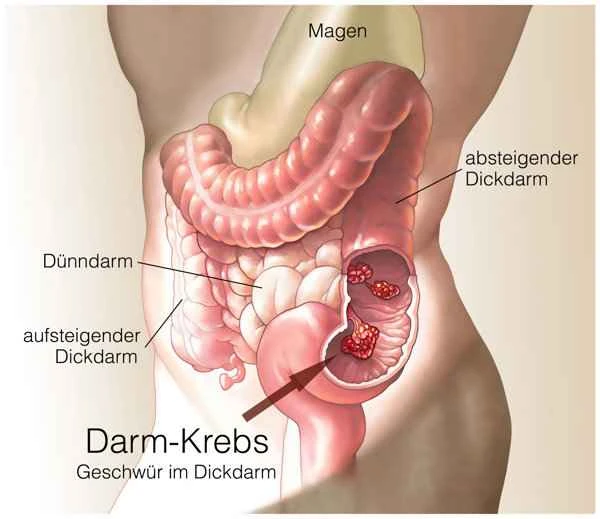
[Management Tip:]
1. Have regular colonoscopies to monitor changes in polyps.
2. Adjust your diet, avoid irritating foods, and reduce irritation to the ulcer site.
3. If you experience persistent abdominal pain, rectal bleeding, or other symptoms, you should seek medical attention promptly.
4. Maintain good lifestyle habits, avoid overwork, and promote physical recovery.