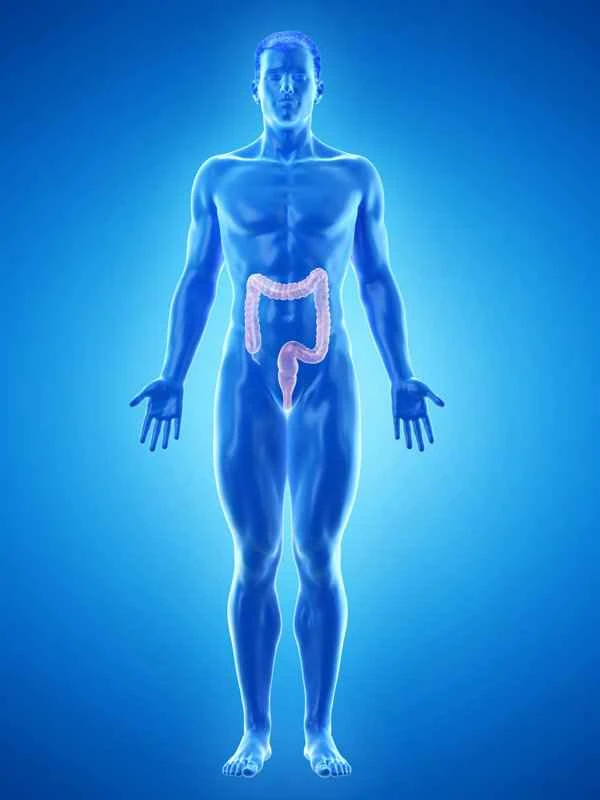
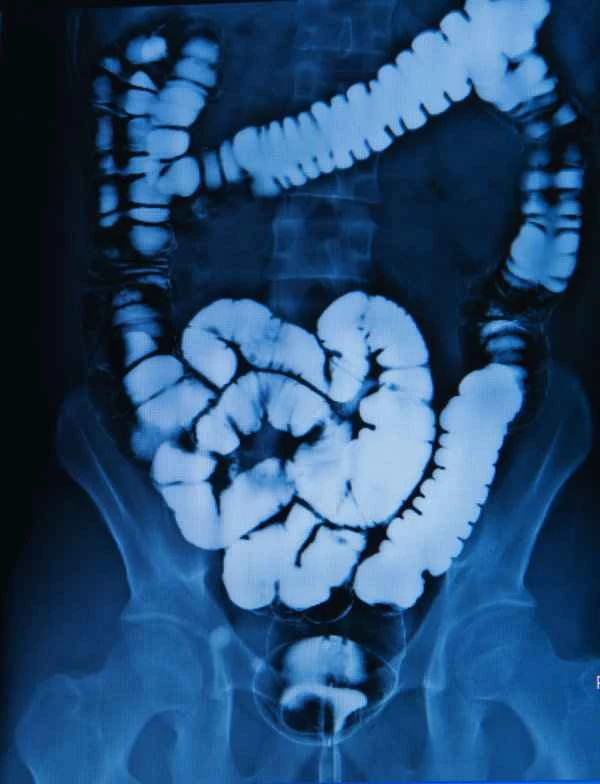
Pain caused by intestinal polyps typically occurs in the abdomen, particularly in the lower and right lower quadrant. This pain may be related to the location and size of the polyp, or whether it is inflamed or obstructing the flow of fluid. The pain may worsen after meals, especially after consuming high-fiber foods, as these foods can irritate the polyp and cause discomfort.
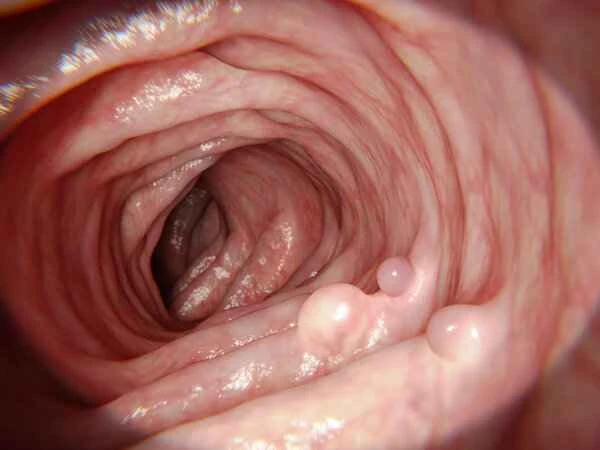
If a polyp is located in a specific part of the large intestine, it may cause changes in bowel habits, such as constipation or diarrhea. Accompanying symptoms may also include bloody stools, which is usually caused by irritation or damage to blood vessels on the surface of the polyp. If the polyp is large or there are many, it may cause abdominal bloating, as well as occasional nausea or vomiting.
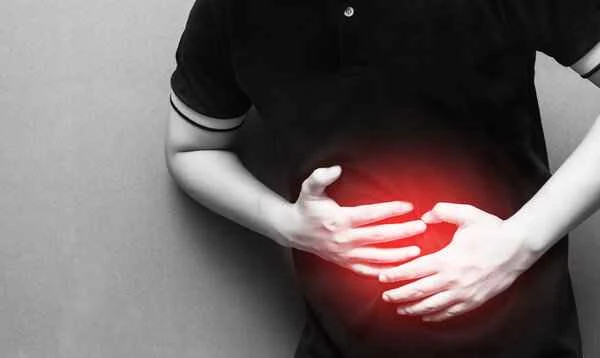
While pain from intestinal polyps is usually mild to moderate, if the pain is severe and persistent, or accompanied by symptoms such as fever or rapid weight loss, you should seek medical attention immediately. These symptoms may indicate complications such as bleeding, perforation, or malignant transformation of the polyp, requiring timely professional evaluation and treatment. At the same time, avoid self-diagnosis, as the variety of symptoms means that a thorough examination and judgment by a professional doctor is necessary.
[Prevention Tips:]
1. Maintain a balanced diet and increase your intake of dietary fiber, such as whole grains, fruits, and vegetables.
2. Have regular physical examinations, especially for people with a family history of the disease, who should have regular colonoscopies.
3. Maintain moderate exercise, avoid prolonged sitting, and promote gut health.
4. Pay attention to personal hygiene, avoid intestinal infections, and reduce the risk of developing polyps.