Intestinal polyps and erosive gastritis are two different digestive system diseases, and their severity depends on a variety of factors.
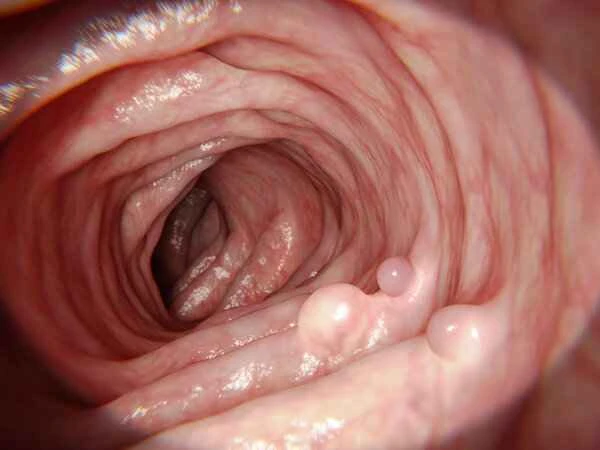
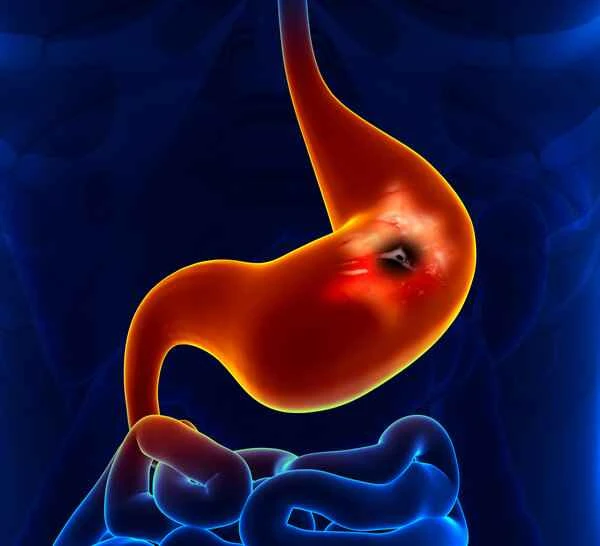
Intestinal polyps refer to abnormal growths of tissue within the intestines, while erosive gastritis refers to inflammation and damage to the gastric mucosa. The severity of these two conditions depends primarily on the size, number, and location of the lesions, as well as the risk of malignancy. Larger or more numerous intestinal polyps may increase the risk of malignancy, while persistent erosive gastritis can lead to further damage to the gastric mucosa and even cause gastric ulcers or gastric cancer. The severity of these two conditions requires comprehensive consideration and cannot be generalized.

Treatment of intestinal polyps and erosive gastritis requires a comprehensive consideration of the patient's specific circumstances, including the nature and extent of the lesions and the patient's overall health. Treatment for intestinal polyps typically includes endoscopic resection and medication, while treatment for erosive gastritis may include medication and dietary adjustments. The effectiveness and prognosis of treatment are influenced by various factors, including the timeliness of treatment, patient adherence, and the presence of complications. Therefore, the treatment of intestinal polyps and erosive gastritis necessitates a personalized treatment plan based on the patient's specific condition, with close monitoring of changes in the condition throughout the treatment process.
[Management Tip:]
1. Have regular gastroscopy examinations to monitor the condition of intestinal polyps and gastric mucosa.
2. Use medications as prescribed by your doctor, such as antacids and gastric mucosal protectants, to relieve symptoms and promote gastric mucosal repair.
3. Adjust your eating habits, avoid irritating foods, and reduce the burden on the gastric mucosa.
4. If you experience persistent abdominal pain, indigestion, or other symptoms, you should seek medical attention promptly so that your treatment plan can be adjusted accordingly.