Difficulty urinating due to colorectal cancer is a symptom caused by the tumor compressing or invading the urinary system. To alleviate this symptom, it's crucial to first determine the stage and location of the colorectal cancer, as this directly impacts the choice of treatment. Treatment for urinary difficulties caused by colorectal cancer typically involves a combination of medication, surgical intervention, and possible radiotherapy or chemotherapy. Medication primarily relieves symptoms using diuretics or muscle relaxants, while surgery may include tumor removal, bowel reconstruction, or urethral reconstruction. These treatments each have their own focus; medication can provide rapid symptom relief, while surgery may offer more lasting effects, but it also carries higher risks and a longer recovery period.
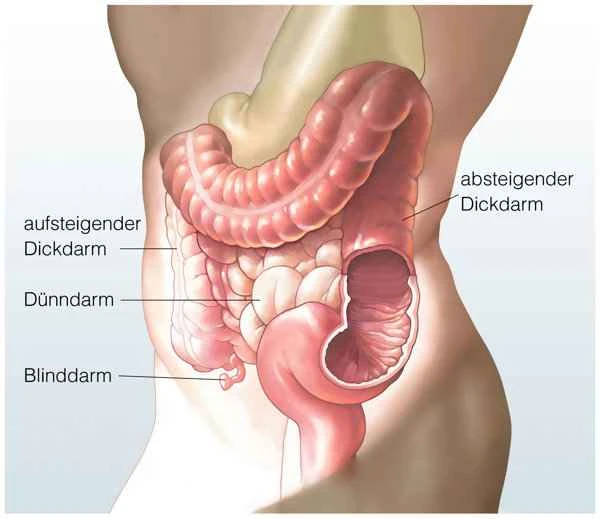
When treating urinary difficulties caused by colorectal cancer, it is necessary to comprehensively consider factors such as the patient's overall condition, the location and size of the tumor, and the patient's own wishes. Complications may also occur during treatment, such as infection, bleeding, or urinary incontinence, which need to be prevented and managed in the treatment plan. When developing a treatment plan, doctors will consider multiple factors based on the patient's specific situation to achieve the best treatment outcome.

[Management Tip:]

1. Regularly monitor tumor markers and urinary tract function.
2. Adjust your diet to avoid constipation worsening urination difficulties.
3. If persistent urinary tract symptoms occur, seek medical attention promptly.