Herceptin is a targeted therapy for HER2-positive gastric cancer patients, and it can significantly improve patient survival rates.

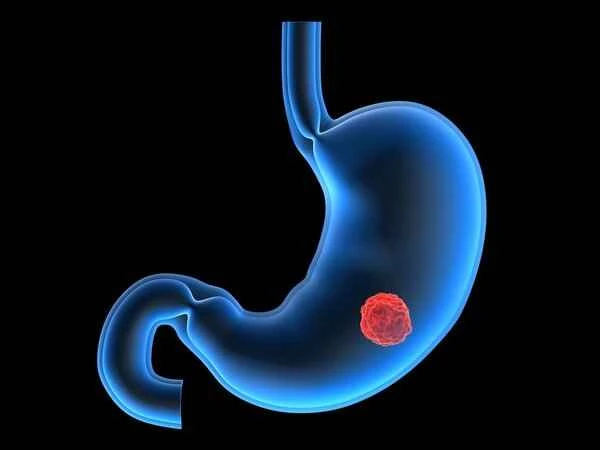
Herceptin, also known as trastuzumab, is a targeted therapy drug specifically for patients with HER2-positive gastric cancer. HER2 is a protein expressed on the cell surface; when overexpressed, it promotes the growth and spread of cancer cells. Herceptin inhibits cancer cell growth by binding to HER2 and blocking its signaling. This drug not only acts directly on cancer cells but also activates the immune system to further eliminate them. Studies have shown that for HER2-positive gastric cancer patients, using Herceptin in combination with chemotherapy can significantly improve survival rates and reduce the risk of recurrence.

Herceptin is not suitable for all gastric cancer patients. Its effectiveness depends on whether the gastric cancer cells overexpress HER2. Before starting treatment, doctors usually test the HER2 status to determine if the patient is a suitable candidate for Herceptin. Although Herceptin has shown significant clinical efficacy, its use also carries certain risks and side effects, such as cardiotoxicity, and should be used cautiously under the guidance of a doctor.

[Management Tips]
1. Regularly monitor HER2 status to determine if Herceptin is a suitable treatment option.
2. During Herceptin use, closely monitor cardiac function and promptly address any potential cardiotoxicity.
3. Maintain close communication with your doctor and provide timely feedback on treatment progress and any discomfort symptoms.