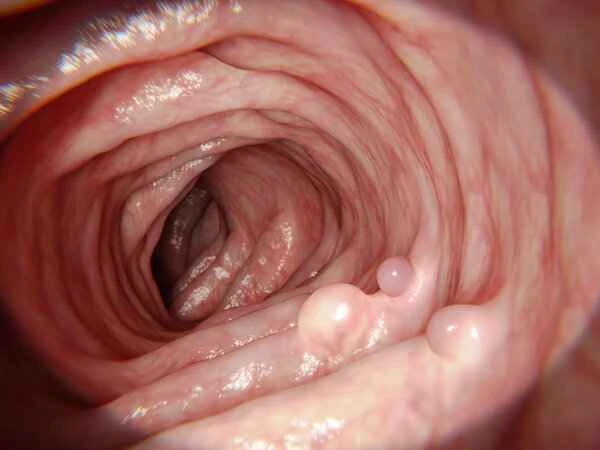
Intestinal polyps are not directly equivalent to a sub-healthy state, but they may be a warning signal from the body, indicating that there may be a sub-healthy state or potential health problems.

Intestinal polyps are abnormal growths on the intestinal mucosa. They do not necessarily indicate a serious disease, but their presence may be related to factors such as diet and lifestyle. Intestinal polyps can be classified into several types, including adenomatous polyps and inflammatory polyps, with adenomatous polyps carrying a certain risk of becoming cancerous. A sub-healthy state typically refers to a condition between health and disease, characterized by various uncomfortable symptoms that do not meet the diagnostic criteria for a disease. The presence of intestinal polyps may indicate poor intestinal health, requiring further examination and intervention to prevent potential health risks.
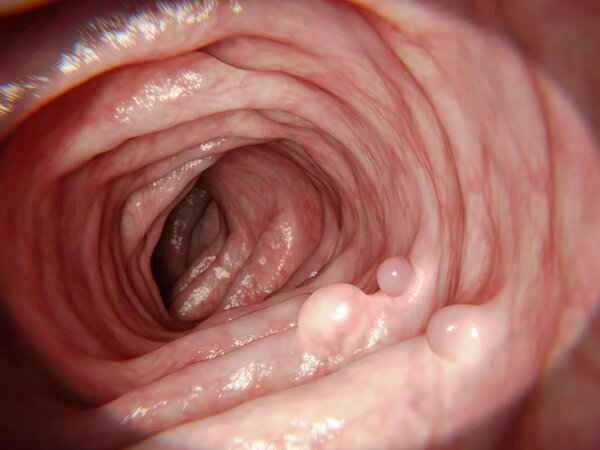
When dealing with intestinal polyps, it's important to recognize that their discovery doesn't always indicate a serious disease, but it is certainly a warning sign. Treatment methods for intestinal polyps typically include endoscopic resection and medication; the specific method chosen depends on the type and size of the polyp and the risk of malignancy. Lifestyle modifications, such as adjusting diet and increasing physical activity, are also important measures to prevent polyp recurrence. Certain risks are inherent in treatment, including complications during resection such as bleeding and perforation. Patients should fully understand these potential risks and communicate them thoroughly with their doctor to develop the most suitable treatment plan.
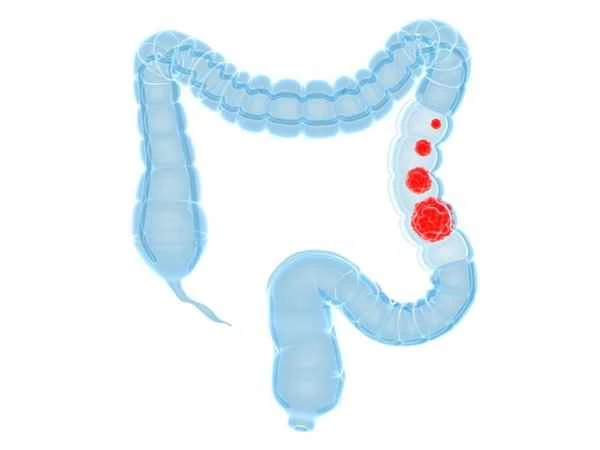
[Management Tip:]
1. Have regular colonoscopies, especially if you have a family history of colonoscopies.
2. Adjust your diet and reduce your intake of high-fat and high-protein foods.
3. Maintain regular lifestyle habits and avoid prolonged sitting.
4. If symptoms such as abdominal pain or rectal bleeding occur, seek medical attention promptly.