adenomas
Is it serious to have a tubular adenoma in the colon?
The presence of tubular adenomas in the colon indicates the presence of a polyp that may develop into cancer. Tubular a...
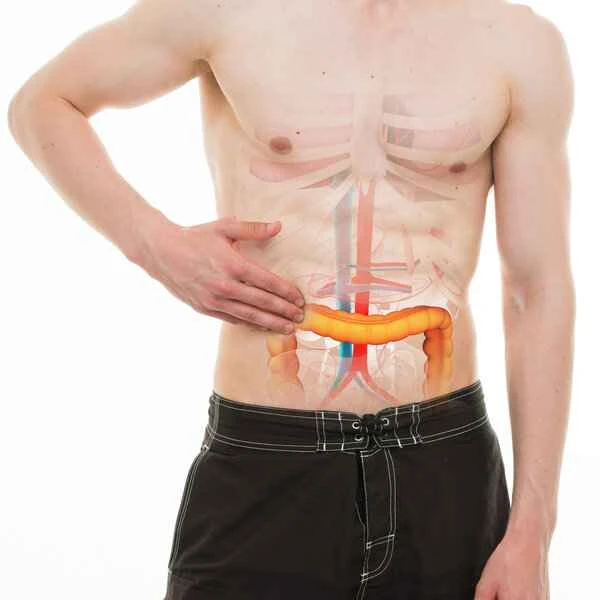
How often should hyperplastic intestinal polyps be checked?
The interval between follow-up examinations for hyperplastic intestinal polyps is usually determined by the doctor base...
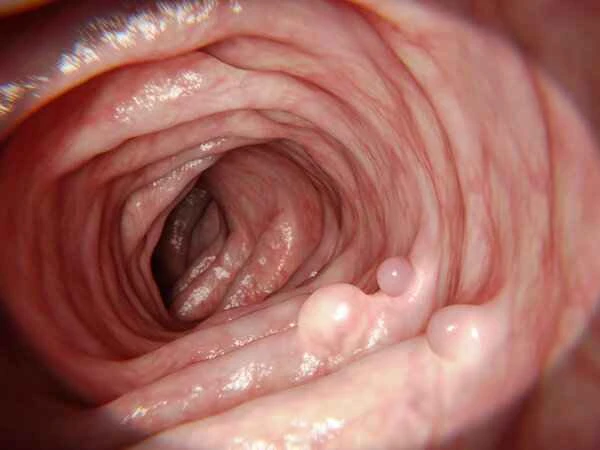
What medications are good to take after surgery for intestinal polyps?
After colon polyp surgery, the best medications to take are primarily to promote wound healing, prevent infection, and ...

Can smooth intestinal polyps be cancerous?
Whether a smooth intestinal polyp necessarily indicates cancer requires analysis from multiple perspectives. Intestinal...

Multiple intestinal polyps, including large polyps
Multiple intestinal polyps, especially large polyps, typically refer to the presence of multiple polyps in the colon, w...

What intestinal polyps grow faster?
The term "fast-growing intestinal polyps" usually refers to adenomatous polyps. Understanding the different g...
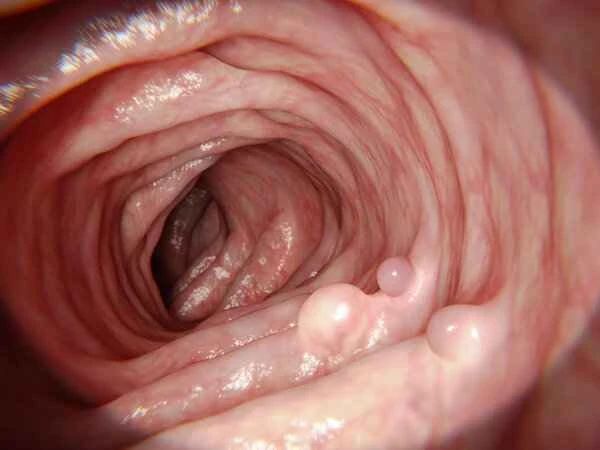
How long does it take to cure intestinal polyps?
The treatment time for intestinal polyps depends on a variety of factors, including the size, number, and location of t...

Which type of intestinal polyp has a high rate of malignant transformation?
Adenomatous polyps are a type of intestinal polyp with a higher rate of malignant transformation. Adenomatous polyps ar...
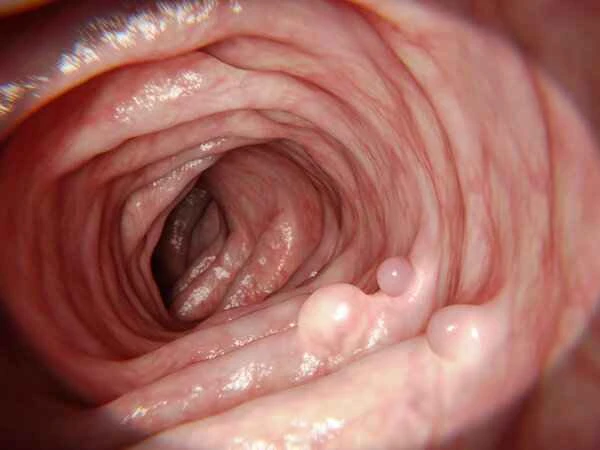
Are intestinal polyps serious?
Intestinal polyps are not necessarily serious, but their severity depends on a comprehensive assessment of their nature...

Is it okay to have intestinal polyps without medication?
Whether intestinal polyps can be treated without medication depends on the nature and size of the polyp, and whether it...

Are intestinal polyps a sign of sub-health?
Intestinal polyps are not directly equivalent to a sub-healthy state, but they may be a warning signal from the body, i...

Could small polyps found during a colonoscopy be cancerous?
Many people wonder whether small polyps found during a colonoscopy mean cancer. Small polyps are usually benign, but th...
How large can an adenomatous intestinal polyp be before it can be surgically removed?
The timing of surgery for adenomatous intestinal polyps depends primarily on the size and shape of the polyp, as well a...

How to distinguish between gastric polyps and intestinal fossils
The key to distinguishing between gastric polyps and intestinal fossils lies in understanding their respective characte...

Will intestinal polyps grow back after surgery?
Intestinal polyps may regrow after surgery. Intestinal polyps are abnormal growths on the intestinal mucosa. Even after...