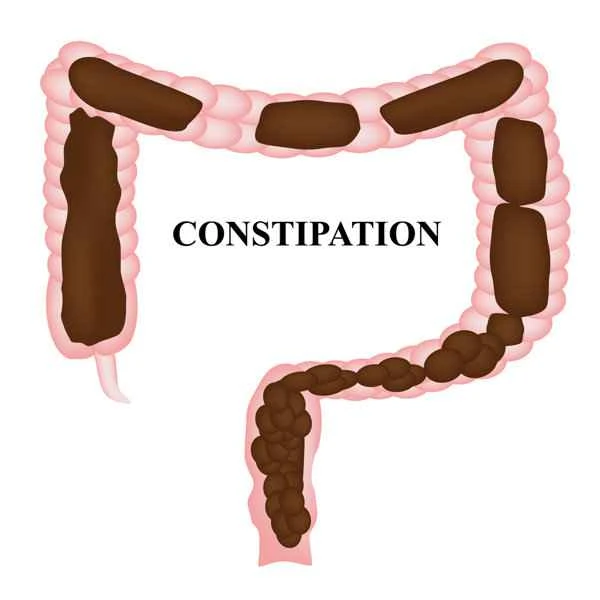
The core of treating constipation and intestinal polyps lies in improving gut health through a comprehensive approach, including dietary adjustments, medication, and surgical intervention when necessary. Treating constipation and intestinal polyps requires a three-pronged approach: improving lifestyle habits, medication, and, when necessary, surgery. Dietary adjustments are fundamental to treating constipation; increasing dietary fiber intake promotes intestinal motility and improves bowel movements. Simultaneously, medication can help relieve constipation symptoms, such as using laxatives and intestinal lubricants. For intestinal polyps, early detection and treatment are crucial, typically achieved through endoscopic resection to prevent the polyps from developing into malignant tumors. Regular colonoscopies are key to preventing and detecting intestinal polyps early. During the treatment of constipation and intestinal polyps, patients may encounter some risks and misconceptions. For example, over-reliance on medication may lead to intestinal dysfunction, while neglecting regular checkups may result in missing the opportunity for early detection of intestinal polyps. A comprehensive approach that considers lifestyle adjustments, medication, and regular checkups is the scientific method for treating constipation and intestinal polyps.
[Management Tip:]
1. Increase your intake of dietary fiber, such as by eating more vegetables, fruits and whole grains.

2. Have regular colonoscopies, especially if you have a family history of colonoscopies.
3. Avoid long-term reliance on laxatives to prevent intestinal dysfunction.