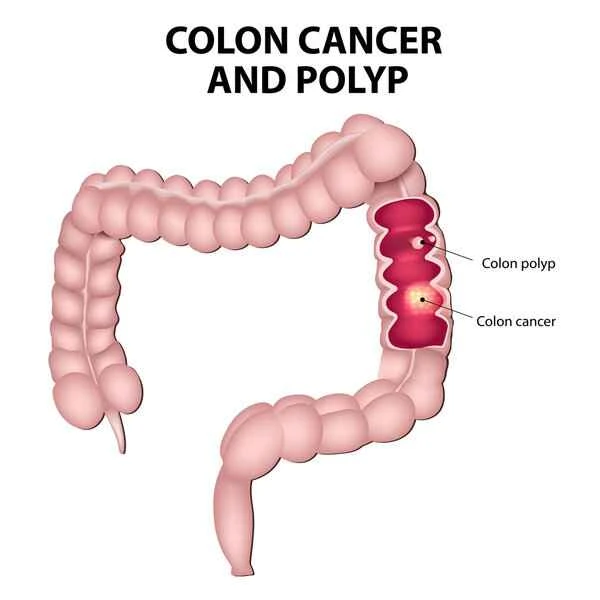
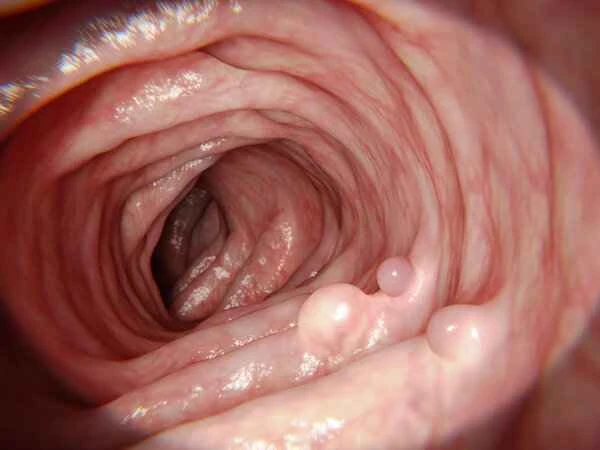
Intravenous infusion cannot directly cure intestinal obstruction, but it can be used as an adjunct therapy.
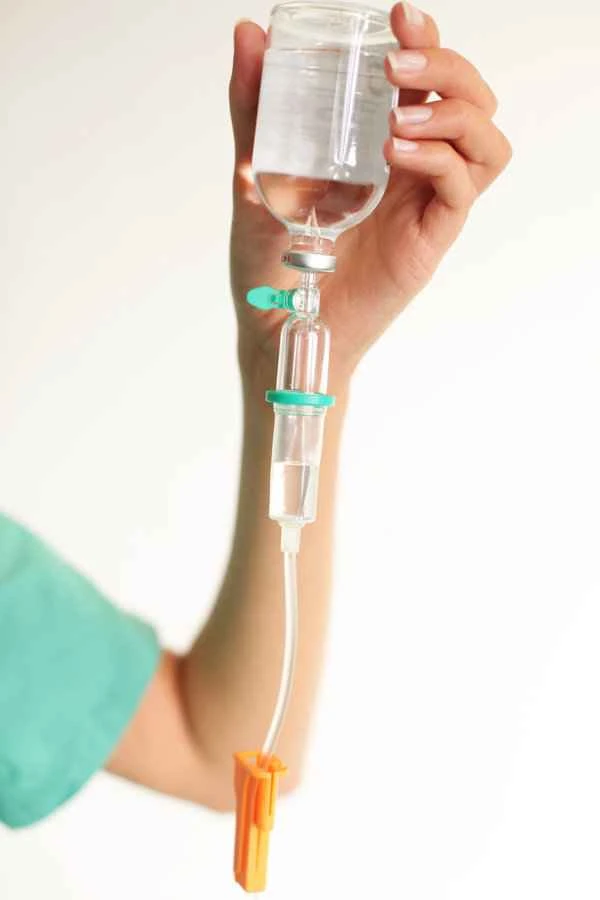
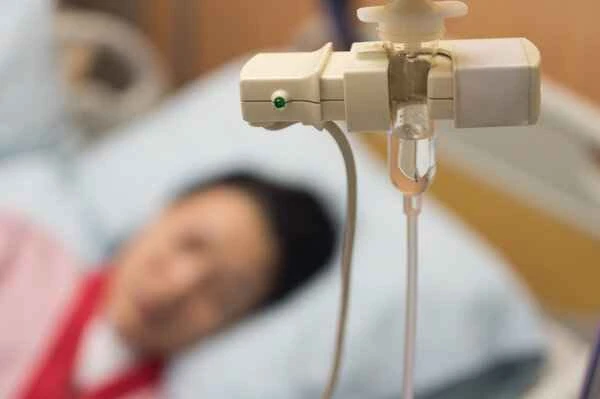
The role of intravenous fluid therapy in the treatment of intestinal obstruction is primarily to maintain the patient's electrolyte balance, improve nutritional status, and, in some cases, alleviate symptoms. Intestinal obstruction is a serious digestive system disease characterized by the inability of intestinal contents to pass normally through the intestines. While intravenous fluid therapy cannot directly relieve the obstruction, it can help maintain the patient's physiological functions and create conditions for subsequent treatment. For example, intravenous fluid therapy can replenish dehydration and electrolyte imbalances caused by vomiting and diarrhea, thereby reducing the patient's suffering and creating conditions for surgical or non-surgical treatment. Intravenous fluid therapy can also provide necessary nutritional support, helping the patient maintain strength and promote recovery.
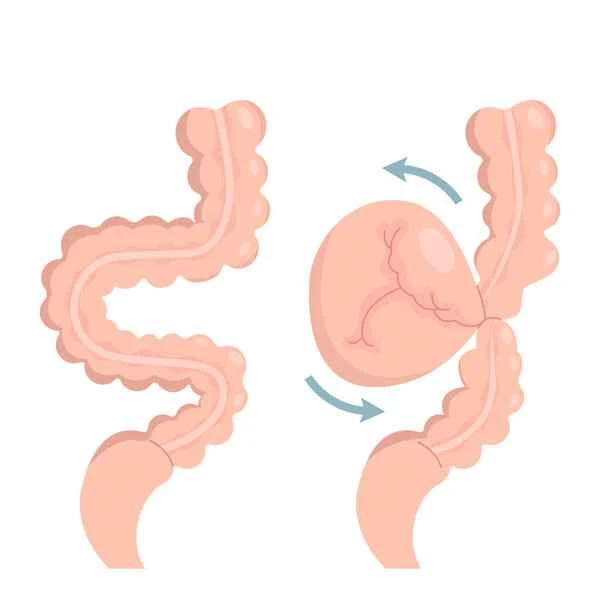
It is important to note that intravenous infusion therapy for intestinal obstruction carries certain risks and misconceptions. Infusions cannot replace necessary diagnostic and treatment measures, such as imaging examinations and surgical interventions. Over-reliance on infusions while neglecting etiological treatment may lead to a worsening of the condition. Finally, the use of infusions must be determined based on the patient's specific circumstances, including the type and severity of the obstruction and the presence of complications. When treating intestinal obstruction, doctors will comprehensively consider various factors and develop a personalized treatment plan, rather than solely relying on infusions.
[Management Tip:]
1. Seek medical attention promptly and receive professional diagnosis and treatment.
2. Maintain good eating habits and avoid eating foods that are difficult to digest.
3. Have regular abdominal examinations to detect any abnormalities promptly.
4. Follow your doctor's instructions and use medications appropriately. Avoid self-medicating.