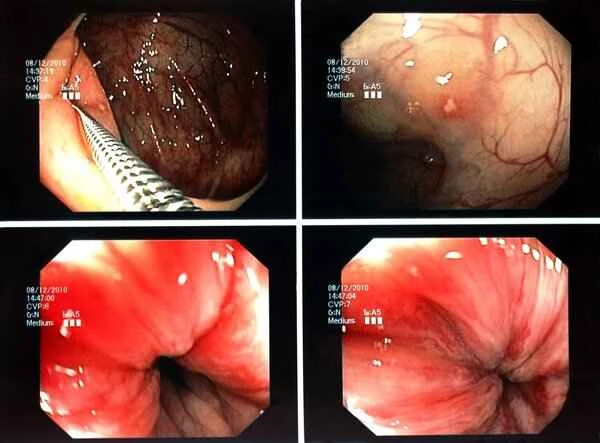
The effectiveness of medication in relieving symptoms of intestinal polyps depends on a variety of factors, including the nature, size, and location of the polyps, as well as the individual's overall health. Medication can alleviate some symptoms associated with intestinal polyps, but it usually does not cure the polyps themselves. The primary role of medication is to improve the patient's quality of life by reducing inflammation, controlling symptoms, or inhibiting polyp growth.
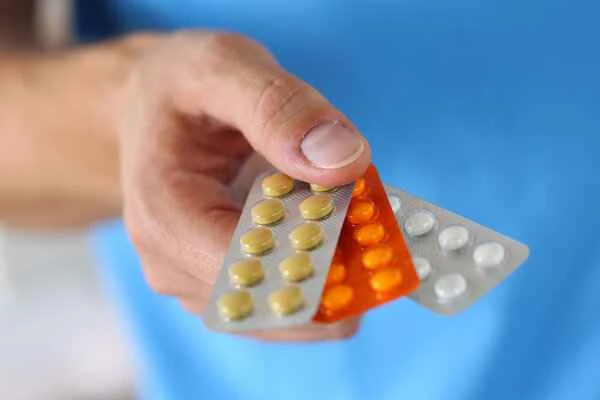
Drug treatment for intestinal polyps typically involves using nonsteroidal anti-inflammatory drugs (NSAIDs) or other anti-inflammatory medications to reduce intestinal inflammation and pain. These drugs relieve symptoms such as abdominal pain and diarrhea by suppressing the body's inflammatory response. Some medications can also help improve symptoms of constipation or diarrhea by regulating intestinal motility. Drug treatment does not change the structure of the polyps, so it may not completely eliminate polyps that have already formed.

During treatment, patients may encounter some potential risks and misconceptions. Drug therapy cannot completely replace endoscopic examination or surgical removal of polyps because drugs cannot change the physical structure of the polyps. Long-term use of certain medications may cause side effects such as gastrointestinal discomfort and abnormal liver function. Drug therapy should be used under the guidance of a doctor, and regular follow-up examinations are necessary to monitor the effectiveness of the medication and any potential side effects.
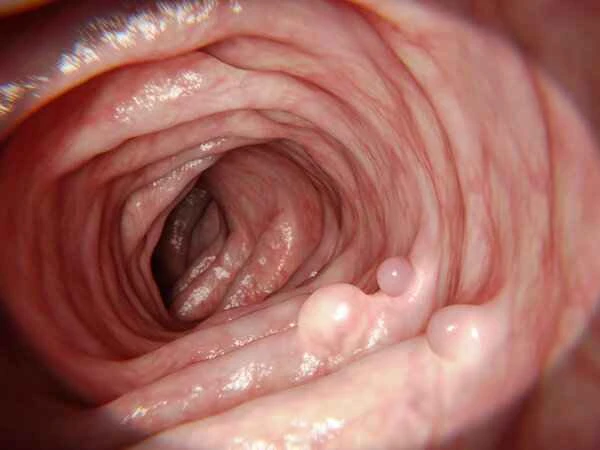
[Management Tip:]
1. Have regular colonoscopies to monitor changes in polyps.
2. Use medication as prescribed by your doctor and be aware of any potential side effects.
3. Adjust your diet, avoid spicy foods, and reduce the burden on your intestines.
4. If you experience persistent abdominal pain, rectal bleeding, or other symptoms, you should seek medical attention promptly.