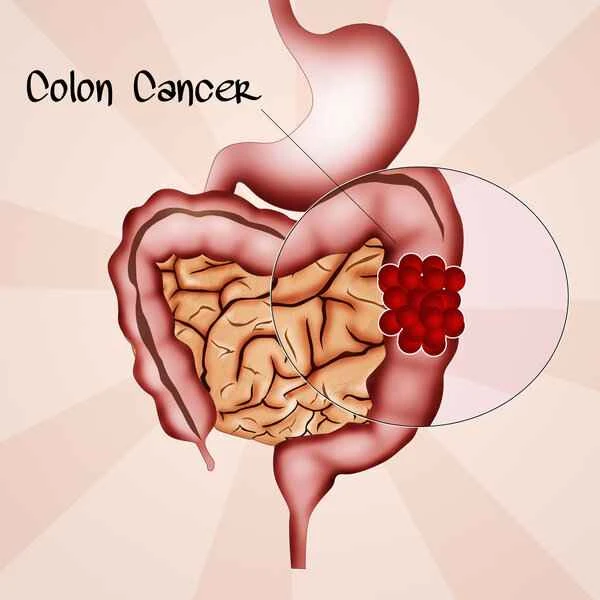
Villous adenomas, a type of intestinal polyp, are abnormal tissues that grow in the colon or rectum. They are composed of abnormally proliferating cells and have a villous appearance. These adenomas are of significant medical importance because they are not only a type of intestinal polyp but also an important precursor to colon cancer. Their presence indicates potential health risks and requires timely medical intervention.
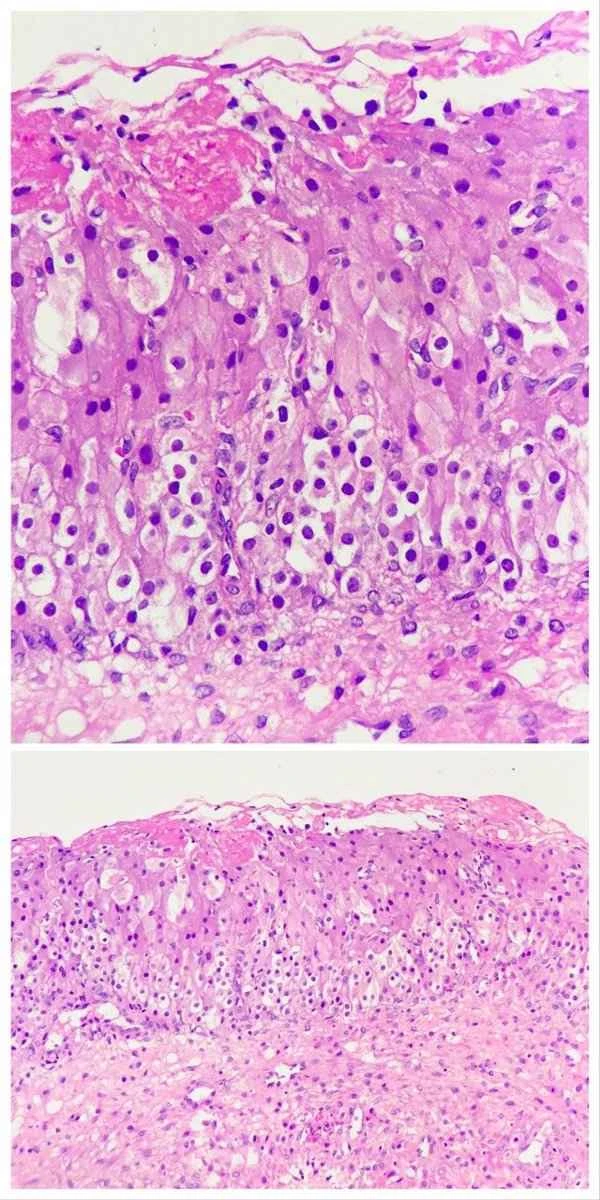
When analyzing villous adenomas, a type of intestinal polyp, it's important to note that under a microscope, these adenomas exhibit disordered cell arrangement and complex structure, significantly different from normal tissue. Their formation may be related to genetic factors, dietary habits, and inflammation. The appearance of villous adenomas is often accompanied by chronic inflammation of the intestinal wall, which may be long-term or appear after the adenoma has formed. Identifying and treating these adenomas is crucial for preventing colorectal cancer.
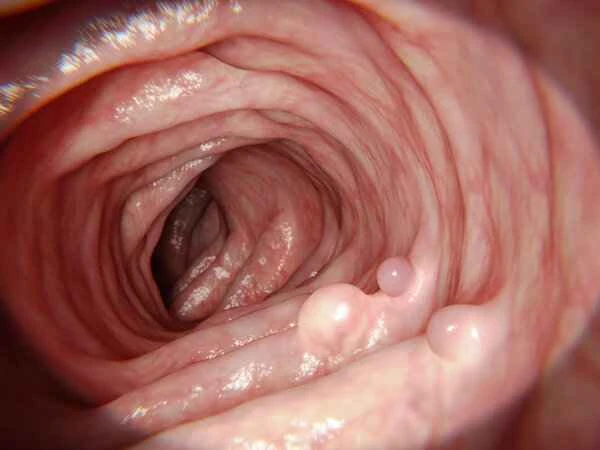
When faced with examination results for villous adenoma of the intestine, it's crucial to interpret this information objectively. Typically, doctors confirm the diagnosis through methods such as endoscopy and biopsy. Certain indicators in the examination results, such as the size, shape, and degree of cellular atypia of the adenoma, can influence subsequent treatment decisions. These results alone cannot determine a person's health status; they need to be comprehensively assessed in conjunction with the patient's overall health and other examination results. When accepting treatment recommendations, the most important thing to avoid is overinterpreting a single examination result and ignoring the doctor's overall diagnostic opinion.
【Useful Tips:】
1. Have regular colonoscopies, especially if you have a family history of colonoscopies.
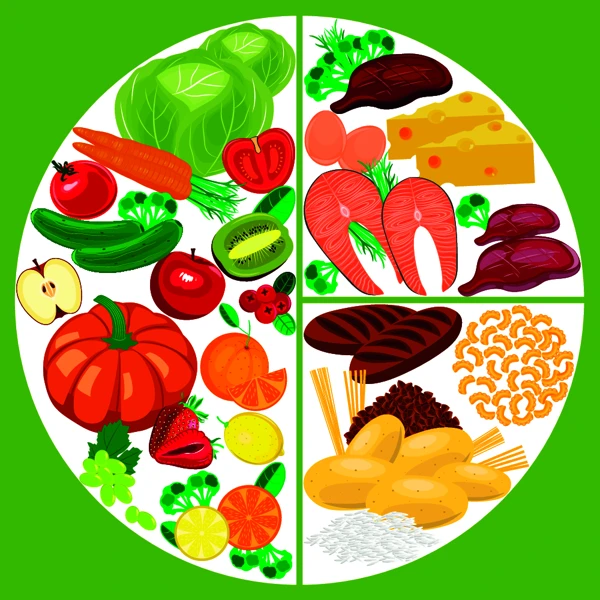
2. Maintain healthy eating habits and reduce your intake of red and processed meats.
3. Maintain a healthy weight and avoid obesity.
4. Have regular physical examinations to detect and address any abnormalities promptly.