Intestinal obstruction is a condition where intestinal contents cannot pass through normally, and it is usually accompanied by symptoms such as abdominal pain and vomiting. In some cases, patients with intestinal obstruction may not experience obvious abdominal pain or vomiting.
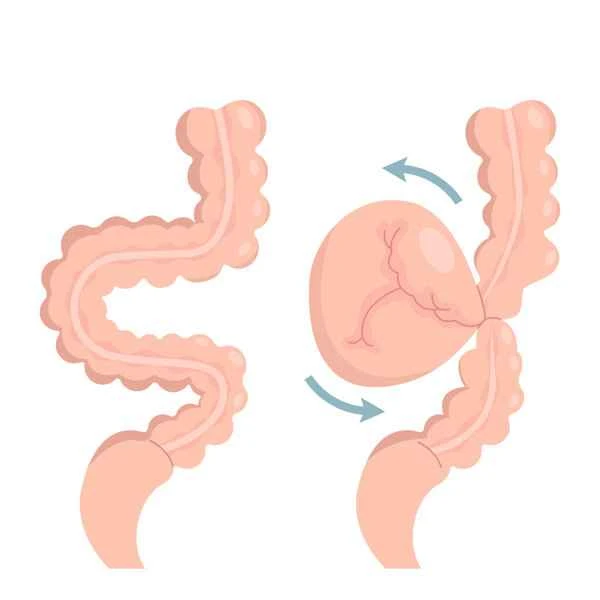
Intestinal obstruction can occur due to foreign bodies, tumors, adhesions, or other reasons within the intestines. In some cases, patients may not experience significant abdominal pain due to impaired nerve conduction or blocked pain signal transmission. If the obstruction is located at the end of the intestine, the patient may not feel significant pain because this area has fewer nerve endings. Once symptoms present as persistent abdominal distension, abdominal bloating, and cessation of gas and stool passage, the possibility of intestinal obstruction should be considered.

Another possibility relates to the patient's physical condition. For example, some patients may have an elevated pain threshold due to long-term chronic illness, resulting in a diminished perception of pain. In such cases, even with bowel obstruction, the patient may not experience significant abdominal pain or vomiting. This does not mean that bowel obstruction is absent, as these symptoms may gradually appear as the disease progresses.

Warning signs include persistent abdominal bloating, abdominal distension, and cessation of gas and bowel movements. If these symptoms occur, immediate medical attention is necessary. A common misconception is that the absence of abdominal pain or vomiting means there is no intestinal obstruction. In reality, the symptoms of intestinal obstruction can vary greatly from person to person, and professional diagnosis is essential.
[Prevention Tips:]
1. Maintain good eating habits and avoid eating foods that are difficult to digest.
2. Pay attention to personal hygiene to avoid intestinal infections.
3. Have regular physical examinations to detect and treat diseases that may lead to intestinal obstruction in a timely manner.