Chronic pancreatitis does not usually directly cause intestinal obstruction, but its long-term effects may indirectly cause related problems.
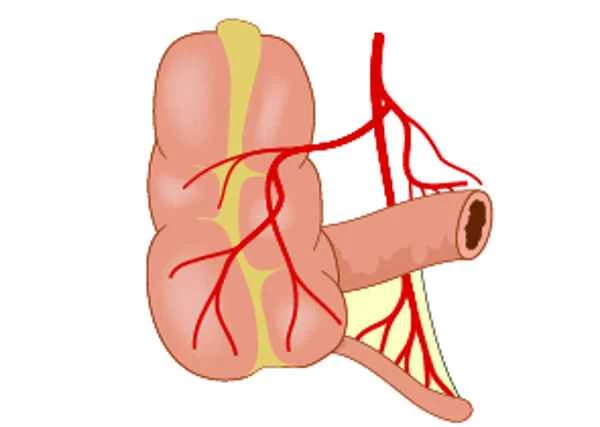
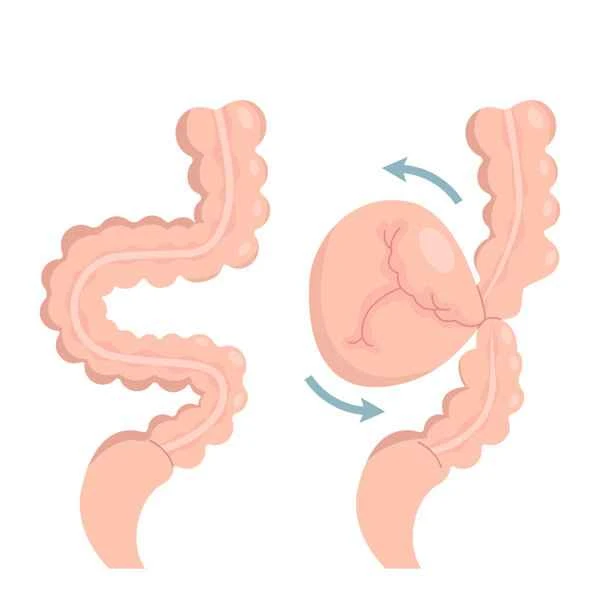
Chronic pancreatitis is a long-term inflammatory disease that primarily affects pancreatic function. The pancreas is responsible for secreting digestive enzymes to help break down food and also participates in regulating blood sugar levels. Chronic pancreatitis often leads to damage and fibrosis of pancreatic tissue, thus affecting normal pancreatic function. While intestinal obstruction is usually caused by physical blockage of the intestines, such as tumors, adhesions, or hernias, chronic pancreatitis can cause intestinal dysfunction, such as pseudo-obstruction, which is a type of intestinal obstruction-like symptom caused by dysfunction of the intestinal muscles or nerves, rather than a true physical obstruction. Patients with chronic pancreatitis may experience symptoms such as indigestion and abdominal pain, which are sometimes mistaken for intestinal obstruction.
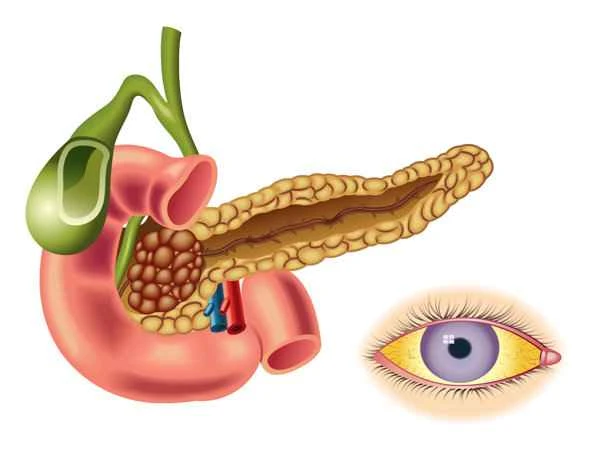
In managing chronic pancreatitis, doctors monitor a patient's symptoms and signs, as well as potential complications. For example, imaging studies (such as ultrasound, CT, or MRI) are used to assess the condition of the pancreas, and blood tests are conducted to monitor pancreatic function. Treatment strategies typically include medication (such as painkillers and pancreatic enzyme replacement therapy), dietary adjustments (such as a low-fat diet), and lifestyle modifications (such as quitting alcohol and smoking). These measures help control inflammation, improve pancreatic function, and thus reduce the risk of bowel obstruction.
[Management Tip:]
1. Regularly perform pancreatic function tests, such as serum amylase and lipase levels.
2. Adjust your diet, avoid high-fat foods, and reduce the burden on the pancreas.
3. Maintain a healthy lifestyle and avoid drinking alcohol and smoking.
4. If you experience persistent abdominal pain or other digestive symptoms, seek medical attention promptly.