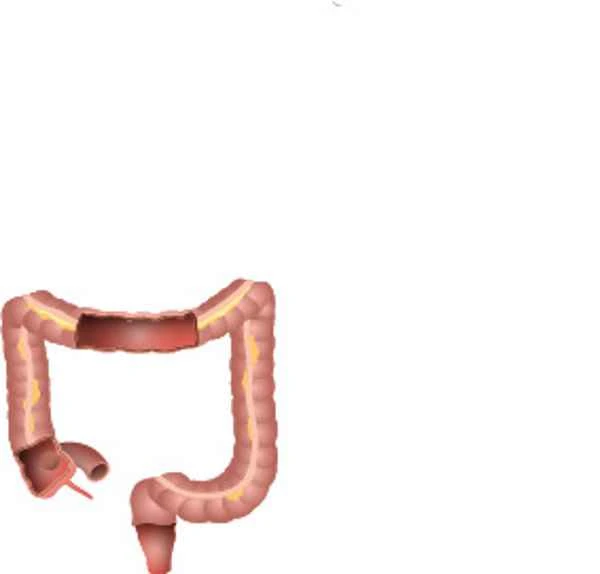
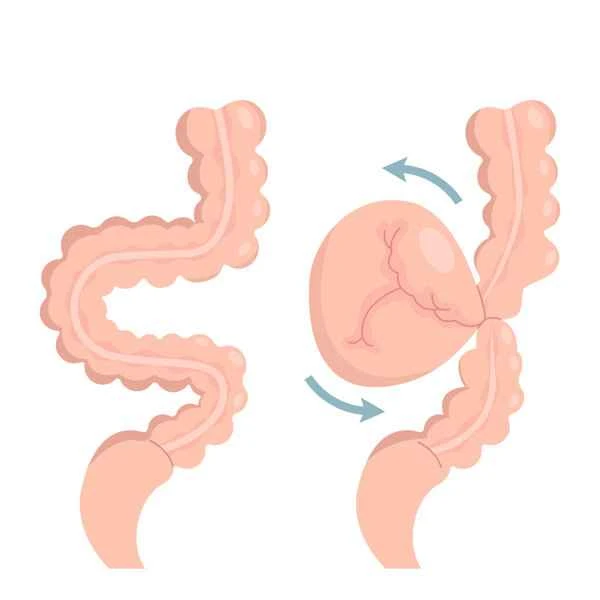
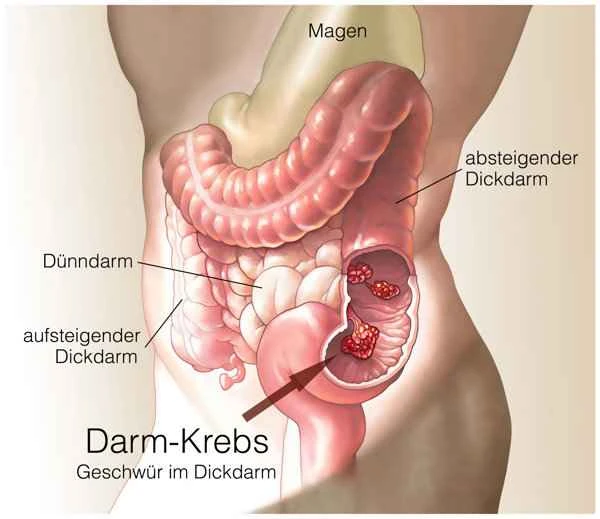
Fainting due to intestinal obstruction occurs because the blockage affects normal blood circulation and oxygen supply. When the intestines are blocked, gas and fluid cannot pass through normally, leading to increased intestinal pressure, which in turn affects blood circulation in the abdomen. This can cause intestinal ischemia, further affecting systemic blood circulation, especially blood supply to the brain. When the brain does not receive enough oxygen and nutrients, fainting may occur.
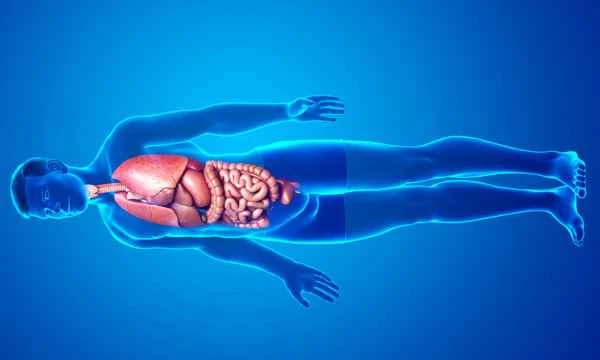
The core mechanism by which intestinal obstruction causes fainting lies in the circulatory disturbance caused by increased intestinal pressure. In cases of intestinal obstruction, gas and fluid accumulate in the intestines, leading to increased intestinal pressure, which in turn compresses surrounding blood vessels, affecting blood return. This compressive effect further affects the heart's pumping function, resulting in poor systemic blood circulation. Because the brain is particularly sensitive to oxygen deficiency, fainting symptoms occur when the brain does not receive enough oxygen. Increased intestinal pressure can also lead to increased intra-abdominal pressure, further affecting the heart's pumping function and thus exacerbating the circulatory disturbance.
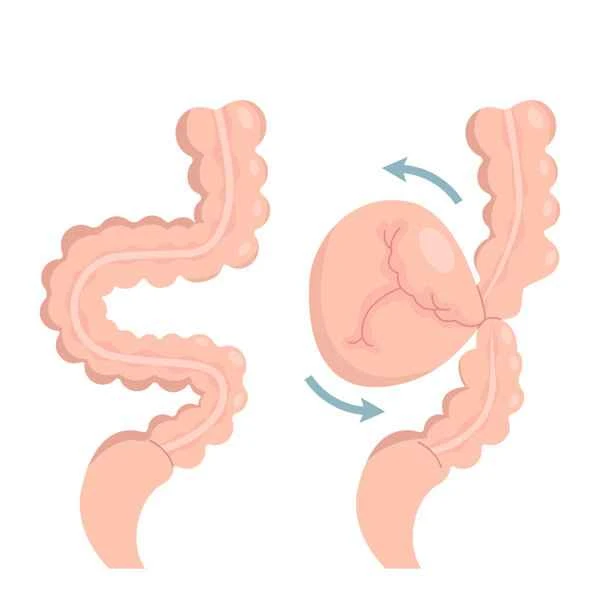
Treating syncope caused by intestinal obstruction requires a comprehensive consideration of multiple factors. Imaging examinations are needed to determine the location and extent of the obstruction in order to implement appropriate treatment measures. Different treatment methods will be employed based on the patient's specific condition, such as surgical relief of the obstruction, gastrointestinal decompression, and fluid resuscitation. During treatment, close monitoring of the patient's vital signs, such as blood pressure, heart rate, and blood oxygen saturation, is essential to assess treatment effectiveness and adjust the treatment plan. Furthermore, attention must be paid to the patient's psychological state, providing emotional support and comfort to help them overcome this difficult time.
[Management Tip:]
1. Regularly monitor vital signs, such as blood pressure, heart rate, and blood oxygen saturation.
2. Adjust your eating habits and avoid eating high-fiber and high-fat foods to reduce the burden on your intestines.
3. Seek medical attention promptly if you experience symptoms such as abdominal pain, vomiting, or bloating to prevent your condition from worsening.