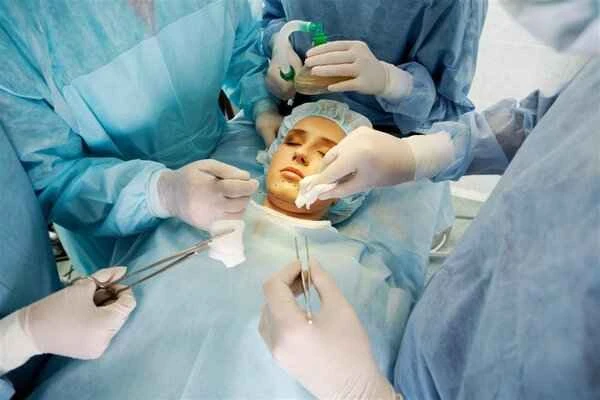
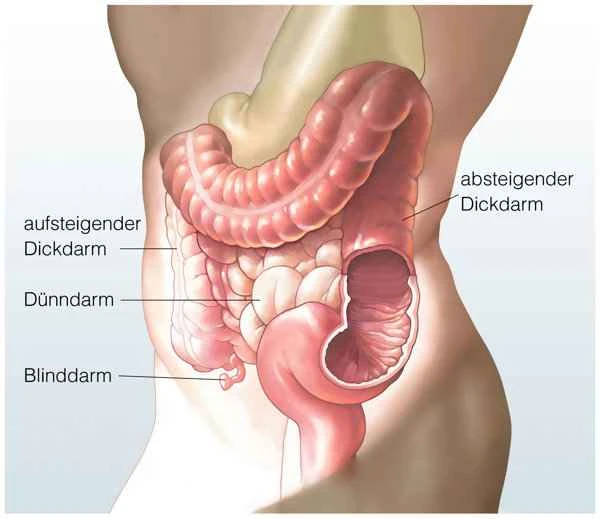
When polyps are found during a colonoscopy, patients may experience some discomfort, but this discomfort is not painful; rather, it is a mild discomfort.
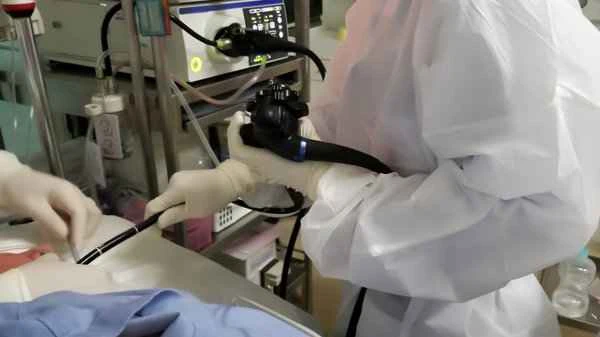
During a colonoscopy, a doctor inserts a soft tube through the anus into the intestines. This tube contains a camera that allows for a clear view of the inside of the intestines. If polyps are found, the doctor will take steps to perform a biopsy or remove them. The entire procedure may cause mild abdominal bloating or discomfort, but this is usually tolerable. During the examination, the doctor will use sedatives and local anesthetics to reduce patient discomfort and make the entire process more comfortable.
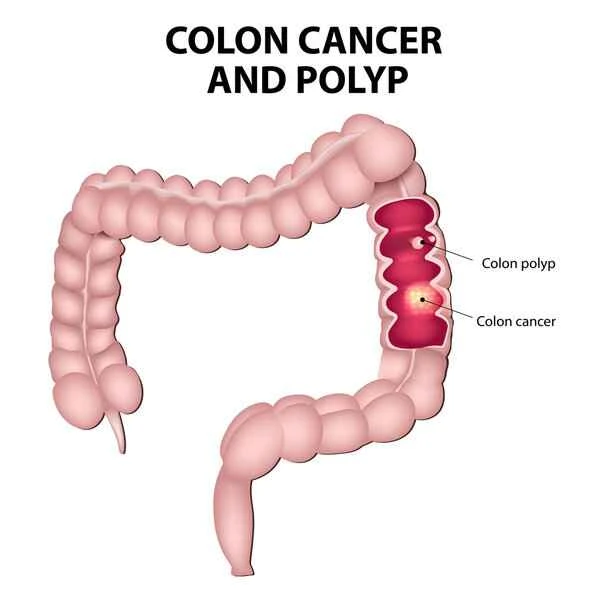
During a colonoscopy, patients may experience some potential risks, including intestinal perforation and bleeding. Although the probability of these risks is low, patients should fully understand these potential risks before the procedure and communicate thoroughly with their doctor to ensure they can make informed decisions. Patients should also understand the purpose and importance of the colonoscopy to avoid delaying the procedure due to fear, which could lead to a worsening of their condition.

[Management Tip:]
1. Before a colonoscopy, follow your doctor's instructions to prepare your bowels to ensure the accuracy of the examination.
2. If you experience any discomfort during the examination, please communicate with your doctor promptly so that you can receive appropriate sedation and anesthesia.
3. After the examination, observe for any abnormal symptoms, such as persistent abdominal pain or bleeding, and seek medical attention promptly.