Stomach cancer is a serious malignant tumor. Early symptoms are often not obvious, but as the disease progresses, some typical symptoms will appear. The appearance of the following three symptoms may indicate that you have stomach cancer and you should seek medical attention promptly for diagnosis.
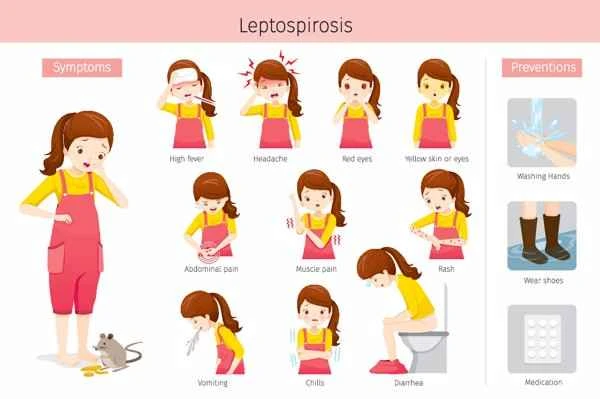
Stomach cancer patients often experience persistent upper abdominal pain, which tends to worsen after meals and lasts for a long time, not relieved by changes in diet or rest. If accompanied by symptoms such as rapid weight loss and loss of appetite, it should be taken very seriously. Stomach cancer can also cause gastrointestinal bleeding, manifesting as vomiting blood or black stools, due to the tumor invading the stomach wall. If these symptoms occur, especially if accompanied by systemic symptoms such as anemia and fatigue, immediate professional medical help should be sought for diagnosis.
The symptoms of stomach cancer can be similar to those of other stomach ailments, making it easy to overlook or misdiagnose. Early diagnosis of stomach cancer is crucial for treatment outcomes. When the above symptoms appear, one should not self-diagnose but seek medical attention promptly for professional examinations such as gastroscopy and pathological biopsy to obtain a definitive diagnosis. Furthermore, the development of stomach cancer is related to multiple factors, including long-term unhealthy dietary habits, Helicobacter pylori infection, and genetic factors. Understanding these risk factors is important for preventing stomach cancer.
[Prevention Tips]
1. Maintain healthy eating habits and avoid excessive intake of pickled and smoked foods.
2. Have regular stomach health checkups, especially if you have a history of stomach disease or a family history of stomach cancer.
3. Pay attention to personal hygiene to avoid Helicobacter pylori infection. Regular physical examinations can help with screening and timely treatment.
4. Maintain good lifestyle habits and avoid prolonged mental stress and emotional fluctuations.