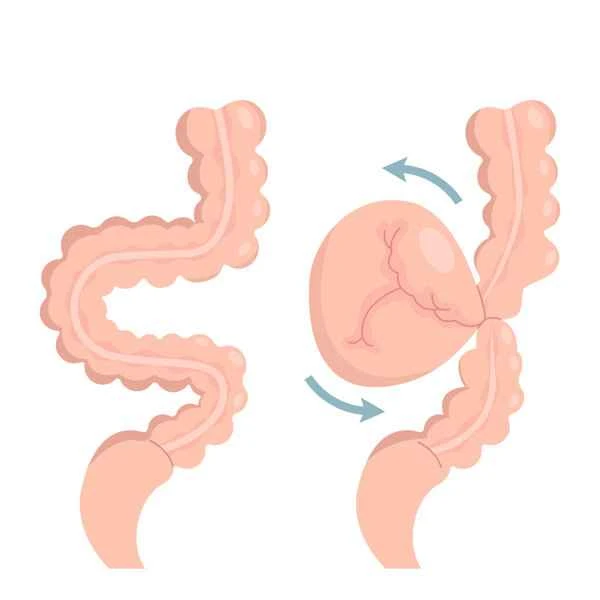
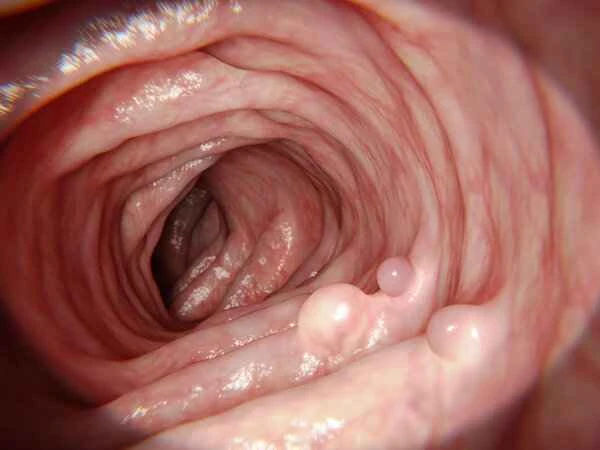
Intestinal obstruction is a disease in which the passage of intestinal contents is blocked. It is classified into several types, each with its own unique characteristics. A key feature of intestinal obstruction is its ability to rapidly disrupt the normal functioning of the digestive system, causing symptoms such as abdominal pain, vomiting, and bloating, and in severe cases, even threatening life. Understanding the characteristics of different types of intestinal obstruction is crucial for timely diagnosis and treatment.
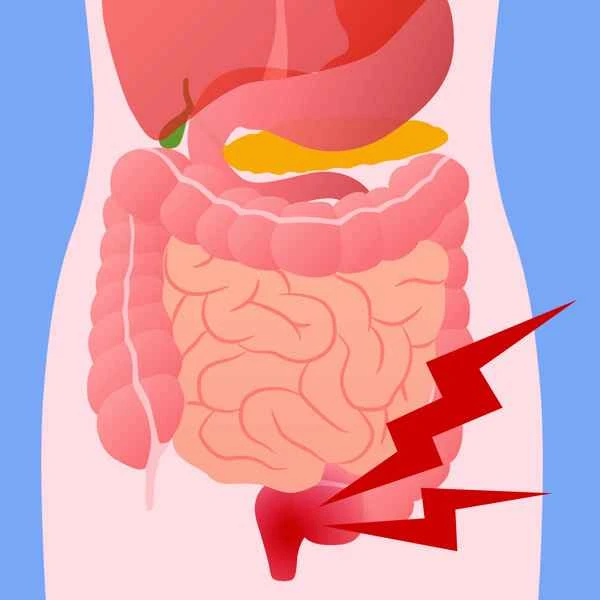
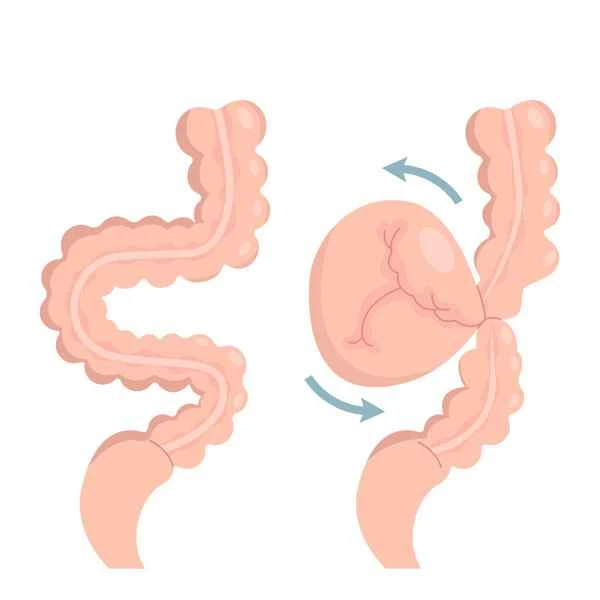
Next, we will delve into the characteristics of several types of intestinal obstruction. Mechanical intestinal obstruction is caused by physical barriers within the intestine or on the intestinal wall, such as tumors, hernias, or volvulus. This type of obstruction is characterized by the inability of intestinal contents to pass smoothly, usually accompanied by severe abdominal pain and vomiting. Conversely, motility-related intestinal obstruction is caused by impaired intestinal motility, such as paralytic ileus, which may be caused by abdominal surgery, infection, or electrolyte imbalance. Motility-related intestinal obstruction is characterized by the inability of the intestine to effectively propel contents, leading to abdominal distension and constipation.
When faced with test results indicating intestinal obstruction, it is crucial to understand their practical significance. For example, a "stepped" air-fluid level on an abdominal X-ray typically suggests mechanical intestinal obstruction, while weakened or absent peristalsis may indicate motility-related intestinal obstruction. We must also recognize that imaging results are not absolute and require comprehensive assessment in conjunction with clinical symptoms and other examination findings. In interpreting test results, we should maintain objectivity, acknowledging the complexity and limitations of medical diagnosis, and avoiding over-interpretation or misunderstanding.

【Useful Tips:】
1. Pay attention to symptoms such as abdominal pain, vomiting, and abdominal distension, as these may be early signs of intestinal obstruction.
2. If the above symptoms occur, especially severe abdominal pain, seek medical attention immediately to avoid delaying treatment.
3. During treatment for intestinal obstruction, follow your doctor's instructions and pay attention to adjustments in your diet and lifestyle.
4. For patients with a history of intestinal obstruction, regular physical examinations should be conducted to promptly identify and address potential recurrence factors.