Intestinal obstruction is a condition where the passage of intestinal contents is blocked, and it can be caused by a variety of reasons. This condition may cause symptoms such as abdominal pain, vomiting, bloating, and cessation of gas and bowel movements. Understanding the possible causes of intestinal obstruction helps in early identification and timely medical attention.
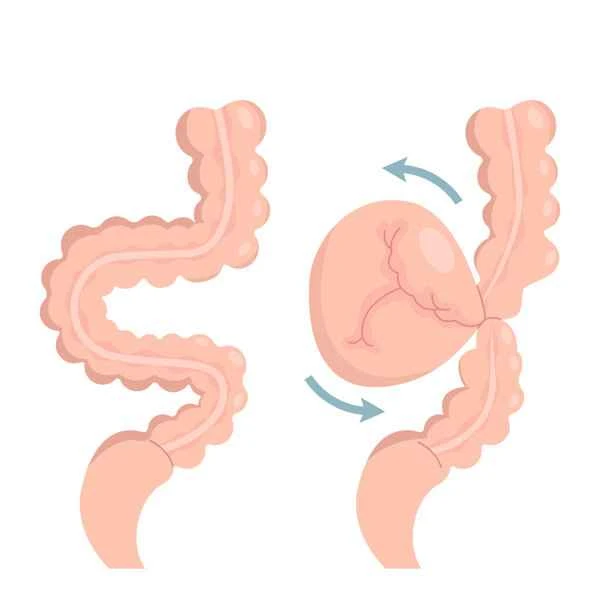
Intestinal obstruction has a variety of causes, mainly including mechanical and functional factors. Mechanical factors refer to physical obstacles inside or outside the intestine, such as tumors, hernias, adhesions, and fecal impaction. These factors may prevent intestinal contents from passing smoothly, thus causing intestinal obstruction. Postoperative adhesion formation is a common cause of intestinal obstruction, especially after abdominal surgery, where adhesions may form around the intestine, hindering the normal flow of intestinal contents. Functional factors refer to intestinal motility disorders, such as paralytic ileus, which may be caused by neurological diseases, electrolyte imbalances, or drug side effects. In such cases, even without physical obstacles in the intestine, impaired intestinal motility can still lead to intestinal obstruction.
Symptoms of intestinal obstruction can be similar to other abdominal conditions, making accurate diagnosis crucial. If you experience severe abdominal pain, frequent vomiting, or inability to pass gas or stool, seek immediate medical attention. Intestinal obstruction can be accompanied by serious complications such as intestinal necrosis and perforation, which require emergency treatment. Avoid self-diagnosis and delaying medical attention, as timely professional diagnosis and treatment are essential to preventing serious complications.

[Prevention Tips:]
1. Maintain a healthy lifestyle, including a balanced diet and moderate exercise.
2. Pay attention to recovery after abdominal surgery and follow your doctor's instructions for appropriate rehabilitation training.
3. Have regular physical examinations, especially for people with a family history of intestinal diseases.