Intestinal polyps are abnormal tissues that grow on the inner wall of the intestine. Their growth or number is usually controlled through drug treatment.
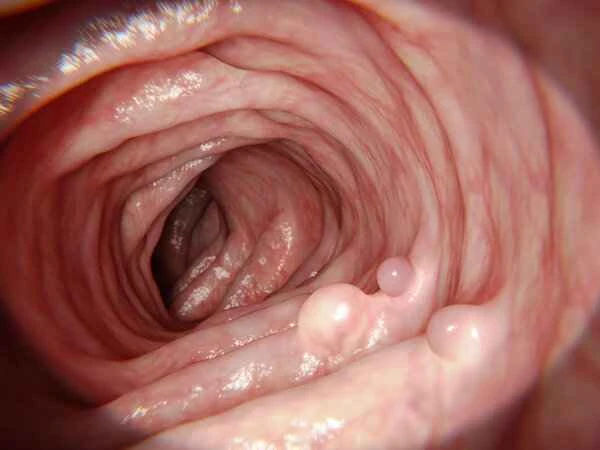
The importance of drug treatment for intestinal polyps lies in its ability to help control the size and number of polyps, thereby reducing the risk of colorectal cancer. Drug intervention can avoid or reduce the need for surgery while improving the patient's quality of life.
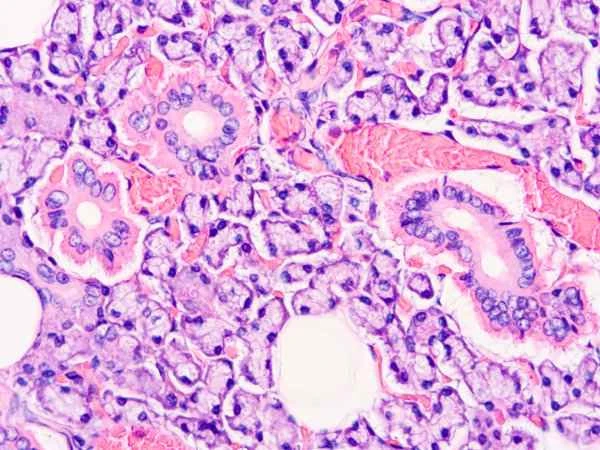
Drug treatment for intestinal polyps typically includes nonsteroidal anti-inflammatory drugs (NSAIDs) and certain anti-inflammatory drugs, which reduce polyp growth by suppressing the inflammatory response. Specifically, these drugs reduce inflammation within the intestines, thereby reducing polyp formation and growth. Some drugs can also help control polyps by altering the intestinal environment.
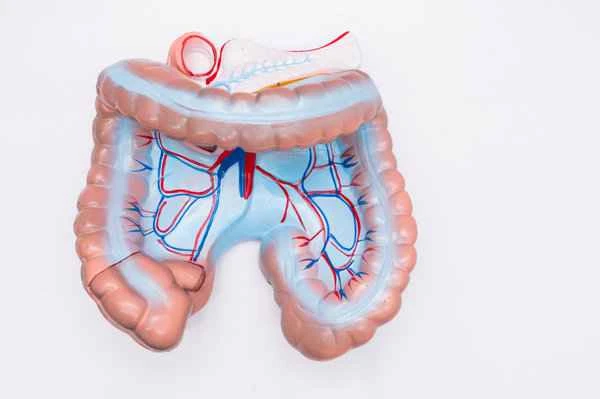
When using medication to treat intestinal polyps, it's important to understand that the effectiveness of medications is limited, and individual responses may differ. Regular checkups and maintaining communication with your doctor are crucial. Lifestyle modifications, such as increasing dietary fiber intake, maintaining a healthy weight, and regular exercise, can also help control intestinal polyps.
【Useful Tips:】
1. Have regular colonoscopies to detect and treat intestinal polyps in a timely manner.
2. Maintain a healthy lifestyle, including a balanced diet and moderate exercise.
3. Follow your doctor's advice, take medication on time, and have regular check-ups.
4. Pay attention to your physical condition. If you feel unwell, seek medical attention promptly.