Patients with bowel obstruction should not consume yogurt.
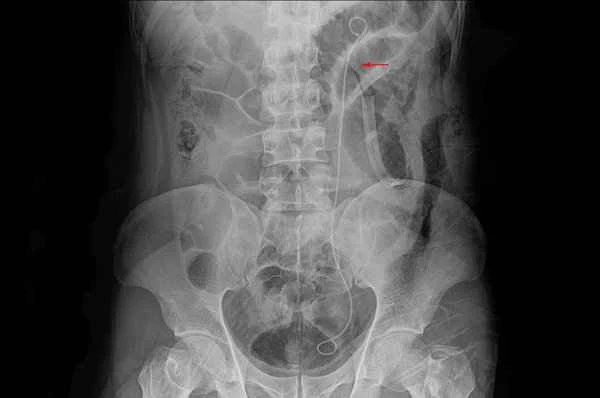
In cases of large intestine obstruction, the normal function of the digestive tract is severely affected, especially the weakening or cessation of intestinal motility. This leads to the accumulation of food residue in the intestines, causing symptoms such as bloating and abdominal pain. While yogurt, as a dairy product, is highly nutritious, its thick consistency makes it difficult to digest and may produce gas in the intestines, further burdening the digestive system. In cases of large intestine obstruction, consuming yogurt not only fails to alleviate symptoms but may also worsen the condition and prolong recovery time.
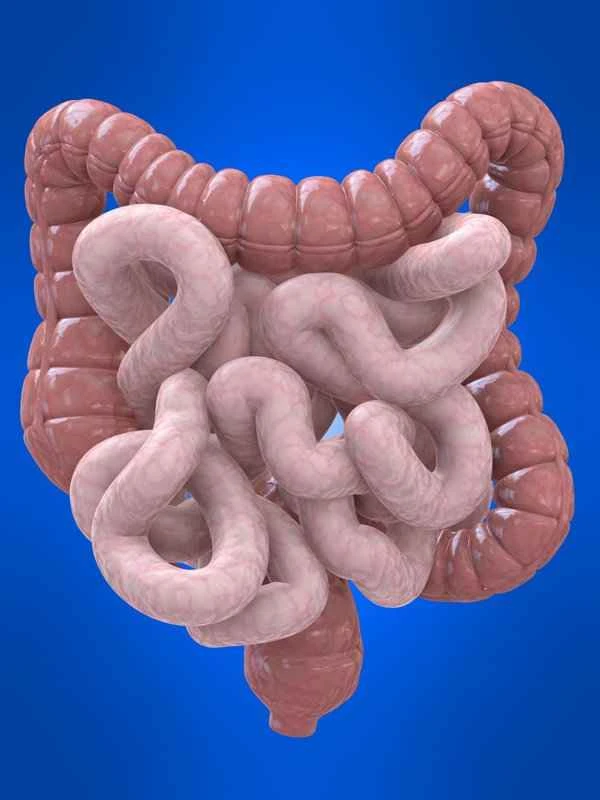
When managing bowel obstruction, patients need to pay special attention to their diet, avoiding foods that are difficult to digest, such as yogurt and greasy foods, to prevent further burdening the intestines. At the same time, they should follow their doctor's advice and take appropriate treatment measures, such as fasting, gastrointestinal decompression, and medication, to promote the recovery of bowel function. It is important to note that dietary management is a crucial part of the treatment of bowel obstruction; patients should strictly adhere to their doctor's orders and avoid self-adjusting their diet, as this may affect the treatment's effectiveness.

[Management Tip:]
1. Follow your doctor's dietary advice and avoid eating foods that are difficult to digest.
2. During treatment, maintain good eating habits and avoid greasy, spicy, or other irritating foods.
3. If you experience symptoms such as abdominal pain or bloating, seek medical attention promptly to avoid delaying treatment.