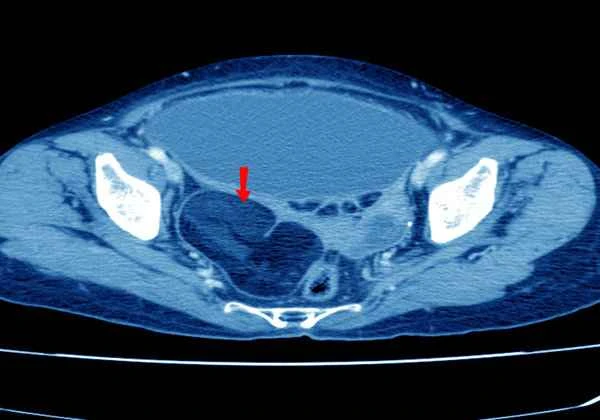
Screening for intestinal polyps is best started at age 40. Intestinal polyps are abnormal tissues growing on the inner wall of the intestines; they may be benign, but they can also be a sign of precancerous lesions.

The importance of polyp screening lies in the fact that early detection and treatment can effectively prevent colorectal cancer. Colorectal cancer is one of the most common malignant tumors worldwide, and early diagnosis and treatment can significantly improve cure rates and survival rates. Regular polyp screening is of great significance for maintaining intestinal health and preventing cancer.
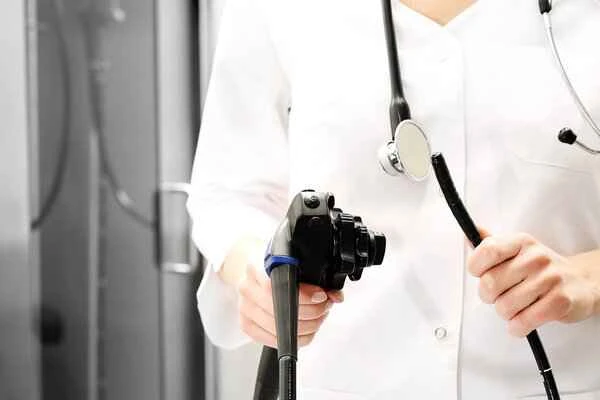
Examination of intestinal polyps typically includes methods such as fecal occult blood tests and colonoscopy. Among these, colonoscopy is currently the most direct and effective diagnostic tool, allowing direct visualization of the intestinal tract and enabling biopsies or direct removal of polyps when they are found. Through these examinations, doctors can assess the nature of the polyps, determine their potential risk of malignancy, and thus take appropriate treatment measures.
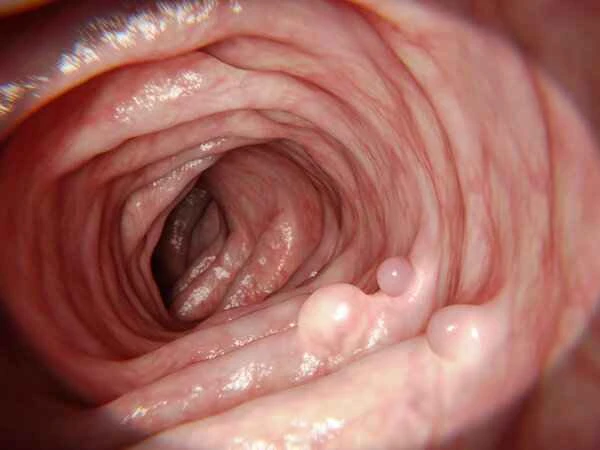
Examination results are typically interpreted based on the size, number, and pathological type of the polyps. If polyps are found, the doctor will develop a personalized treatment plan based on the specific situation. Smaller benign polyps may only require regular follow-up observation; however, larger polyps or those with a tendency to become malignant may require removal or other treatment measures. It is important to note that examination results are only a reference; a final diagnosis should not be made based on a single result. A comprehensive analysis should be conducted, taking into account the individual's clinical symptoms and other examination results.
【Useful Tips:】
1. Start having regular checkups for intestinal polyps from age 40.
2. If there is a family history of genetic disorders or other high-risk factors, testing should be conducted in advance.
3. Bowel preparation should be done according to the doctor's instructions before the examination.
4. After the examination, necessary treatment or follow-up should be carried out in accordance with the doctor's advice.