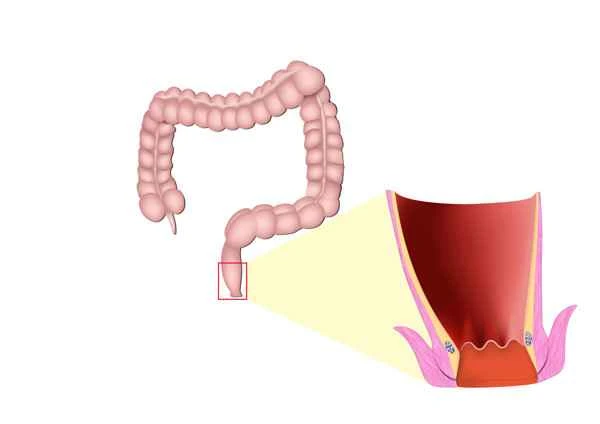
What can a patient eat after intestinal obstruction is relieved? This refers to the gradual resumption of diet after the symptoms of intestinal obstruction have subsided, but certain principles and steps need to be followed.

Once the intestinal obstruction is relieved, the patient's dietary recovery is a gradual process, progressing from liquids to semi-liquids, then to soft foods, and finally to a normal diet. This process requires adhering to principles such as avoiding foods that place excessive burden on the intestines, including greasy, high-fiber, and spicy foods, while ensuring a balanced intake of nutrients. During this process, doctors typically develop a personalized dietary recovery plan based on the patient's specific condition, such as the cause and severity of the intestinal obstruction, and the speed of recovery. This not only helps patients recover their health more quickly but also prevents complications caused by improper diet.
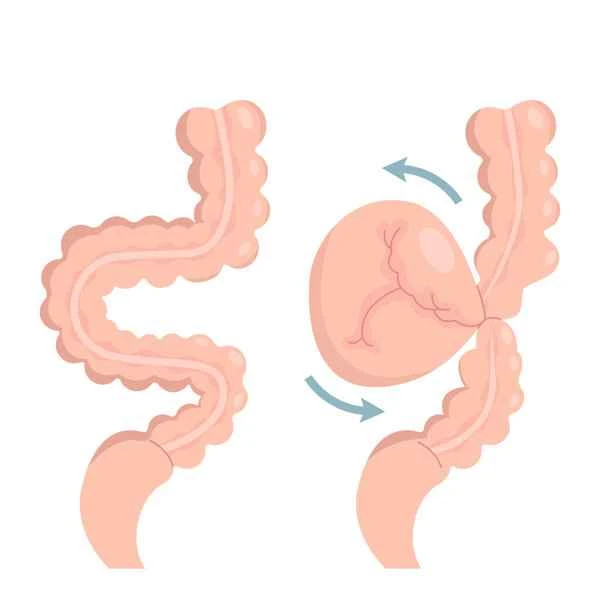
After treatment for intestinal obstruction, resuming a normal diet is a complex process that requires close attention from both the patient and their doctor. Patients may be too eager to resume eating and disregard their doctor's advice, leading to excessive strain on the intestines and potentially causing a recurrence of the obstruction. Some patients may mistakenly believe that they can immediately resume a normal diet once symptoms disappear, a misconception that can lead to relapse. During the dietary recovery process, patients should closely monitor their body's reactions and seek medical attention promptly if any discomfort occurs.
[Management Tip:]
1. Start with a liquid diet and gradually transition to a soft diet.
2. Avoid consuming greasy, high-fiber, or spicy foods.
3. Monitor your body's reactions regularly and seek medical attention promptly if you experience any discomfort.