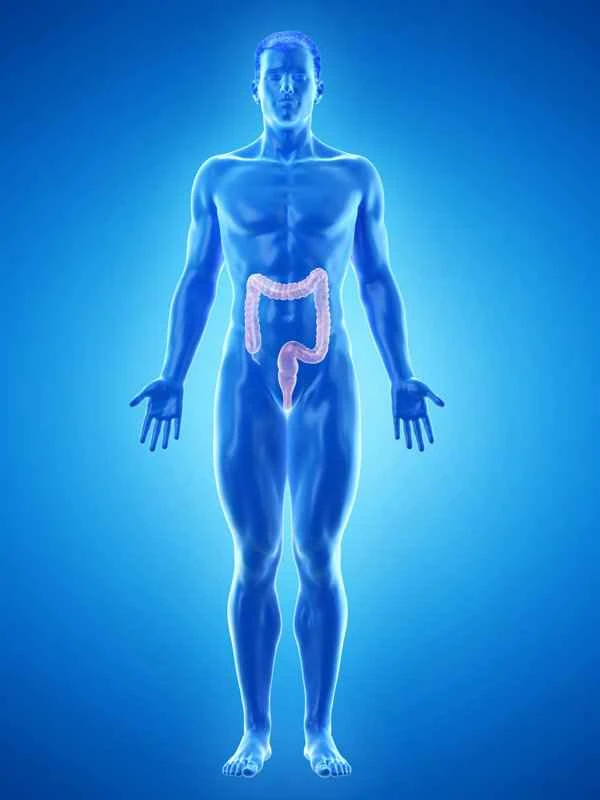
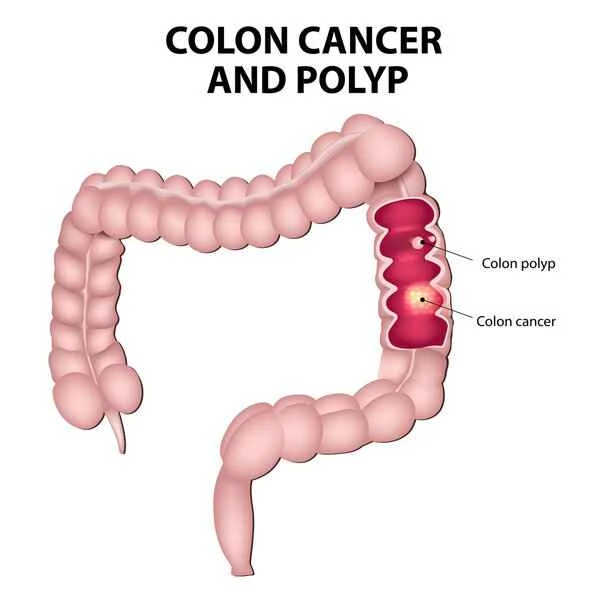
Multiple intestinal polyps, especially large polyps, typically refer to the presence of multiple polyps in the colon, with at least one polyp exceeding 1 cm in size. This condition may be related to various factors, including genetics, dietary habits, and inflammatory bowel disease. Polyps are usually painless, but larger polyps may cause symptoms such as abdominal pain, rectal bleeding, and changes in bowel habits.

If a patient experiences persistent abdominal pain, rectal bleeding, or unexplained weight loss, the risk of malignancy should be considered. These symptoms may be related to the nature of the polyp, including its size, shape, and location. For example, larger polyps are more likely to become malignant, and certain types of polyps, such as adenomatous polyps, also have a higher risk of becoming cancerous.
Key points to note: Multiple intestinal polyps, especially large ones, require serious attention, particularly if the polyps are large or pose a risk of malignancy. Patients should have regular colonoscopies for timely detection and treatment of polyps. Avoid self-diagnosis and treatment to prevent delays in diagnosis. It's important to understand that the presence of polyps does not necessarily indicate cancer, but regular checkups and early detection are crucial for prevention and treatment.
[Prevention Tips:]
1. Maintain a balanced diet, eat more vegetables and fruits, and reduce your intake of red meat and processed meat.
2. Have regular colonoscopies, especially if you have a family history of colonoscopies.
3. Maintain adequate physical activity and control your weight.
4. Quit smoking and limit alcohol consumption, and avoid long-term use of nonsteroidal anti-inflammatory drugs.