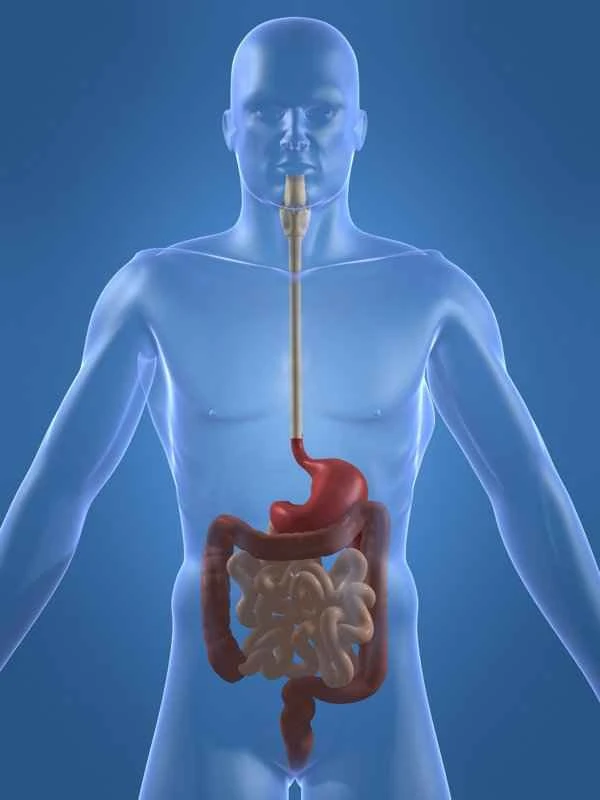
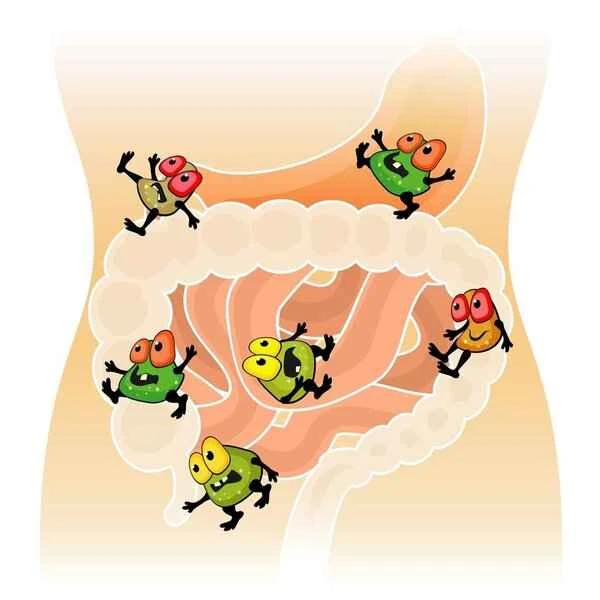
Inflammatory gastric polyps are tumors of the gastric mucosa that form due to long-term inflammatory stimulation, and whether they will turn into cancer is a common concern.
Understanding whether inflammatory gastric polyps can develop into cancer helps us better manage our health, take timely preventative measures, and reduce potential health risks. This is not only related to individual health but also to the allocation of medical resources and disease prevention strategies across society.
The formation of inflammatory gastric polyps is associated with long-term gastric inflammation, such as Helicobacter pylori infection and prolonged use of nonsteroidal anti-inflammatory drugs (NSAIDs). These factors lead to a chronic inflammatory state of the gastric mucosa, which in turn results in polyp formation. Not all inflammatory gastric polyps will transform into cancer; the likelihood of transformation is closely related to the size and shape of the polyp, as well as the individual's health condition. For example, larger polyps, polyps with dysplasia, and polyps located in specific locations have a relatively higher risk of becoming cancerous.
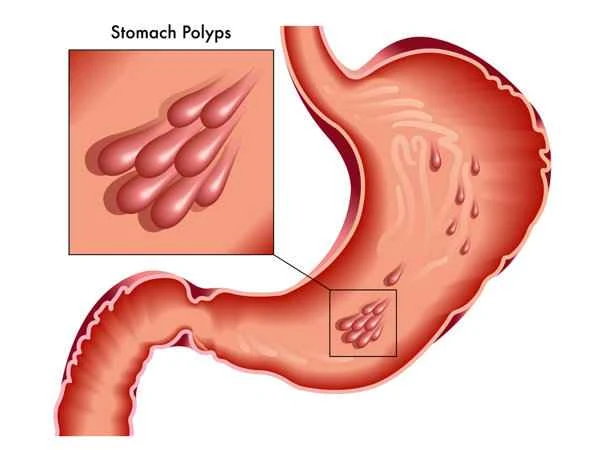
When faced with the results of tests for inflammatory gastric polyps, it's important to interpret this information objectively. High-risk polyps may require further examination or treatment, such as endoscopic removal. Each individual's situation is unique, so it's crucial to follow the advice of a professional physician before taking any action and avoid self-diagnosis or treatment. Maintaining a healthy lifestyle, such as regular meals, avoiding smoking and excessive alcohol consumption, can effectively reduce the risk of inflammatory gastric polyps becoming cancerous.
【Useful Tips】
1. Have regular gastroscopy examinations, especially for people with a history of gastritis.
2. Avoid long-term use of nonsteroidal anti-inflammatory drugs, such as aspirin.
3. Pay attention to a healthy diet and avoid excessive drinking and smoking.
4. If you experience stomach discomfort, seek medical attention promptly and follow the guidance of a professional doctor.