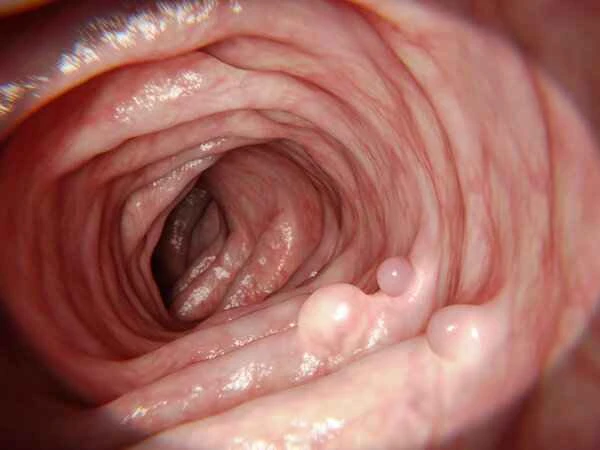
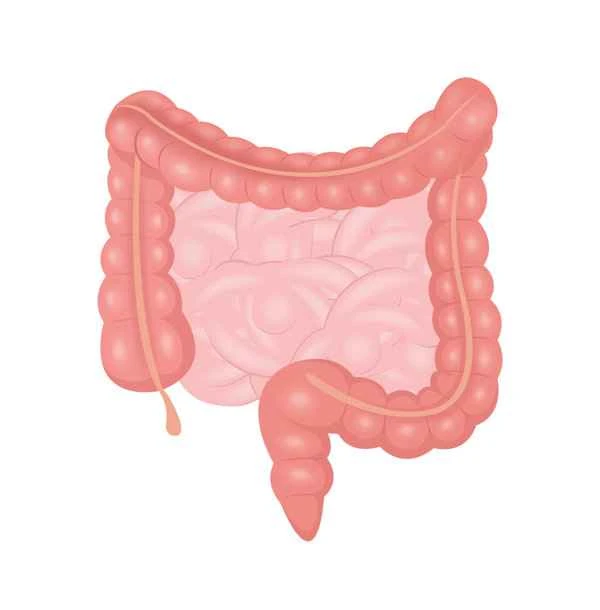
Treatment for intestinal nodules typically requires a personalized approach based on factors such as the nodule's nature, size, location, and whether it causes symptoms. When a nodule is found in the intestines, the first step is to determine its nature through endoscopy and imaging examinations, such as whether it is benign or malignant, or whether it is an inflammatory nodule. Once the nature of the nodule is determined, the doctor will develop an appropriate treatment plan based on the specific circumstances.
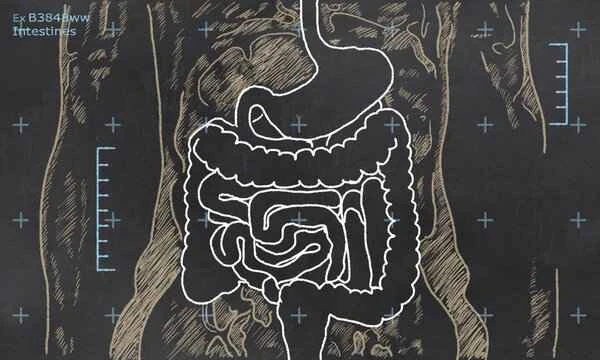
The basic principle of treating intestinal nodules is to first determine the nature of the nodule, and then take appropriate treatment measures based on that nature. For benign nodules, if the nodule is small and asymptomatic, regular follow-up observation may be sufficient; if the nodule is large or causes symptoms, treatment may require endoscopic resection, surgical resection, or other methods. For malignant nodules, i.e., intestinal tumors, treatment typically includes a combination of surgical resection, chemotherapy, and radiotherapy. During treatment, doctors will develop the most suitable treatment plan based on the tumor's stage, location, size, and the patient's overall health. It is also important to pay attention to the patient's nutritional status during treatment, ensuring a balanced diet and avoiding foods that may affect the treatment's effectiveness.
Patients may face some risks and misconceptions during the treatment of intestinal nodules. The nature of an intestinal nodule may be difficult to determine completely through non-invasive examinations, so further diagnostic procedures such as endoscopy or biopsy may be necessary before treatment. Treatment of intestinal nodules may require surgery, which inherently carries certain risks, including complications such as infection and bleeding. Patients may have misunderstandings about treatment options, such as believing that all nodules require surgical removal or that chemotherapy and radiation therapy have no side effects. During treatment, patients need to communicate fully with their doctors to understand the benefits and risks of each treatment option, as well as potential side effects, in order to make informed decisions.
[Management Tips]
1. Have regular intestinal health checkups, especially for people with a family history of intestinal diseases.
2. Maintain a healthy lifestyle, including a balanced diet, moderate exercise, and avoiding smoking and drinking alcohol.
3. If symptoms such as abdominal pain, rectal bleeding, or weight loss occur, seek medical attention promptly for a thorough examination.