The color of intestinal polyps is usually difficult to discern with the naked eye, but through colonoscopy, doctors can observe the appearance of the polyps.

Colonoscopy is an important medical procedure that helps doctors detect and assess polyps in the intestines in a timely manner, thereby preventing and detecting colorectal cancer at an early stage. The presence and nature of intestinal polyps are crucial for assessing an individual's risk of colorectal cancer; therefore, observing the color, shape, and other characteristics of polyps through colonoscopy has significant clinical importance.

In practice, doctors use colonoscopy to observe the color, size, and shape of polyps. These characteristics help determine the nature of the polyp, such as whether it is benign or potentially malignant. Typically, the color of a polyp can range from white to dark red, depending on the type and extent of the lesion. Doctors will also further determine the nature of the polyp based on its surface characteristics, such as the presence of bleeding or erosion.
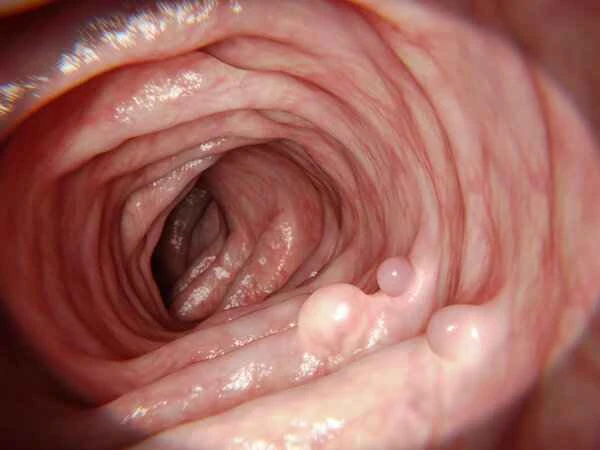
Information such as the color and shape of polyps in the examination results can help doctors determine the nature and potential risks of the polyps, and thus decide whether polyp removal is necessary and what further treatment options are available. This information should only be used as a reference; the final diagnosis and treatment plan need to be determined by considering other examination results and clinical manifestations. Patients should maintain an objective attitude when faced with examination results, avoid over-interpreting the meaning of a single indicator, and follow their doctor's professional advice for appropriate treatment.
【Useful Tips:】
1. Before a colonoscopy, you should follow your doctor's instructions to prepare your bowels to ensure the accuracy of the examination.
2. Staying relaxed during the examination will help improve the results.
3. After the examination, follow-up treatment or visits should be conducted according to the doctor's advice.
4. Information such as the color and shape of polyps in the examination results should be viewed objectively, and specific treatment plans should be followed according to the doctor's advice.