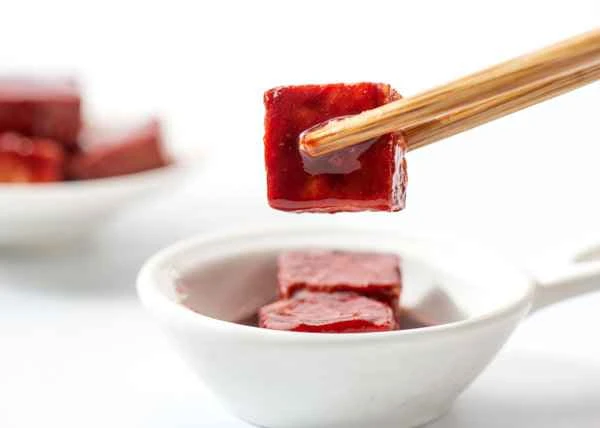
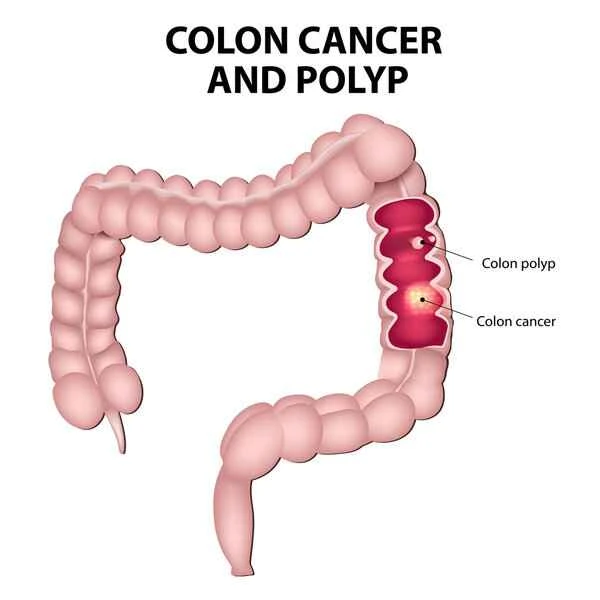
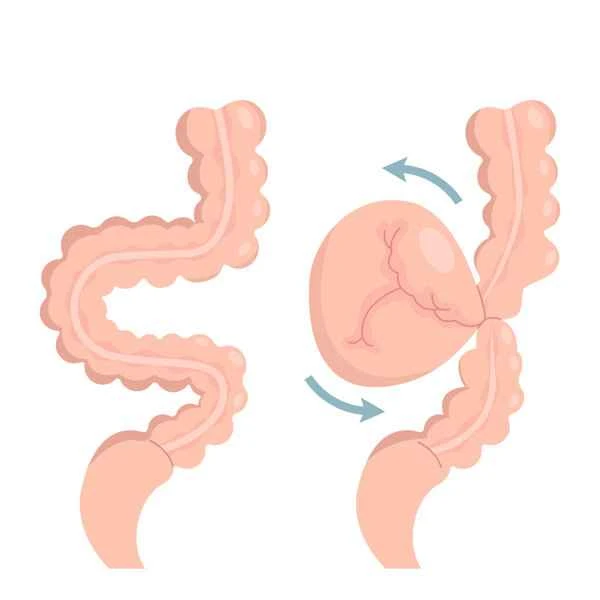
Special attention needs to be paid to the diet after intestinal polyp surgery. Whether fish maw, a traditional food, is suitable for postoperative consumption needs to be analyzed from a nutritional and medical perspective.
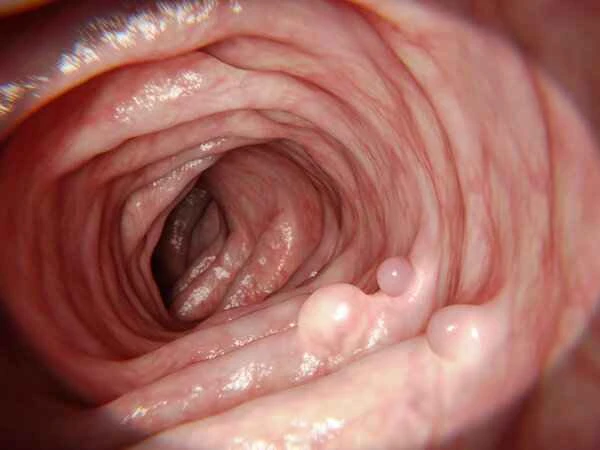
After intestinal polyp surgery, patients need to follow their doctor's advice and choose easily digestible, nutritious foods that will not irritate the intestines. Fish maw is rich in collagen, which helps with skin elasticity and wound healing, but its high protein and fat content may put a strain on the digestive system for some patients. Whether or not fish maw can be consumed after surgery depends on individual recovery and the doctor's advice.
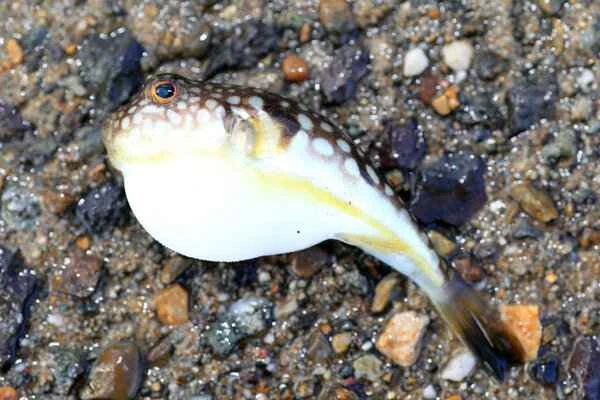
During the recovery period after intestinal polyp surgery, the diet should be light and easily digestible, avoiding overly greasy or difficult-to-digest foods. Although fish maw is nutritious, its high protein and fat content may burden the intestines, so it should be avoided in the initial postoperative period. As the body gradually recovers, fish maw can be consumed in moderation under the guidance of a doctor, but individual constitution and recovery progress should still be considered to avoid excessive intake that could lead to indigestion.

[Life Tips:]
1. In the early postoperative period after intestinal polyp surgery, high-protein and high-fat foods should be avoided.
2. During the postoperative recovery period, the diet should consist mainly of light and easily digestible foods.
3. Under the guidance of a doctor, fish maw can be consumed in moderation, but attention should still be paid to individual physical condition and recovery progress.