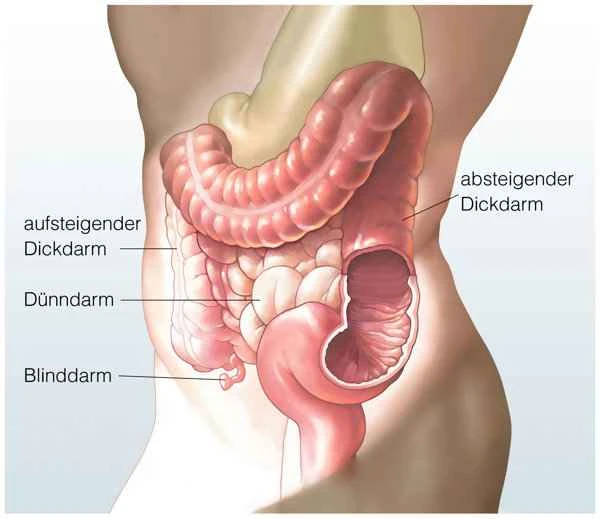
Intestinal polyps themselves do not directly cause an increase in bowel movements, but their presence may affect intestinal function, thereby indirectly leading to changes in bowel habits.
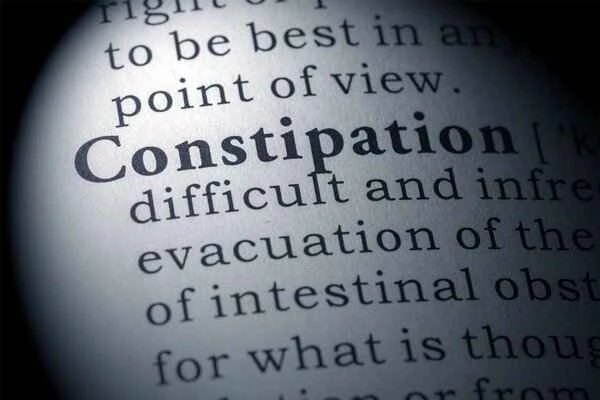
Intestinal polyps are abnormal tissues growing on the inner wall of the intestine. They are usually benign, but if left untreated, they can potentially develop into malignant tumors. The presence of intestinal polyps can alter intestinal motility, leading to increased bowel movement frequency or changes in bowel habits. If the polyps are large or numerous, they may partially obstruct the intestine, affecting the normal defecation process and thus causing increased bowel movement frequency or difficulty in defecation. The presence of polyps can also cause intestinal inflammation, further affecting bowel habits.
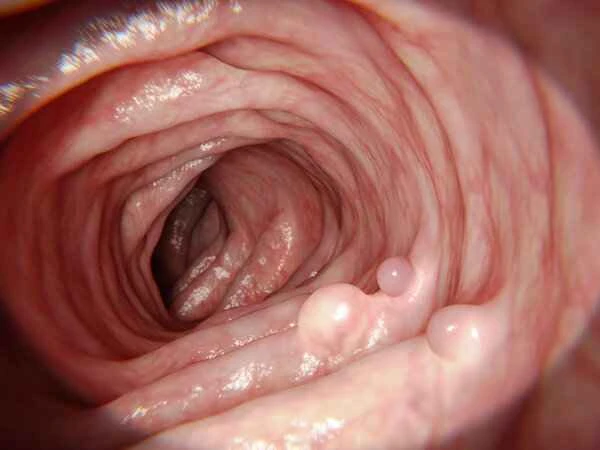
When treating intestinal polyps, doctors typically determine the treatment plan based on factors such as the size, number, location, and whether inflammation is present. If the polyps are small and few in number, regular monitoring may be sufficient; however, if the polyps are large or numerous, surgical removal methods such as endoscopic resection may be necessary. During treatment, patients need to pay attention to dietary adjustments, avoiding high-fat and high-calorie foods and consuming more fiber-rich foods such as vegetables and fruits, which help improve the intestinal environment and promote gut health.
[Management Tip:]
1. Have regular colonoscopies to detect and treat intestinal polyps in a timely manner.
2. Adjust your diet, increase your intake of dietary fiber, and reduce your intake of high-fat foods.
3. If you experience changes in bowel habits or rectal bleeding, you should seek medical attention promptly.