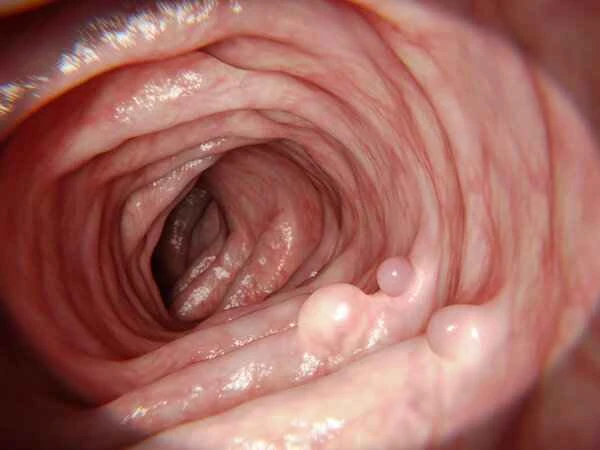
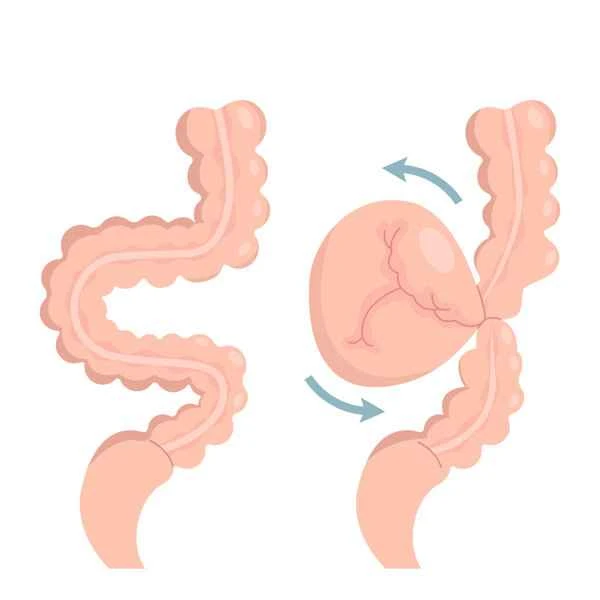
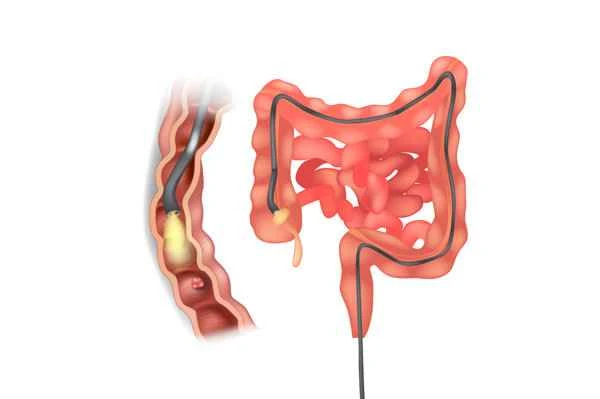
Intestinal obstruction is a disease in which the passage of intestinal contents is blocked. Its treatment requires a corresponding treatment plan based on the cause, location and severity of the obstruction.
Treatment of intestinal obstruction first requires determining the cause and location of the obstruction, which is usually determined through imaging examinations. Once the specific nature of the obstruction is determined, the doctor will choose the most appropriate treatment method based on the nature of the obstruction. For mild mechanical intestinal obstruction, symptoms may only need to be relieved through non-surgical treatments such as fasting, gastrointestinal decompression, fluid replacement, and electrolyte balance maintenance. However, for severe or persistent intestinal obstruction, surgical intervention may be necessary to relieve the obstruction and manage any potential complications. Close monitoring of the patient's vital signs and abdominal signs is also necessary during treatment to promptly detect and manage any possible complications.
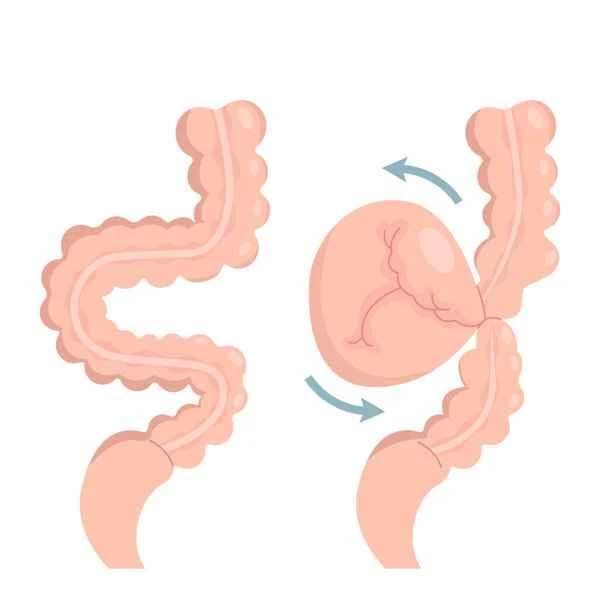
Treating intestinal obstruction is a complex process that requires consideration of multiple factors. These include the patient's overall health, the specific cause and location of the obstruction, and the presence of complications, all of which influence treatment options and prognosis. Throughout treatment, patients and their families need to maintain close communication with doctors to stay informed about changes in the patient's condition and treatment progress, enabling them to make the most appropriate decisions.

[Management Tip:]
1. Regularly monitor vital signs and abdominal signs to detect and manage any potential complications promptly.
2. Adjust your eating habits and follow your doctor's advice to fast or follow a liquid diet.
3. If symptoms such as abdominal pain, vomiting, or bloating occur, seek medical attention promptly.