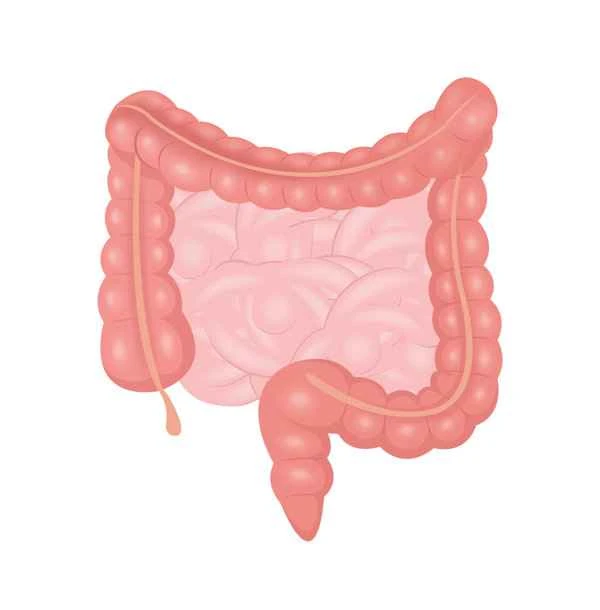
Intestinal polyps generally do not grow to a large size rapidly within two months.

Understanding the growth rate of intestinal polyps is crucial for the early detection and treatment of colorectal cancer. Intestinal polyps are abnormal tissues that grow on the inner wall of the intestine. Although most polyps are benign, they have the potential to develop into cancer, so monitoring their growth rate helps to take timely action.
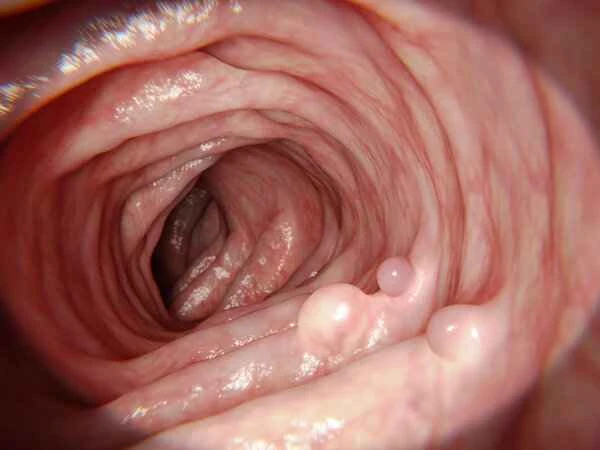
The growth rate of intestinal polyps is influenced by a variety of factors, including the type, size, and location of the polyp, as well as the individual's health condition. Typically, polyp growth is a slow process and will not significantly increase in size within two months. Some types of polyps, such as adenomatous polyps, may grow in a shorter period, but this growth is still relatively slow. Doctors will determine whether immediate removal or regular monitoring is necessary based on the polyp's size, shape, and growth rate.

When understanding the growth of intestinal polyps, it's crucial to recognize that interpreting medical examination results requires guidance from a professional physician. Size variations in examination results can be influenced by various factors, including different examination methods and measurement errors. Maintaining objectivity and composure when dealing with examination results is essential. Furthermore, following your doctor's advice for regular checkups and necessary treatment is the best strategy for managing intestinal polyps.
【Useful Tips:】
1. Have regular colonoscopies, especially if you have a history of intestinal polyps.
2. Maintain a healthy lifestyle, including a balanced diet and moderate exercise.
3. Pay attention to changes in your body. If you experience symptoms such as abdominal pain or changes in bowel habits, seek medical attention promptly.
4. Follow your doctor's advice, have regular check-ups, and promptly treat any polyps that are discovered.