cancer
How big can intestinal polyps grow in two months?
Intestinal polyps generally do not grow to a large size rapidly within two months. Understanding the growth rate of int...
Is it serious to have a tubular adenoma in the colon?
The presence of tubular adenomas in the colon indicates the presence of a polyp that may develop into cancer. Tubular a...
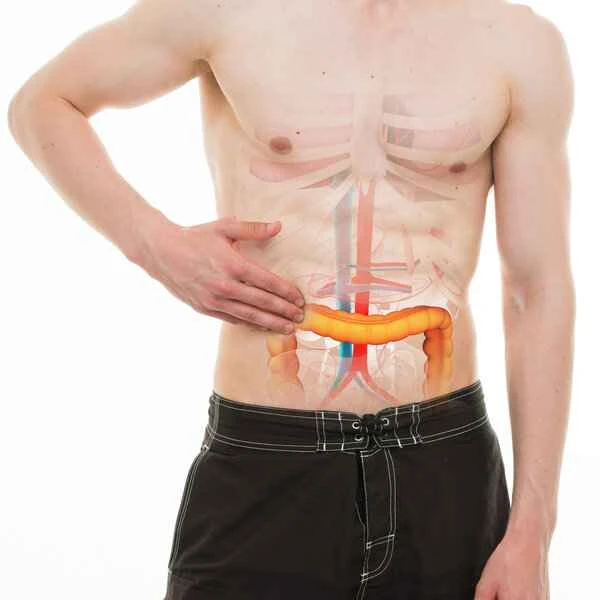
Can smooth intestinal polyps be cancerous?
Whether a smooth intestinal polyp necessarily indicates cancer requires analysis from multiple perspectives. Intestinal...

Will polyps found during colonoscopy affect the intestines?
Polyps found during colonoscopy can indeed affect the intestines. Polyps discovered during colonoscopy are abnormal tis...
Can inflammatory gastric polyps turn into cancer?
Inflammatory gastric polyps are tumors of the gastric mucosa that form due to long-term inflammatory stimulation, and w...

Multiple intestinal polyps, including large polyps
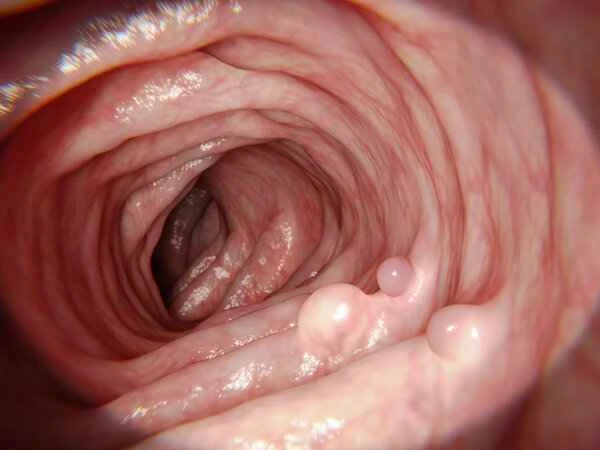
Multiple intestinal polyps, especially large polyps, typically refer to the presence of multiple polyps in the colon, w...

What intestinal polyps grow faster?
The term "fast-growing intestinal polyps" usually refers to adenomatous polyps. Understanding the different g...
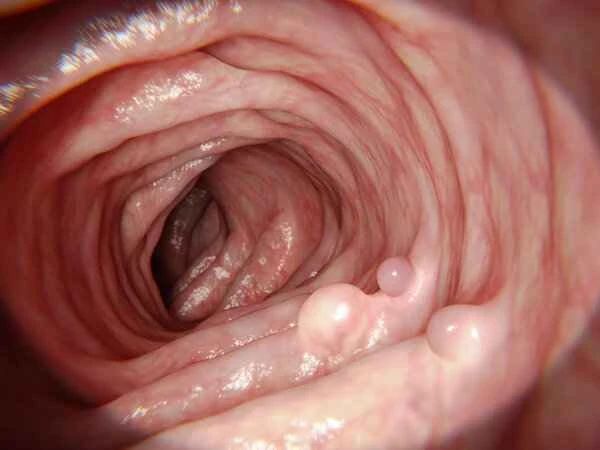
Which type of intestinal polyp has a high rate of malignant transformation?
Adenomatous polyps are a type of intestinal polyp with a higher rate of malignant transformation. Adenomatous polyps ar...
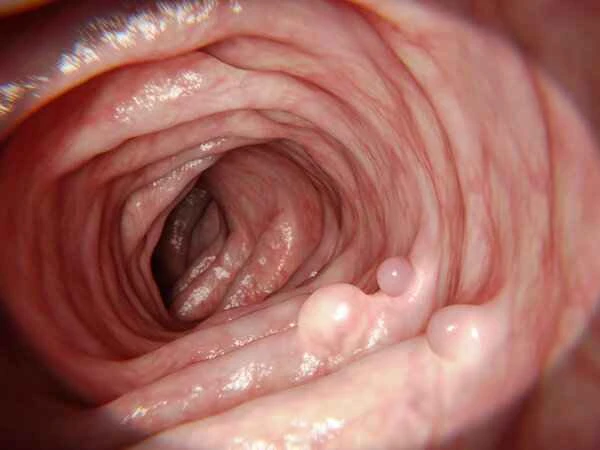
Does a one-centimeter intestinal polyp require surgery?
Whether a one-centimeter intestinal polyp requires surgery depends on the nature and location of the polyp, as well as ...
Can stomach cancer develop into esophageal cancer?
Whether stomach cancer can develop into esophageal cancer actually refers to whether stomach cancer can directly or ind...
At what size can intestinal polyps be surgically removed?
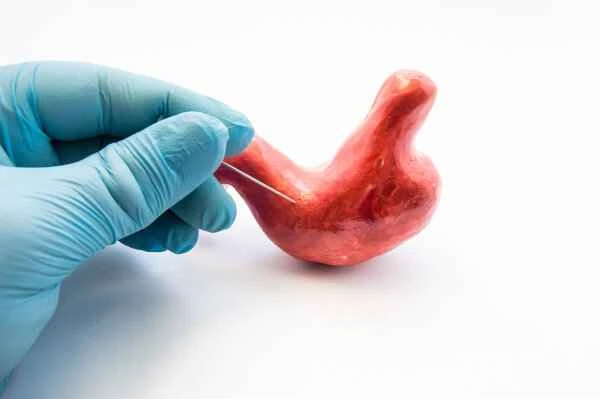
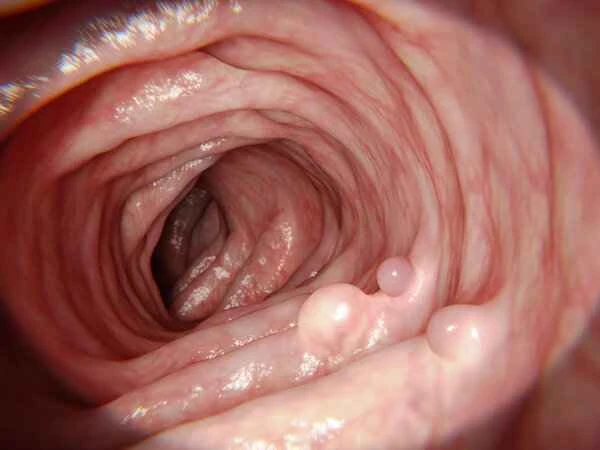
At what size can intestinal polyps be surgically removed? Simply put, when intestinal polyps reach a certain size, doct...
Can poorly differentiated gastric cancer be cured?
Poorly differentiated gastric cancer is a malignant tumor, and its treatment outcome depends on a variety of factors, i...
Can intestinal polyps grow to the anus?
Intestinal polyps do not grow directly into the anus. To understand whether intestinal polyps can grow to the anus, it&...
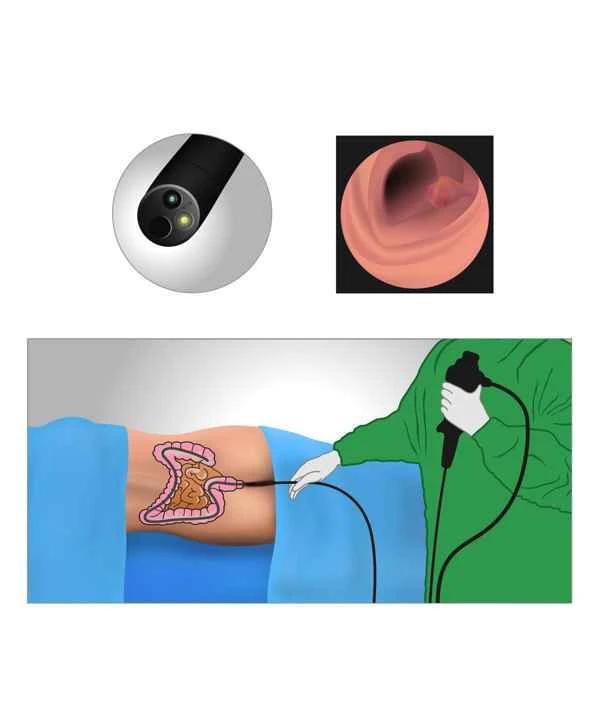
Are intestinal polyps serious?
Intestinal polyps are not necessarily serious, but their severity depends on a comprehensive assessment of their nature...

Is it okay to have intestinal polyps without medication?
Whether intestinal polyps can be treated without medication depends on the nature and size of the polyp, and whether it...