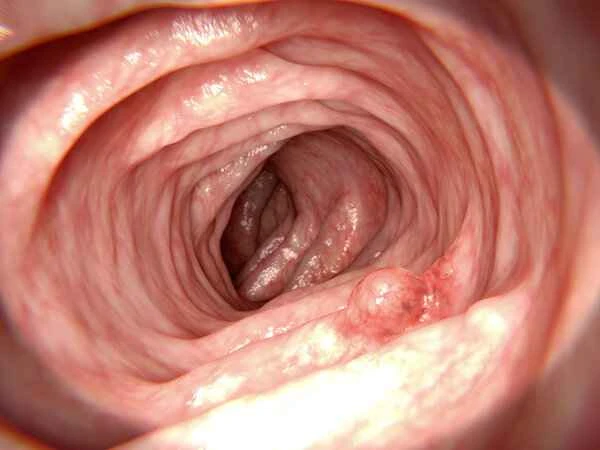
The purpose of polyp screening is to detect any polyps that may be present in the intestines, preventing them from developing into more serious problems. The importance of polyp screening lies in its ability to help detect and treat polyps early, preventing them from evolving into cancer. Timely screening can effectively reduce the risk of colorectal cancer and improve treatment outcomes.

The examination of intestinal polyps is usually performed via colonoscopy. This procedure requires patients to prepare their bowels several days in advance to ensure a clean and easily observable intestinal environment. During the examination, the doctor inserts a flexible, bendable tube with a camera attached to it into the intestine, allowing for a clear view of the inside of the bowel. If polyps are found, a biopsy will be performed, taking a small tissue sample for pathological examination to determine the nature of the polyp.
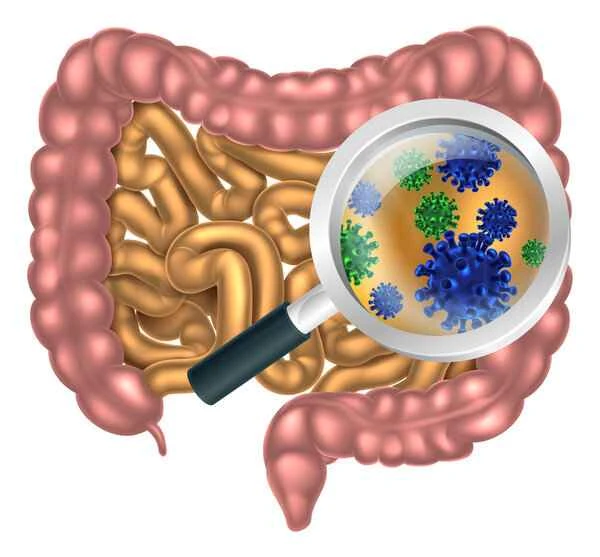
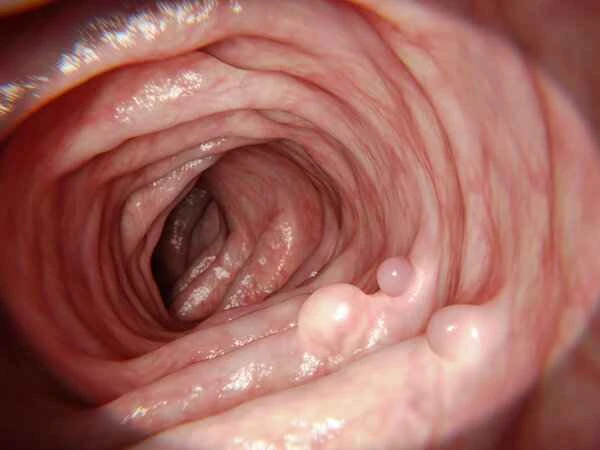
Examination results typically show the location, size, and number of polyps. If polyps are found, the doctor will recommend appropriate treatment based on the nature of the polyp and the patient's specific situation. Smaller polyps may only require regular checkups; however, larger polyps or those with potential for malignancy may require surgical removal. Patients should follow their doctor's advice and have regular checkups to ensure any potential problems are detected and addressed promptly.
【Useful Tips:】
1. Before undergoing a polyp examination, follow your doctor's instructions to prepare your bowel.
2. You may feel uncomfortable during the examination, but this is normal and usually does not cause any harm to your body.
3. After the examination, follow the doctor's advice for subsequent treatment and follow-up examinations.
4. Maintaining a healthy lifestyle, such as a balanced diet and moderate exercise, can help reduce the risk of intestinal polyps.