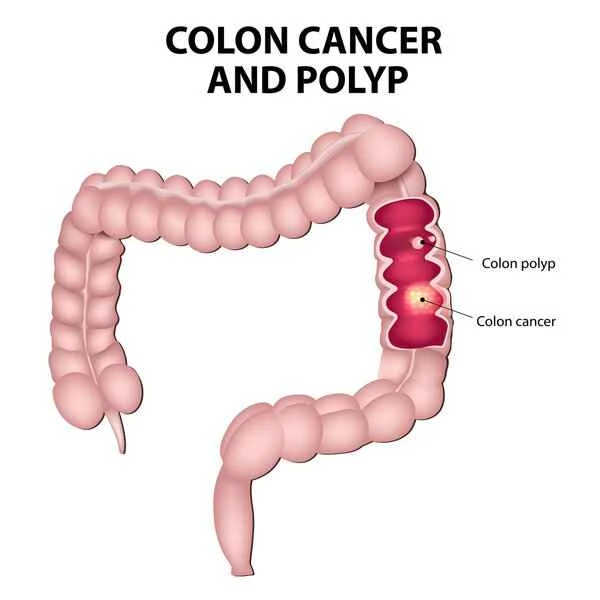
The absence of polyps during a colonoscopy does not necessarily mean that there is no colorectal cancer.

Colonoscopy is an important tool for diagnosing intestinal diseases, but its results are not absolute. The absence of polyps does not completely rule out the possibility of colorectal cancer, as it can exist in other forms, such as flat tumors or early-stage lesions.

Interpreting colonoscopy results requires consideration of other examination methods and clinical symptoms. If symptoms such as persistent abdominal pain, weight loss, or changes in bowel habits are present, further examinations should be conducted, such as blood tests, CT scans, or MRI, even if no polyps are found during the colonoscopy, to rule out the possibility of colorectal cancer.
【Useful Tips:】
1. If a colonoscopy does not reveal polyps, but you experience persistent abdominal discomfort or other symptoms, you should consult a doctor promptly.
2. Early-stage colorectal cancer may not have obvious symptoms. Regular colonoscopies are an important means of preventing and detecting colorectal cancer in its early stages.
3. Combining multiple examination methods, such as blood tests and imaging examinations, can provide a more comprehensive assessment of intestinal health.
4. Maintaining a healthy lifestyle, such as a balanced diet, moderate exercise, quitting smoking and limiting alcohol consumption, can help reduce the risk of colorectal cancer.