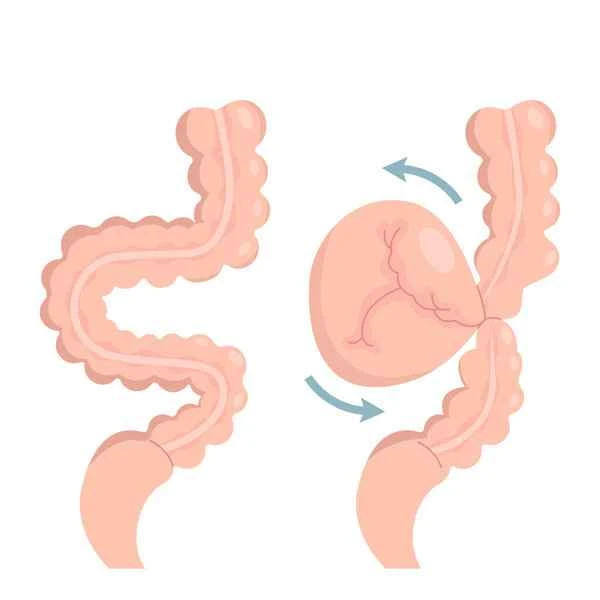
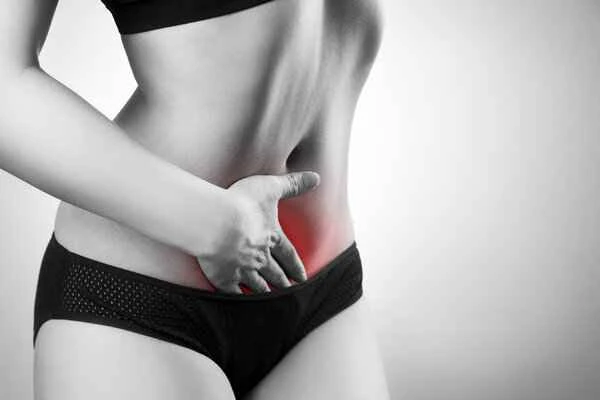
Appendicitis pain in late pregnancy refers to pain associated with inflammation of the appendix that occurs in pregnant women during the later stages of pregnancy. This pain typically occurs in the lower right abdomen and is caused by an inflammatory response due to appendicitis. In late pregnancy, the symptoms of appendicitis may be masked or become atypical due to the enlargement of the uterus, increasing the difficulty of diagnosis.
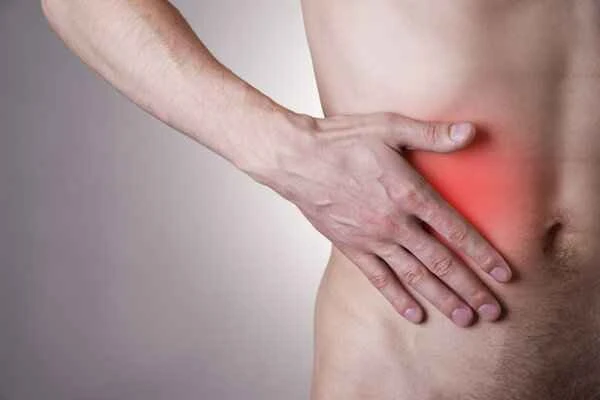
In late pregnancy, appendicitis pain may worsen after meals, as eating irritates the appendix and intensifies the pain. This pain may be mistaken for normal pregnancy discomfort, such as abdominal discomfort caused by uterine expansion. If the pain persists and is accompanied by symptoms such as fever, nausea, and vomiting, appendicitis should be considered. If appendicitis in late pregnancy is not treated promptly, it can lead to appendiceal rupture, causing serious complications and even threatening the lives of both mother and baby.
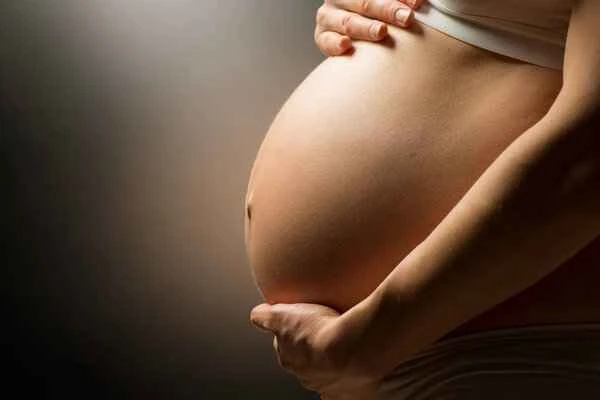
When experiencing appendicitis pain in late pregnancy, it's crucial to recognize the seriousness of the symptoms and seek medical attention promptly. Common misconceptions include mistaking appendicitis pain for normal pregnancy discomfort or believing that mild pain will subside on its own. These misconceptions can lead to delayed treatment, increasing the risk of complications. If you experience persistent right lower quadrant pain, especially if accompanied by fever, nausea, or other symptoms, seek professional medical help immediately.
[Prevention Tips]
1. Maintain good eating habits and avoid eating overly greasy or hard-to-digest foods.
2. Pay attention to personal hygiene to avoid bacterial infection.
3. Have regular prenatal checkups to detect and address potential health problems promptly.