To have a colonoscopy to check for polyps, you should go to the gastroenterology department or the colorectal surgery department.
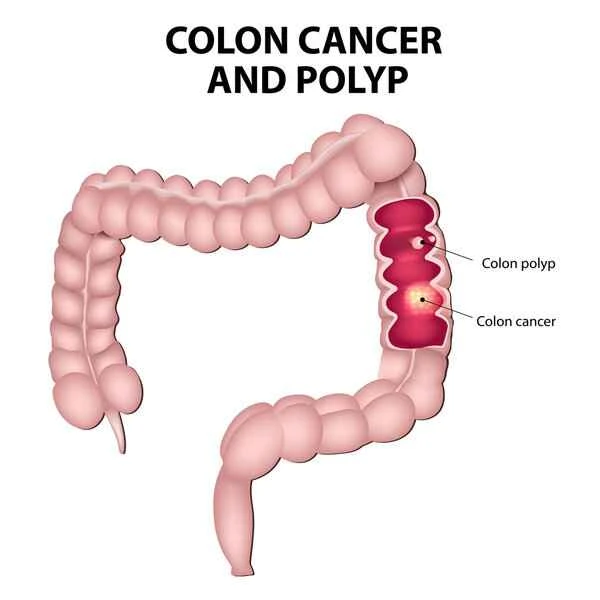
Colonoscopy for polyp examination aims to detect and treat intestinal diseases early, especially polyps, which can potentially develop into cancer. Timely detection and treatment of polyps can effectively prevent colorectal cancer, thereby protecting the patient's health and life.
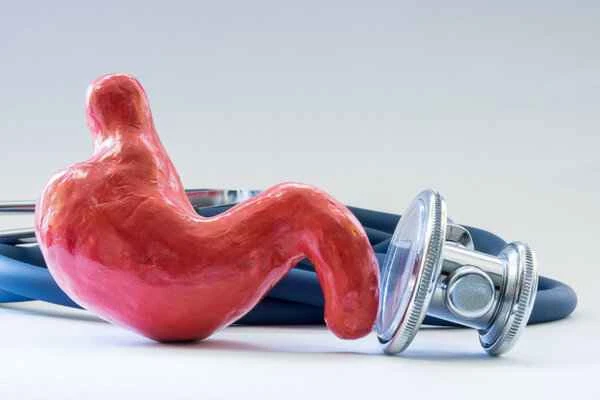
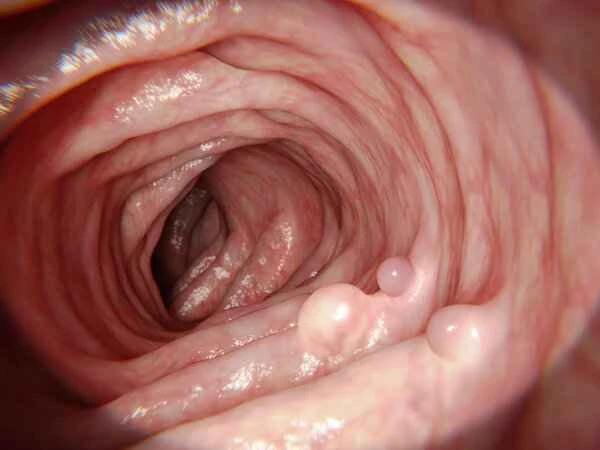
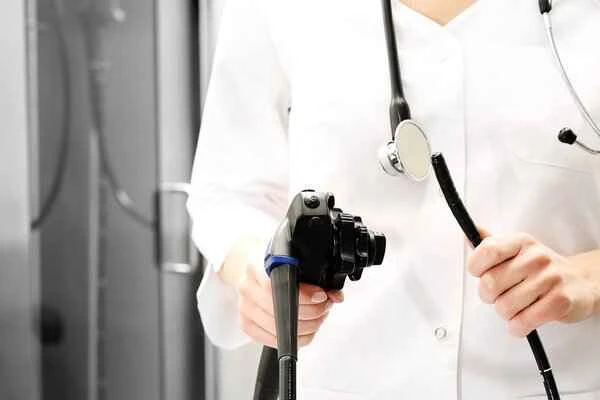
A colonoscopy is an endoscopic examination in which a doctor inserts a flexible optical tube through the anus into the intestines to directly observe the inside of the intestines. When polyps are found, doctors usually remove them during the same examination using specialized instruments. This examination not only helps doctors accurately determine the nature of the polyps but also allows for further clarification through pathological analysis to determine whether they have a potential risk of malignant transformation.
Examination results are typically assessed based on the size and number of polyps, as well as pathological analysis, to determine their nature and risk. Patients need to view these results objectively, avoiding excessive anxiety or ignoring the problem. Simultaneously, a follow-up treatment plan should be developed under the guidance of a doctor, with regular follow-up examinations to monitor changes in the polyps. It's important to note that while colonoscopy is a very effective diagnostic tool, it also has limitations. For example, the procedure may cause discomfort, and not all polyps can be detected in a single examination.
【Useful Tips:】
1. If you have symptoms of intestinal discomfort or a family history of colorectal cancer, you should seek medical attention promptly and consult whether you need to have a colonoscopy.
2. Before undergoing a colonoscopy, you should prepare your bowels as instructed by your doctor to ensure the accuracy of the examination.
3. After the examination, you should follow your doctor's advice for necessary treatment or regular follow-up examinations to monitor changes in the polyps.
4. Maintaining good lifestyle habits, such as a balanced diet and moderate exercise, helps prevent intestinal diseases.