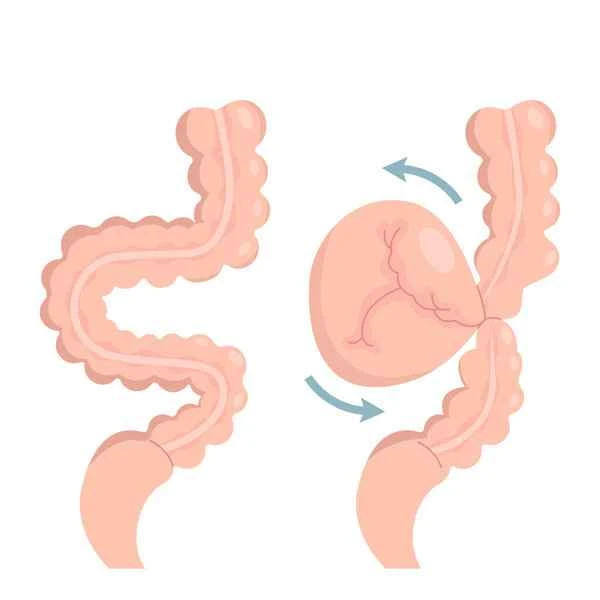
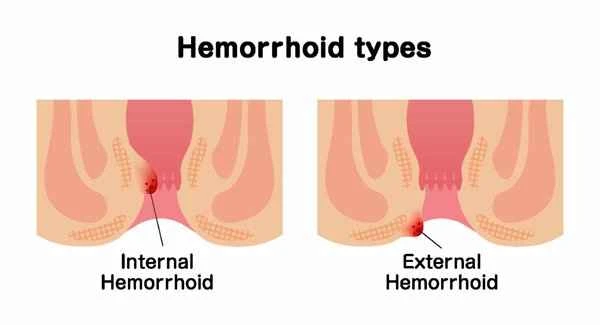
Endoscopic resection of colon polyps (EMR) refers to the medical procedure of removing colon polyps endoscopically.
The importance of EMR (Extracorporeal Membrane Removal) for colon polyps lies in its ability to effectively prevent the development of colon cancer. Colon polyps are abnormal tissues growing on the colonic mucosa, and some polyps have the potential to become cancerous. Through EMR technology, doctors can remove polyps before they develop into cancer, thereby reducing the risk of colon cancer.
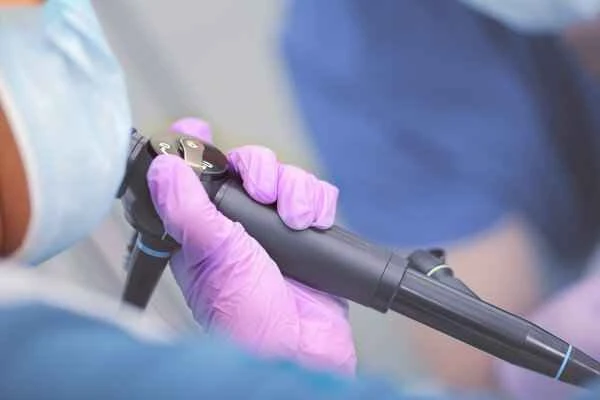
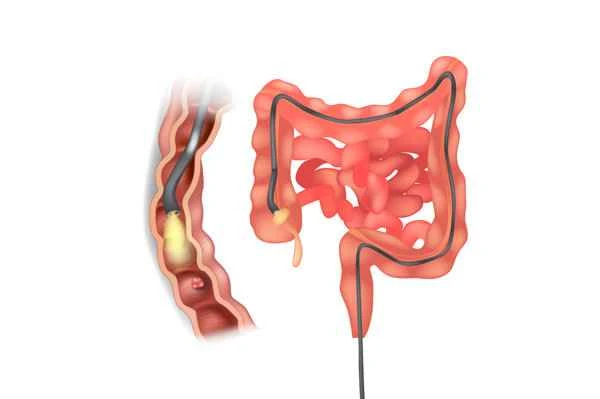
EMR (Extracorporeal Removal) is typically performed after polyps are discovered during an endoscopic examination. The doctor uses an endoscope to perform a detailed examination of the colon, determining the location, size, and shape of the polyp. Then, the doctor uses specialized tools to remove the polyp through the endoscope. During the removal process, the doctor takes special care to ensure the polyp is completely removed while minimizing damage to normal colon tissue. The removed polyp is sent for pathological examination to determine its nature and whether there is a risk of it becoming cancerous.
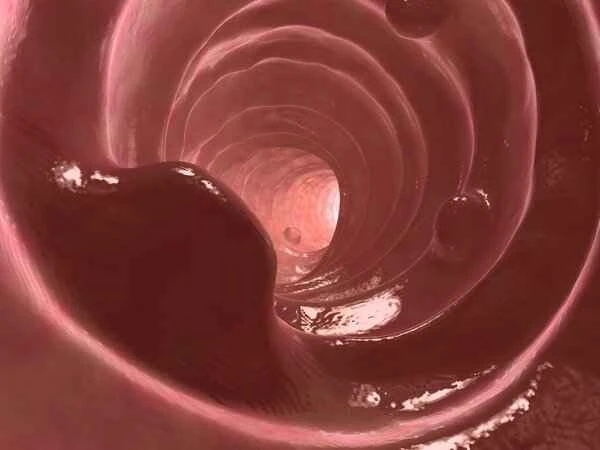
Interpreting examination results usually requires consulting a pathology report to determine the nature of the polyp. If the polyp is diagnosed as benign and poses no risk of becoming cancerous, the patient typically does not require further treatment after removal. However, if the polyp is diagnosed as having a potential risk of becoming cancerous, the patient may need regular follow-up examinations to ensure that the polyp has not recurred. It is important to note that while EMR is an effective preventative measure, it does not guarantee the complete elimination of the risk of colorectal cancer. After undergoing EMR treatment, patients still need to maintain a healthy lifestyle and have regular colonoscopies.
【Useful Tips】
1. Have regular colonoscopies, especially if you have a family history of colonoscopies.
2. Maintain a healthy lifestyle, including a balanced diet and moderate exercise.
3. If symptoms such as abdominal pain or rectal bleeding occur, seek medical attention promptly.
4. Follow your doctor's advice and have follow-up examinations on time after the operation.