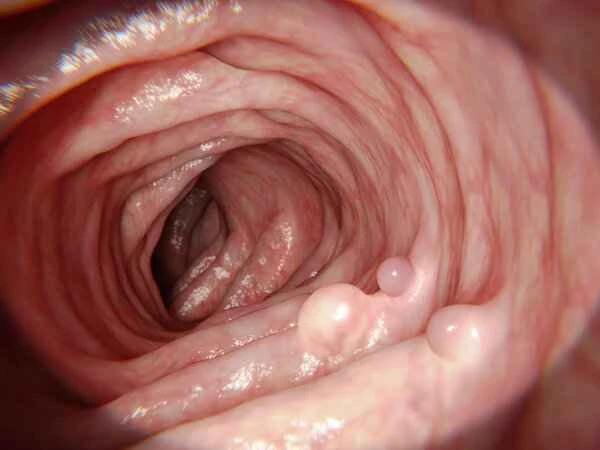
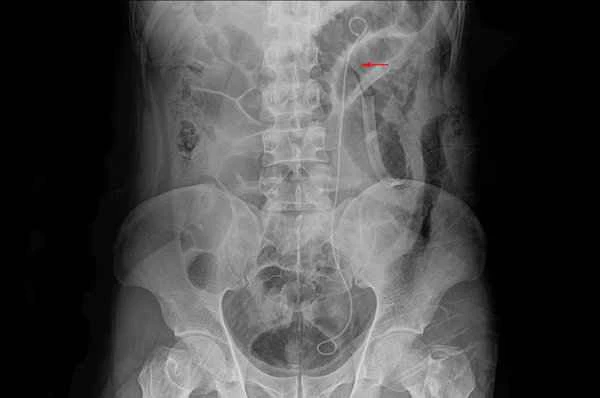
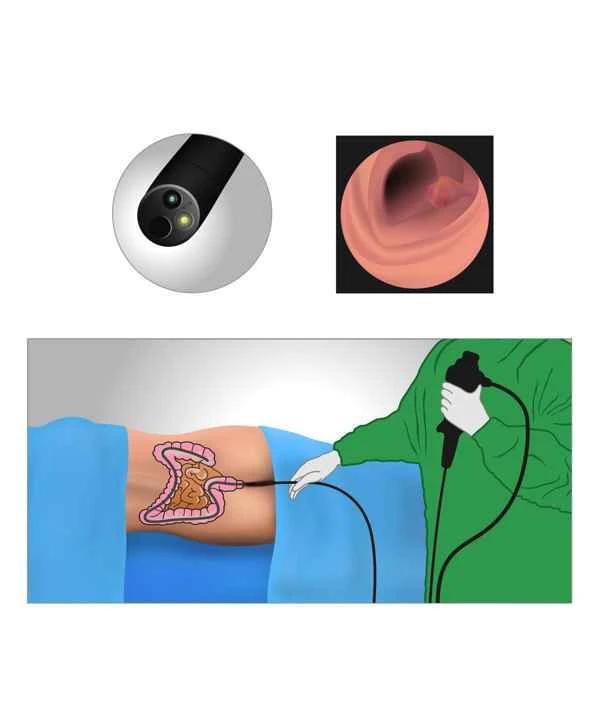
Intestinal adhesions, also known as peritoneal adhesions, are a common postoperative complication after a cesarean section that can cause a range of uncomfortable symptoms. These symptoms usually appear within days to weeks after surgery, but may also appear longer.
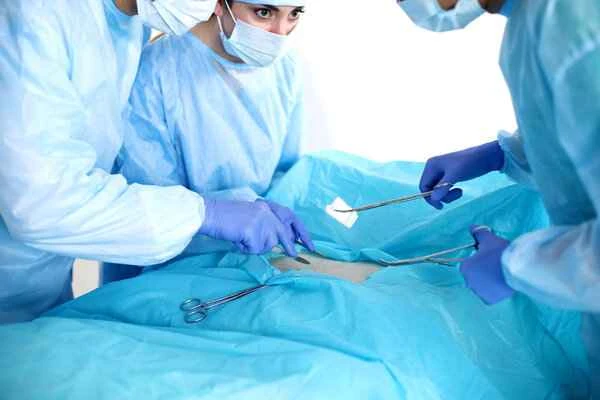
Symptoms of intestinal adhesions may include abdominal discomfort or pain, which may worsen after meals as food passes through the adhered intestines. Patients may experience bloating or a feeling of fullness in the abdomen, which can affect the normal digestive process. In some cases, adhesions may cause partial intestinal obstruction, leading to symptoms such as nausea, vomiting, increased abdominal pain, and difficulty defecating. The appearance and severity of these symptoms vary from person to person, depending on the extent and location of the adhesions.
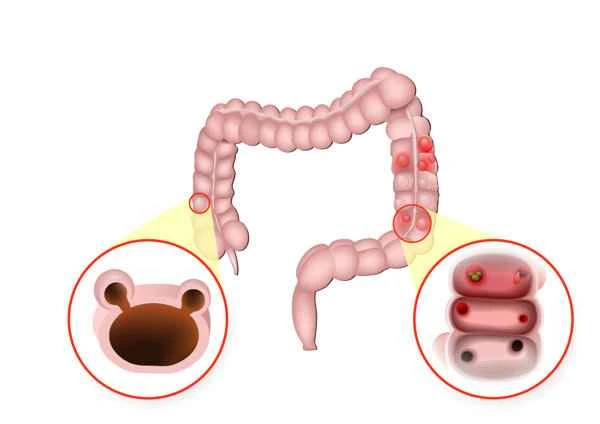
In addition to the symptoms mentioned above, there are some key points to note. If a patient experiences severe abdominal pain, persistent vomiting, or inability to defecate or pass gas, these could be signs of serious complications such as complete intestinal obstruction, requiring immediate medical attention. Self-diagnosis carries risks, as some symptoms may be related to other health problems. It is crucial to consult a professional physician for evaluation and treatment promptly if any discomfort arises.
[Prevention Tips]
1. Follow your doctor's advice after surgery and perform appropriate recovery exercises to promote the recovery of bowel function.
2. Pay attention to your diet and avoid foods that may cause bloating, such as beans and onions.
3. Maintain good lifestyle habits, avoid prolonged bed rest, and engage in appropriate activities to help reduce the risk of adhesions.
4. Have regular physical checkups to detect and address any potential health problems promptly.