Intestinal obstruction is a condition where the passage of intestinal contents is blocked. For a 70-day-old baby, intestinal obstruction is a serious medical condition. In infants, intestinal obstruction may be caused by congenital intestinal malformations, intestinal volvulus, intestinal adhesions, etc. If this condition is not treated in time, it may lead to serious complications and even endanger life.

The severity of intestinal obstruction depends on its cause, location, duration, and the presence of complications. If the obstruction is caused by a congenital intestinal malformation, treatment may require surgical intervention to relieve the obstruction and restore normal intestinal function. Intestinal obstruction can lead to impaired blood circulation in the intestines, further causing serious complications such as intestinal ischemia and necrosis. Timely diagnosis and treatment are crucial to avoiding these serious consequences.
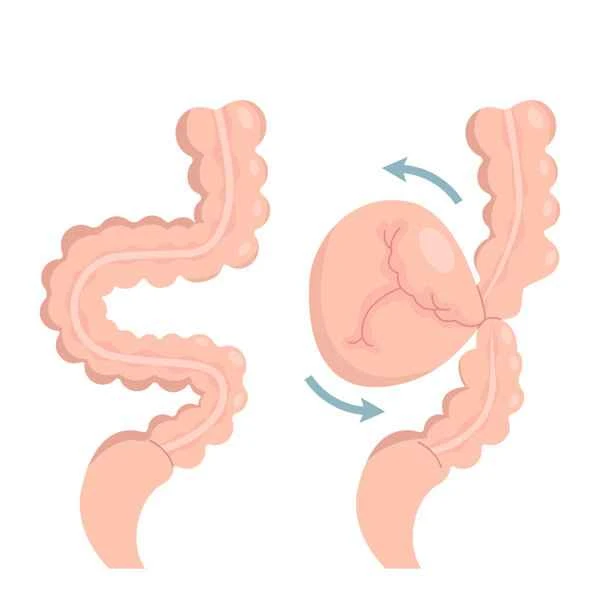
Parents may encounter some misconceptions when dealing with infant intestinal obstruction, such as believing that mild abdominal distension is normal or that it is acceptable to wait for the symptoms to subside on their own. These misconceptions may lead to delayed treatment, thereby increasing the risk of complications. If an infant exhibits symptoms such as vomiting, abdominal distension, abdominal pain, or cessation of bowel movements, immediate medical attention should be sought for timely diagnosis and treatment.
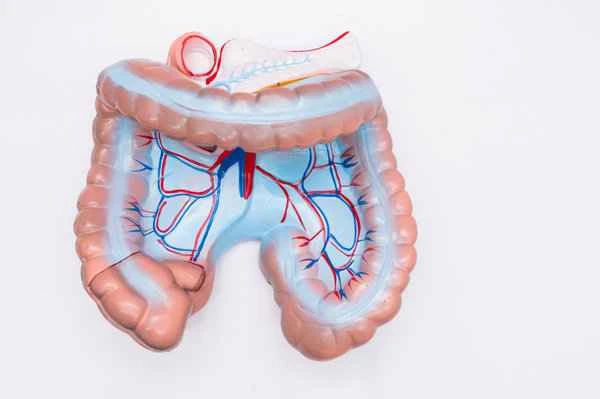
[Management Tip:]
1. Closely observe the baby's bowel movements, and seek medical attention immediately if any abnormalities are found.
2. Pay attention to the baby's diet and avoid foods that may cause intestinal discomfort.
3. Take your baby for regular check-ups to detect and address any potential health problems promptly.