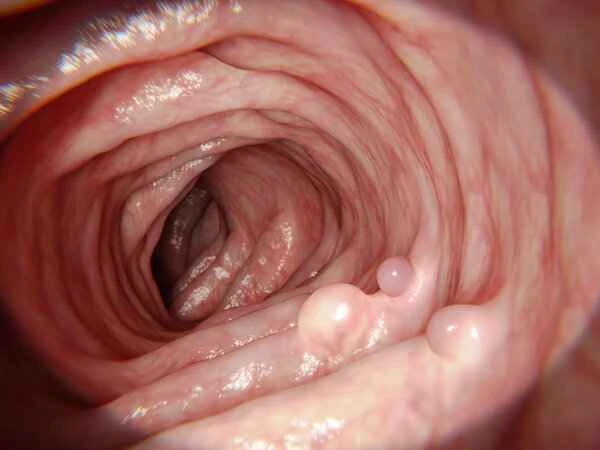
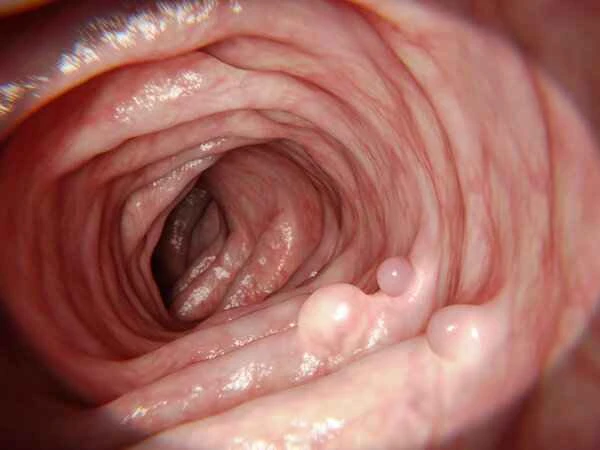
The timing of surgery for adenomatous intestinal polyps depends primarily on the size and shape of the polyp, as well as the risk of malignancy. Adenomatous intestinal polyps are a common benign tumor of the intestine, but they carry a potential risk of malignancy; therefore, the need for surgical intervention must be determined on a case-by-case basis.

Surgical decisions regarding adenomatous intestinal polyps are not solely based on size, but rather consider a comprehensive assessment of factors such as morphology, location, and potential for malignancy. Generally, if a polyp exceeds 2 cm in diameter, or if it is less than 2 cm but irregular in shape, exhibits atypical hyperplasia, or presents with bleeding or obstructive symptoms, surgical removal may be recommended. This is because larger or irregularly shaped polyps are more prone to malignancy, and surgical removal effectively reduces this risk. Even small polyps with a risk of malignancy may require surgical intervention. The purpose of surgery is to prevent the polyp from becoming cancerous and to avoid complications such as bleeding and obstruction caused by the polyp.

When considering surgical treatment, it's crucial to fully understand the inherent risks and complications of surgery, such as infection, bleeding, and intestinal perforation. Furthermore, surgical decisions regarding adenomatous intestinal polyps are not static and must be made based on the patient's specific condition and the physician's professional judgment. Some patients may believe that all intestinal polyps require surgical removal, which is incorrect. In fact, some smaller, regularly shaped polyps without malignant potential can be treated using non-surgical methods such as endoscopic resection. Patients with adenomatous intestinal polyps should avoid blindly pursuing surgical treatment and instead choose the most appropriate treatment plan under the guidance of a physician, based on the specific characteristics of the polyp.
[Management Tip:]
1. Have regular colonoscopies to detect and treat adenomatous intestinal polyps early.
2. Adjust your diet by reducing your intake of high-fat and high-protein foods and increasing your intake of dietary fiber.
3. If symptoms such as abdominal pain or rectal bleeding occur, seek medical attention promptly for examination.