The choice of traditional Chinese medicine (TCM) to take after polyp removal depends on individual constitution and postoperative recovery. It involves selecting TCM that promotes intestinal health and prevents polyp recurrence.
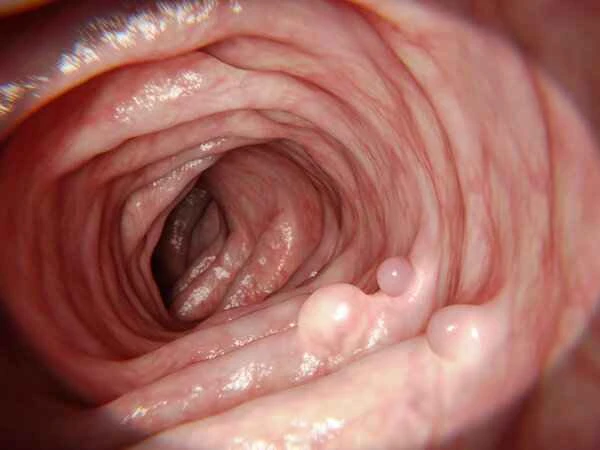
The main purpose of traditional Chinese medicine (TCM) treatment after polyp removal is to promote intestinal recovery, enhance the body's immunity, and prevent polyp recurrence. The mechanism of action of TCM lies in adjusting the body's internal environment to enhance its self-repair capabilities. When selecting TCM, doctors will choose herbs with effects such as clearing heat and detoxifying, reducing inflammation and relieving pain, and promoting blood circulation and removing blood stasis, based on the patient's specific constitution and condition. These herbs include Coptis chinensis, Scutellaria baicalensis, and Atractylodes macrocephala. These herbs can help alleviate postoperative discomfort, promote wound healing, regulate intestinal function, and prevent polyp recurrence.
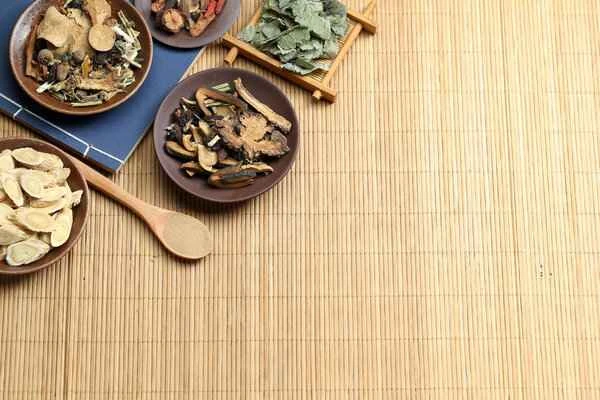
During the recovery process after polyp removal treated with traditional Chinese medicine, patients need to understand that while Chinese medicine can assist in treatment, its effects are gradual and require time to become apparent. Furthermore, the use of Chinese medicine should only be under the guidance of a doctor; patients should not purchase or take it on their own to avoid side effects caused by improper medication, which could affect the recovery outcome. Patients also need to pay attention to adjusting their diet and lifestyle, avoiding spicy, greasy, and other irritating foods, and maintaining a regular sleep schedule to promote full recovery.
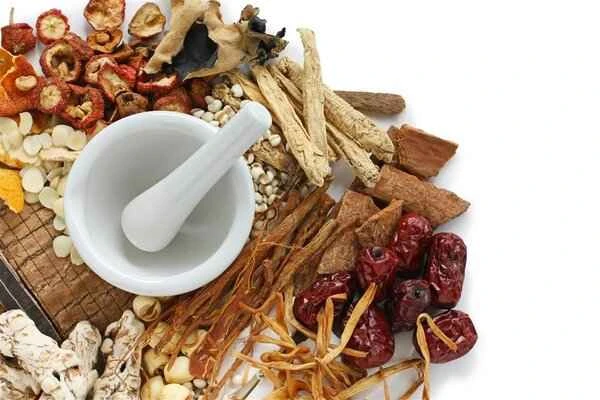
[Management Tip:]
1. Have regular checkups of your bowel movements to monitor for signs of polyp recurrence.
2. Take Chinese medicine as prescribed by your doctor and avoid purchasing and using it on your own.
3. Adjust your diet and avoid eating spicy or irritating foods.
4. Maintain good lifestyle habits and avoid overwork.