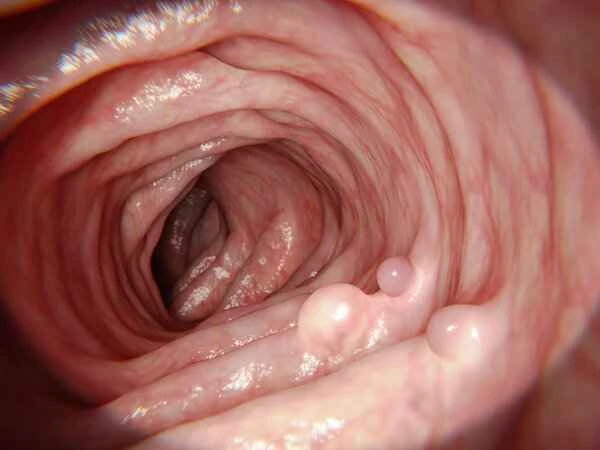
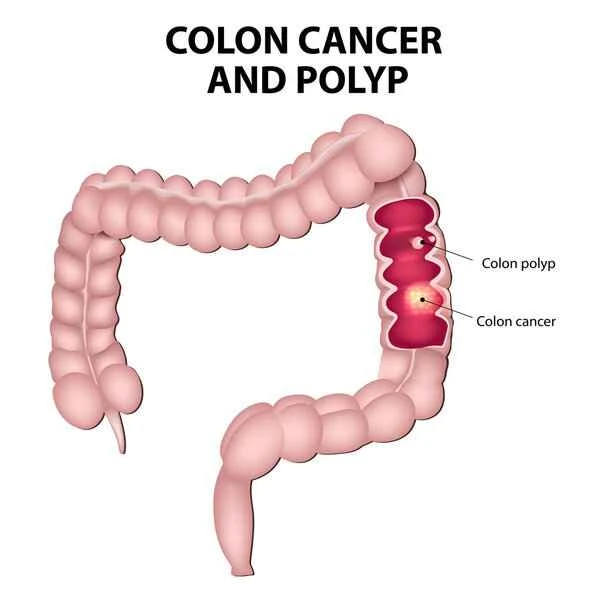
The size of a colonic polyp does not directly determine whether it is malignant, but generally speaking, larger polyps are more likely to be malignant.
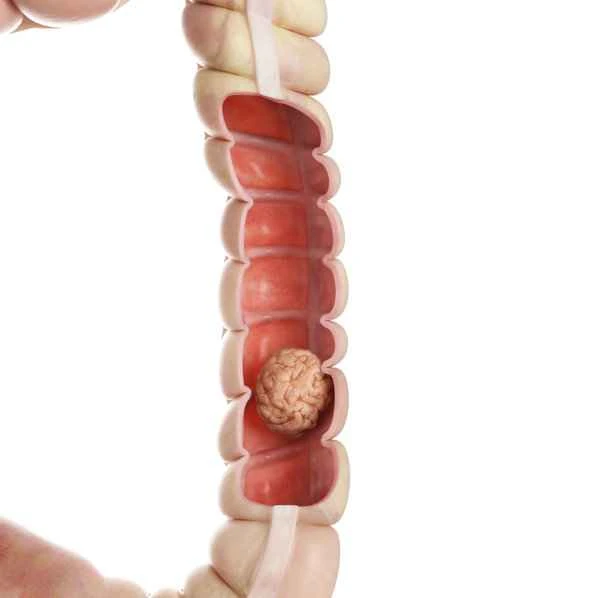
Understanding the nature of intestinal polyps is crucial for the early detection and treatment of colorectal cancer. Regular checkups allow for the timely detection and management of potential malignant changes, thereby improving cure rates and survival rates.
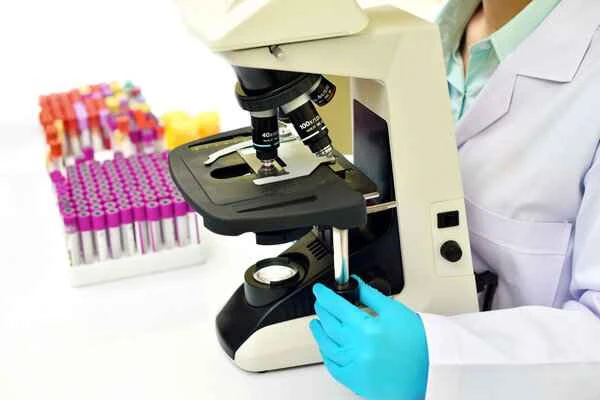
Determining the nature of intestinal polyps depends not only on their size but also on their morphology, structure, and cytological characteristics. Doctors obtain polyp samples through endoscopy, which are then analyzed pathologically in a laboratory to determine whether the polyps are benign or malignant. This process requires specialized medical equipment and technical support to ensure diagnostic accuracy.
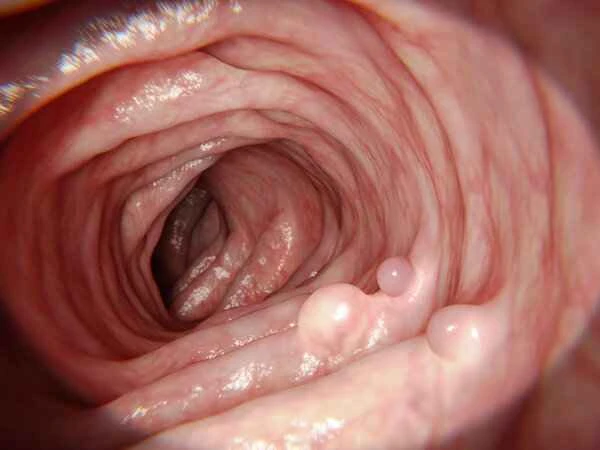
The interpretation of examination results should be performed by a professional physician; patients should not attempt to determine the nature of polyps solely based on their size. When faced with examination results, remain calm and follow your doctor's advice for necessary treatment or further examination. At the same time, pay close attention to changes in your physical condition and communicate with your doctor promptly to avoid misunderstandings or panic caused by information asymmetry.
【Useful Tips:】
1. Have regular colonoscopies, especially if you have a family history of the disease.
2. Pay attention to a healthy diet and reduce the intake of high-fat and high-protein foods.
3. Maintain regular lifestyle habits and avoid overwork.
4. If you experience symptoms such as abdominal discomfort or rectal bleeding, you should seek medical attention promptly.