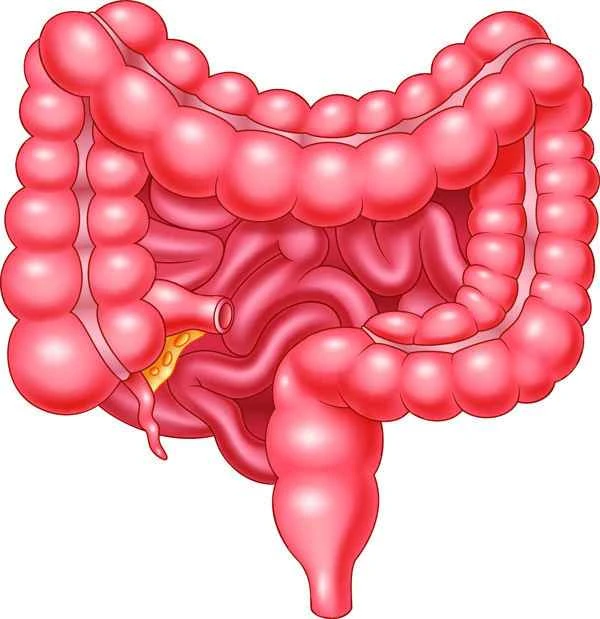
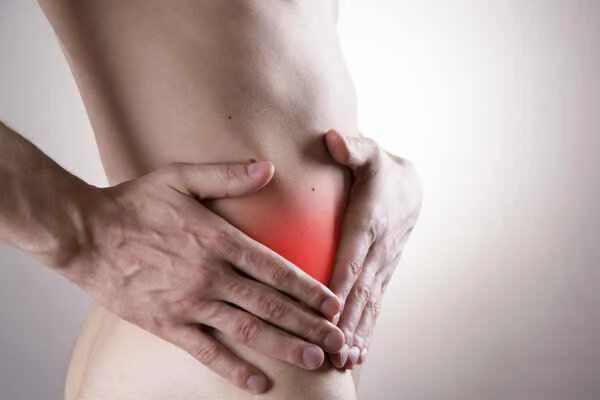
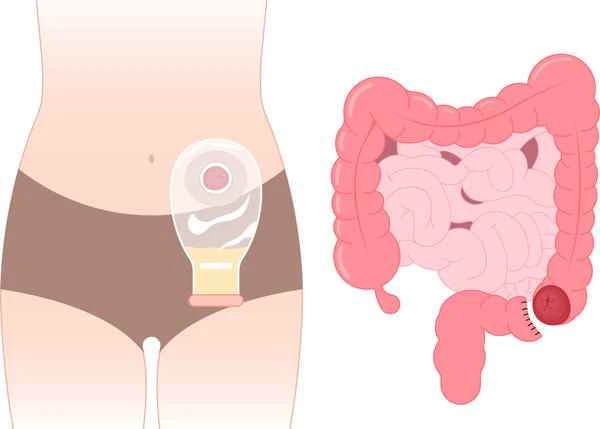
For abdominal adhesions, you should see a general surgeon or a gastrointestinal surgeon.
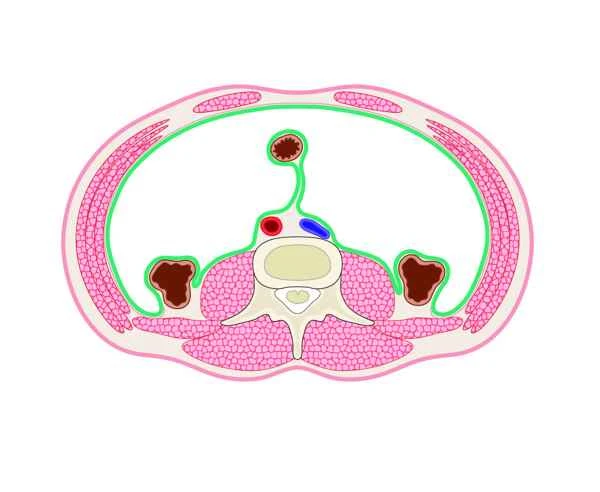
Abdominal adhesions refer to the adhesion of abdominal organs to the peritoneum due to surgery, inflammation, or other reasons. This condition can cause symptoms such as abdominal pain and indigestion, and may even affect quality of life. Seeking medical attention promptly is essential to prevent the symptoms from worsening.

The diagnosis of abdominal adhesions typically involves a medical history, physical examination, and imaging studies. Doctors will determine the extent and degree of adhesions using methods such as abdominal CT, MRI, or laparoscopy, depending on the patient's specific condition. Understanding the principles and practical details of these examination methods helps patients better cooperate with the doctor's diagnostic process.
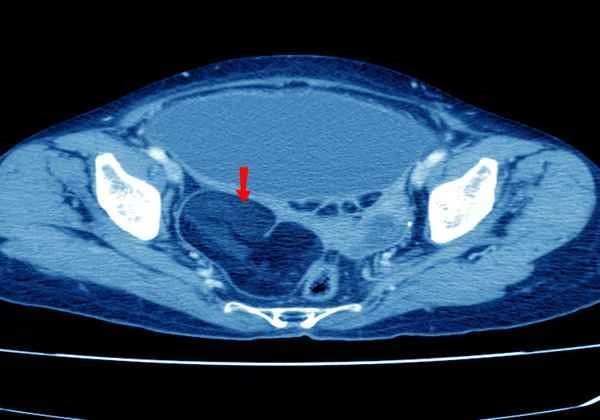
After receiving a diagnosis of abdominal adhesions, patients should view the results objectively and follow their doctor's advice for appropriate treatment. For example, mild adhesions may only require medication and lifestyle adjustments, while severe adhesions may require surgery. During treatment, patients need to closely monitor changes in their symptoms and communicate with their doctor promptly to avoid self-diagnosis and treatment, which could delay proper diagnosis and treatment.
【Useful Tips:】
1. If you have symptoms such as abdominal pain or indigestion, it is recommended to seek medical attention promptly, especially if you have a history of abdominal surgery.
2. When seeking medical treatment, proactively inform the doctor of your symptoms and medical history so that the doctor can make an accurate diagnosis.
3. Follow your doctor's advice for treatment and have regular check-ups so that the treatment plan can be adjusted in a timely manner.
4. Maintaining good lifestyle habits and avoiding overwork and mental stress can help prevent the occurrence of abdominal adhesions.